
Last updated November 17, 2026
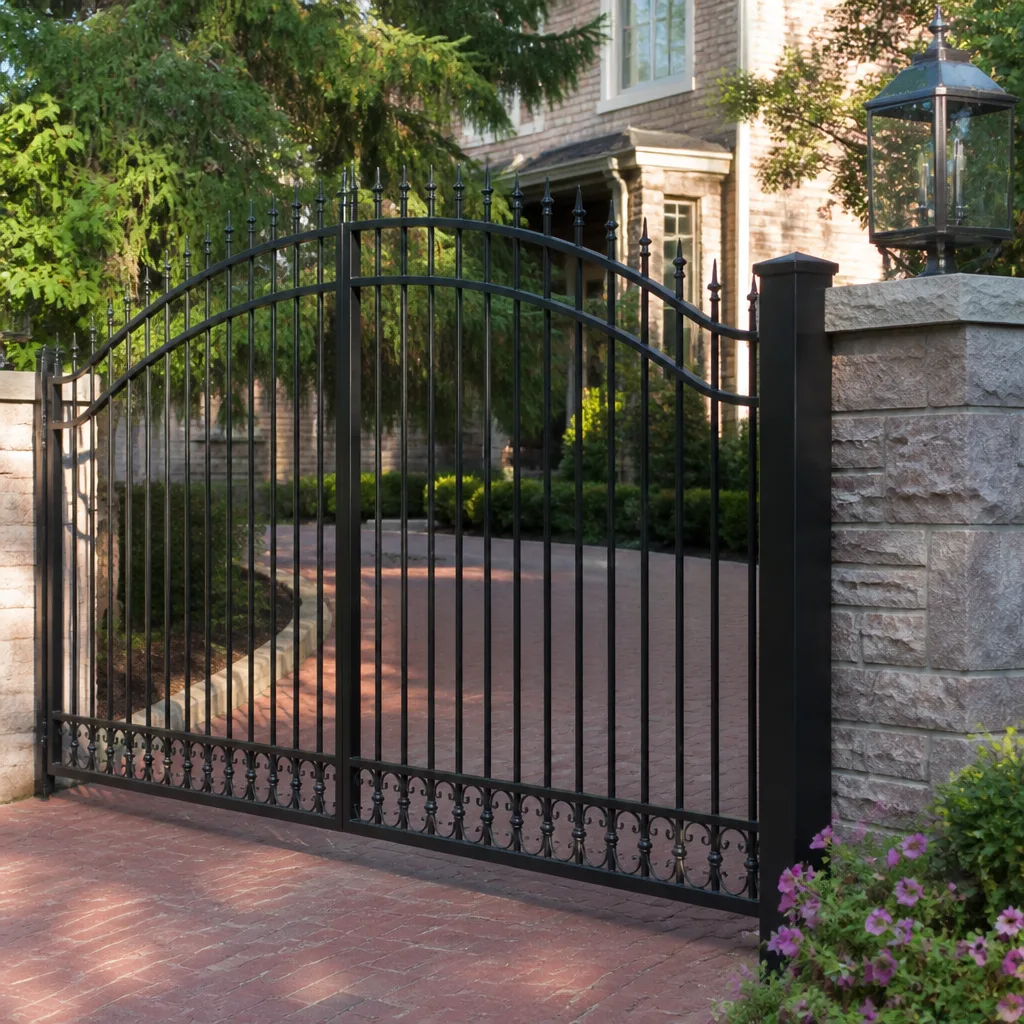 Wrought iron
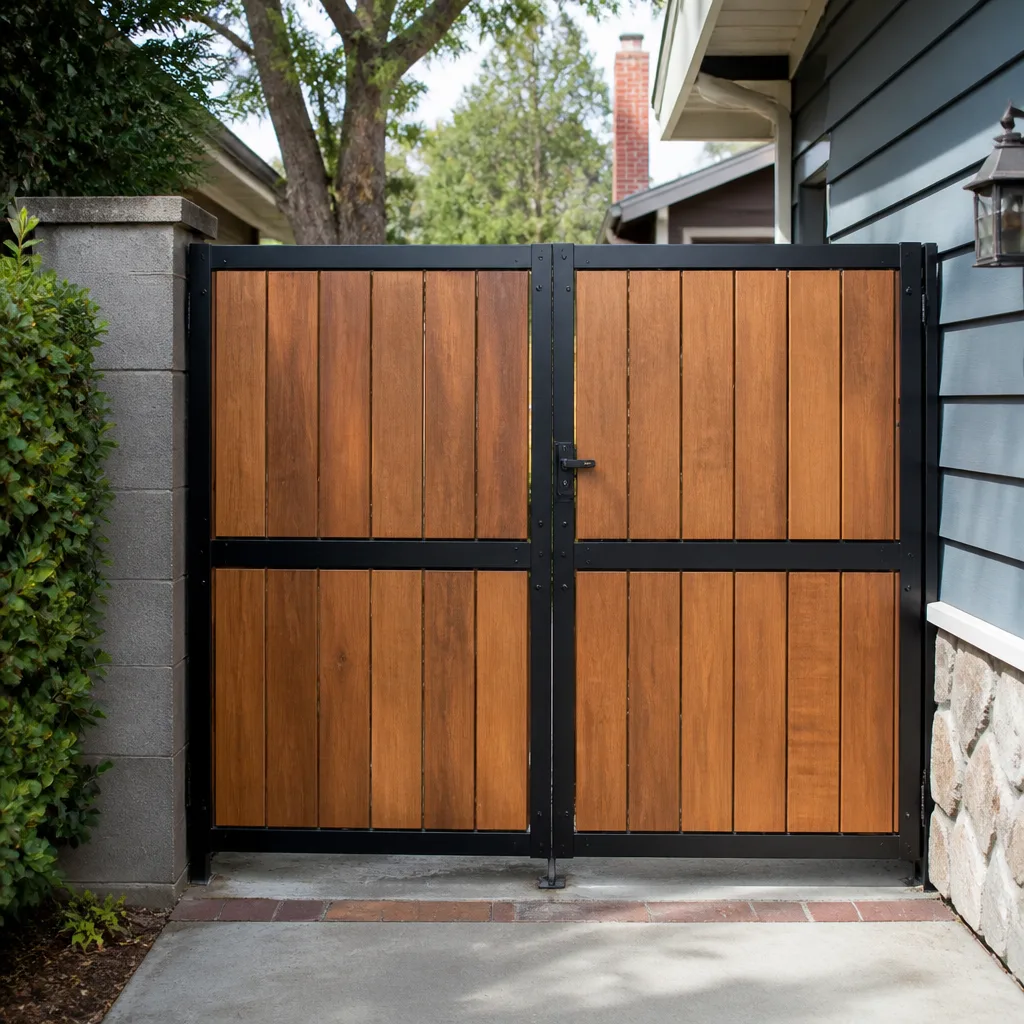 Wood & steel frame
 Farm & ranch
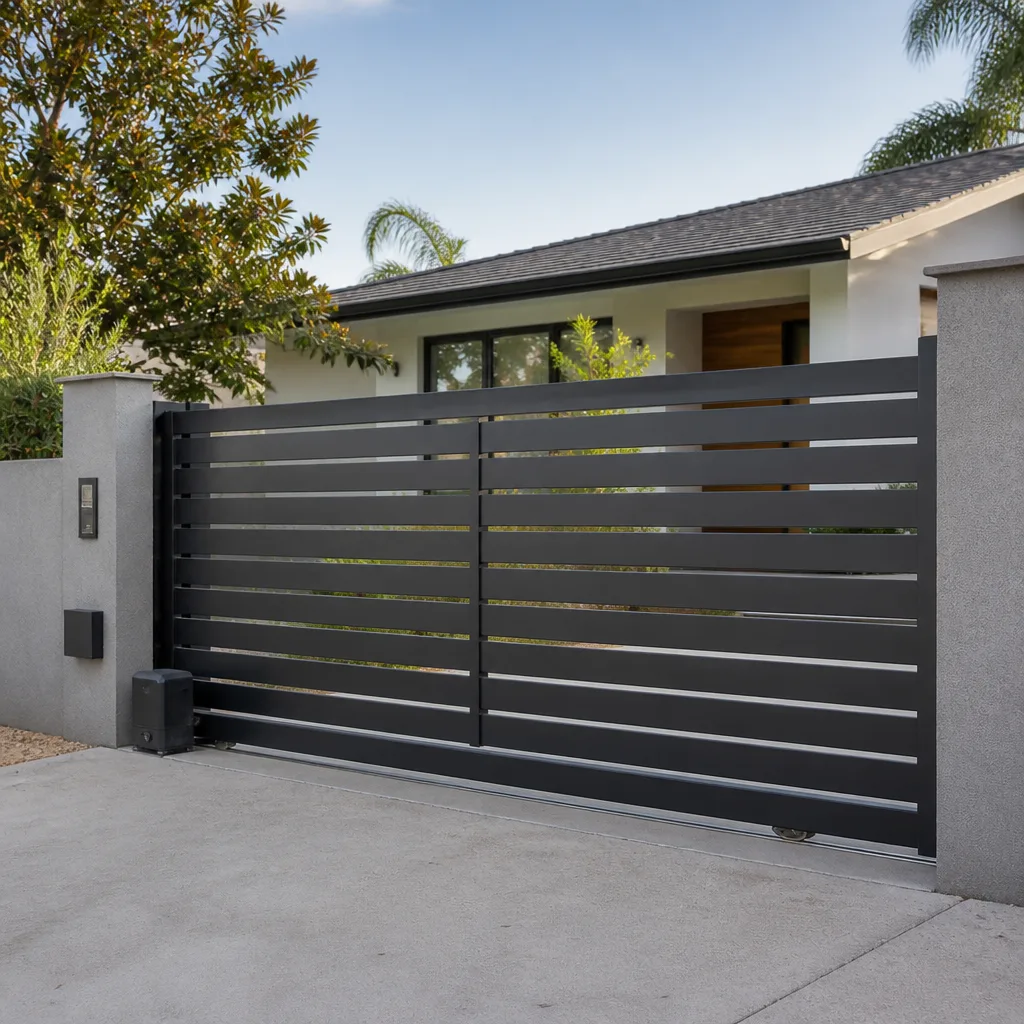 Sliding driveway gates
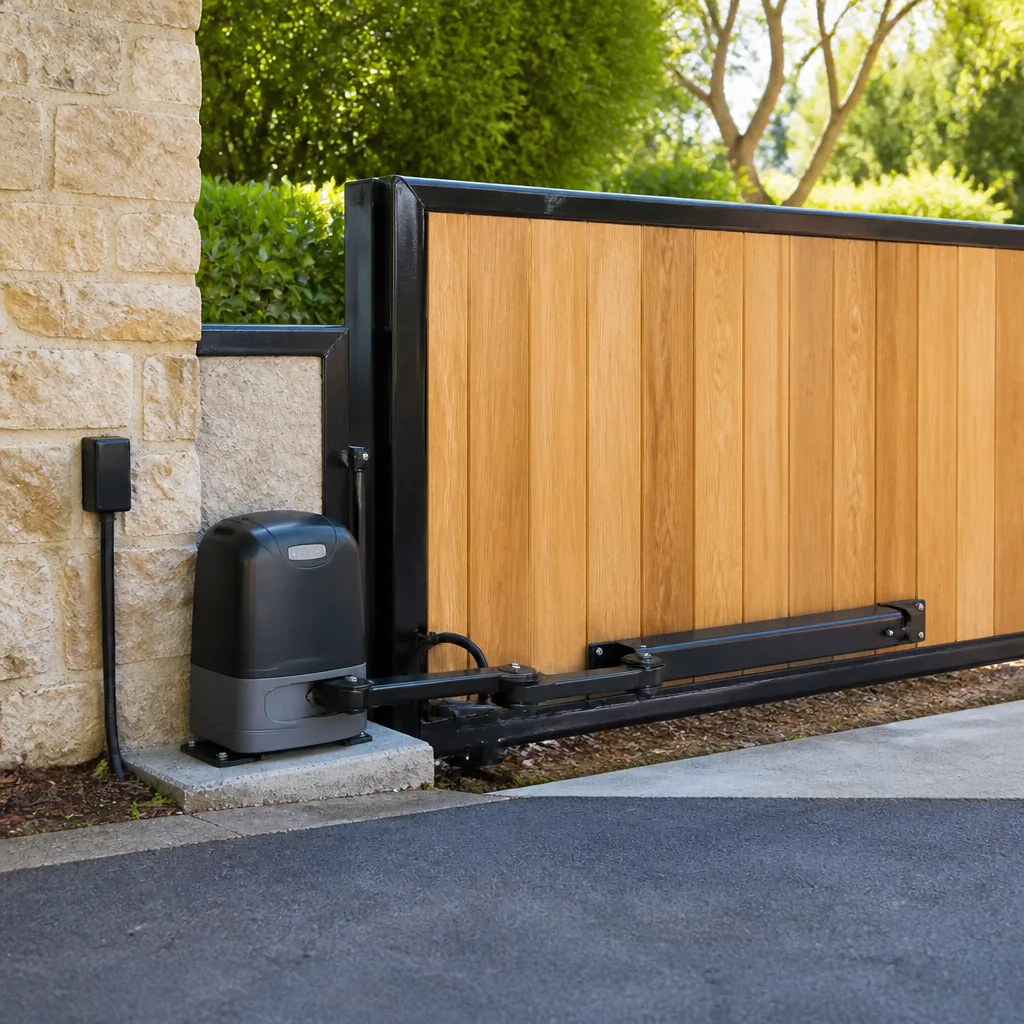 LiftMaster operators
Free on-site gate assessment - hinges, posts, and your LiftMaster or Nice gate operator checked before anything is quoted
The assessment is free and the quote is the invoice.
Get your free estimateThe Complete Gate Repair Guide for Summerlin Homeowners
Most gate repairs in Summerlin fail again within 18 months. Not because the fix was wrong on the day it was made, but because a technician treated a desert gate like it was hung in Ohio. Caliche soil, 110°F afternoons, and wind that carries grit from the open desert change how metal, concrete, and wiring age. A gate that stays true in a damp climate will twist out of line here in a few seasons. This guide maps each common repair to the actual Summerlin condition that caused it, so you can spot what’s happening and know what a fair fix looks like.
Quick Answer
Gate repairs in Summerlin run roughly $180 to $900 for most residential jobs, and the failure is usually mechanical or structural long before it’s electronic. Loose hinges, shifting post footings in caliche soil, and sun-baked wiring insulation cause the majority of problems we see in Summerlin. A proper repair fixes the cause, not just the symptom, which is the difference between a gate that works for 18 months and one that works for years.
Styles & brands we work with
- Wrought iron
- Wood & steel frame
- Farm & ranch
- Sliding driveway gates
- LiftMaster operators
Table of Contents
- How Summerlin’s Caliche Soil Shifts Gate Posts
- When a Gate Looks Electrical but Isn’t
- UV Degradation: Why Summerlin Wiring Fails First
- Dust Infiltration in Swing vs. Slide Operators
- Documenting a Repair for Summerlin HOA Approval
- True Repair vs. a Symptom of a Foundation Issue
- A Seasonal Repair Calendar for Summerlin Gates
- Common Mistakes to Avoid
How Summerlin’s Caliche Soil Shifts Gate Posts
Caliche is the hard, calcium-cemented layer that sits under much of Summerlin, and it behaves nothing like ordinary soil. It swells when it takes on water and shrinks hard when it dries, and in our experience the swing between a wet winter and a bone-dry June is enough to move a post footing a fraction of an inch. A fraction is all it takes. The gate latch no longer lines up, the swing drags at the bottom, and a homeowner assumes the opener is failing. It usually isn’t.
Here’s how we tell the difference between a footing that has shifted and one that is still set:
- Open the gate by hand with the operator disengaged and watch the gap between the gate and the post through the full swing.
- Check the post with a level on two faces. A post that leans even slightly is a soil-and-footing issue, not an opener issue.
- Look at the concrete collar at the base for hairline cracks or a gap where soil has pulled away from the concrete.
- Note whether the gate binds in the same spot every time or varies with the weather. A shift that changes with moisture points straight at the footing.
When the footing is the problem, resetting or re-pinning the post is the real fix. Adjusting the hinges to compensate buys you a season at best, and the gate comes back out of line. This is the single most common “repeat repair” we’re called to correct in Summerlin.
When a Gate Looks Electrical but Isn’t
A gate that won’t close, reverses halfway, or stops mid-travel looks like a motor problem. In Summerlin, it’s often the frame fighting itself. Heat expansion in summer can bow a steel gate enough that it makes contact with a post or a stop, and the operator reads that resistance as an obstruction and reverses. The control board is doing its job; the gate is telling it something is in the way, because something is.
Before anyone replaces an operator or a control board, these checks matter:
- Disengage the operator and push the gate through its full travel by hand. If it drags, rubs, or catches, the issue is mechanical.
- Inspect hinges and rollers for flat spots and grit. A roller worn out of round creates drag that mimics a weak motor.
- Check the gate’s square: measure both diagonals of the frame. Summerlin’s heat cycles can rack a gate out of square over time.
- Confirm the safety edges and photobeams aren’t tripping. A dirty lens or a sun-faded photo-eye reflector is a common culprit.
If a gate passes the hand-push test cleanly and still fails, then it’s worth testing the operator, the board, and the wiring. Replacing a board on a gate that’s binding only guarantees the new board will fail the same way. Our Gate Repair in Summerlin service starts with that hand-push diagnosis so the real cause gets fixed on the first visit.
UV Degradation: Why Summerlin Wiring Fails First
Summerlin sits at high elevation with intense sun and low humidity, and that combination chews through wiring insulation far faster than it does in milder climates. Sun-exposed low-voltage wire can crack and go brittle in a fraction of the time a national average would suggest, and the failure shows up as intermittent faults: the gate works in the morning and stops by afternoon, or the keypad works sometimes and not others. We’ve pulled lengths of wire in Summerlin that looked sound until it was flexed, and the insulation split at every bend.
What to inspect first when a fault comes and goes:
- Trace every run of exposed wire and look for checking, cracking, or a chalky surface on the insulation.
- Check connections at the operator, the keypad, and the photo-eyes for corrosion and loose terminals.
- Confirm the wire is rated and protected where it comes out of the ground into the sun.
- Look at conduit and fittings, which fail too. A sun-cracked fitting lets moisture and grit into the run.
Re-running sun-exposed wire in UV-rated cable with proper conduit isn’t glamorous, but it’s the difference between a fault that keeps returning and one that’s gone. It’s also the kind of upstream problem a generalist misses.
Dust Infiltration in Swing vs. Slide Operators
Wind in Summerlin’s windward HOA neighborhoods carries fine desert dust, and it gets into operators through the places their covers don’t seal. Swing and slide operators fail differently because their moving parts sit in different places relative to the grit.
Swing operators mount at the post, and the planetary gears and limit switches inside the housing collect dust that works its way past the cover gasket. The symptom is a gate that gets slower or noisier or starts drifting past its limit. We’ve opened swing operators in Summerlin with a visible grit layer inside that had never been serviced.
Slide operators are more exposed because the track sits at ground level, where wind-blown sand collects. The rack and pinion grind against that grit, and rollers wear out of round. The symptom is a gate that shudders, jumps the rack, or stalls partway. Clearing the track and inspecting the rack is basic upkeep that’s often skipped.
For both types, an annual inspection that clears grit, checks gaskets, and greases the right points prevents most of the damage. It’s cheaper than a board or a motor. Our Gate Motor & Opener in Summerlin service covers any of the major brands and knows where each one collects dust.
Documenting a Repair for Summerlin HOA Approval
This is the step most guides skip, and in Summerlin it can stop a repair cold. Many Summerlin HOAs have architectural review rules that cover gate appearance, finish, color, and any change to the hardware or hardware footprint. A repair that’s a like-for-like swap is usually fine, but a repair that changes the look of the gate or the post can require written approval before the work starts. If you skip that step, you can be asked to undo work you’ve already paid for.
How to document a repair for approval before work begins:
- Photograph the failed component and the full gate from a consistent angle in daylight.
- Get a written scope from the contractor describing exactly what will change, and note what stays the same.
- Read your HOA’s architectural guidelines for gate finish, color, and hardware. Ask your community manager directly if you’re unsure.
- Submit the photos and written scope together, and keep the approval in writing.
- Keep the approval and the final invoice on file in case of a later question.
Asking a contractor for a written scope before work starts also happens to be how you make sure the price is settled upfront. A company that won’t put the scope in writing won’t stand behind the work either, and in Summerlin that paperwork matters twice: once for the HOA, once for you.
True Repair vs. a Symptom of a Foundation Issue
Sometimes the gate is fine and the ground under it isn’t. When a post footing keeps shifting no matter how many times it’s adjusted, or when a wall the gate hangs on is cracking, you’re chasing a symptom of a settling foundation. The gate is just the most noticeable thing moving. Throwing hinge adjustments and new hardware at that problem costs money and never fixes it.
Signs the issue is deeper than the gate:
- The post keeps leaning again within a few months of being reset.
- Cracks in the concrete at the gate base widen over a season.
- The gate opening is no longer square, and the gap on one side keeps growing.
- A block pillar or wall the gate attaches to is cracking or separating from its footing.
A true repair addresses the footing and the mounting point. That might mean a longer footing that goes below the active caliche layer or a post anchored into a solid rebar-and-concrete pier. It’s a bigger job, but it ends the cycle. A company that ignores the footing and just resets the hinges is the reason a Summerlin gate gets repaired four times in five years. Our Gate Installation in Summerlin team handles the structural side when a repair turns out to be a reset job.
A Seasonal Repair Calendar for Summerlin Gates
Summerlin’s seasons put predictable demands on a gate, and knowing them helps you catch problems before they become failures.
Spring: the wet season loosens caliche and shifts footings. This is when misalignment shows up. Check the post and the square of the opening first.
Summer: intense heat expands metal and stresses wiring. Gates bind, boards overheat, and sun-cracked insulation faults. Listen for a change in motor sound.
Fall: the dry wind carries grit into swing and slide operators. Clear the track, inspect gaskets, and grease the moving points that need it.
Winter: cold nights and warm days cycle the concrete. Check the footing and the base for new cracks before the spring wet season finds them.
An $89 Seasonal Tune-Up in early fall catches the dust and wiring issues before they cause a failure, which is a lot cheaper than a replacement motor or a post reset. If you’re not sure what season your gate needs attention, our Ironworks Gate Co. Summerlin home page has the full picture of what we service.
Common Mistakes to Avoid
- Adjusting hinges to fix a leaning post. It buys weeks, not seasons, and the gate comes back out of line. Fix the footing, not the hinge.
- Replacing a control board on a binding gate. The board trips because the gate is dragging. A new board fails the same way, and you’ve paid twice.
- Ignoring sun-cracked wiring insulation. Intermittent faults get worse, not better, and they fail mid-operation at the worst time.
- Skipping the HOA’s written scope. In Summerlin, unapproved gate changes can mean undoing work you already paid for. Get it in writing first.
- Letting dust and grit build up in the operator. A swing or slide operator in a windward Summerlin neighborhood collects grit fast, and you can hear it if you listen.
- Going with the lowest bid on a post reset. A short footing in caliche will shift again. A proper pier costs more up front and costs nothing after.
- Waiting for a total failure. A gate that shudders, slows, or reverses is telling you something. Catching it early keeps a routine tune-up from becoming a motor replacement.
See the difference
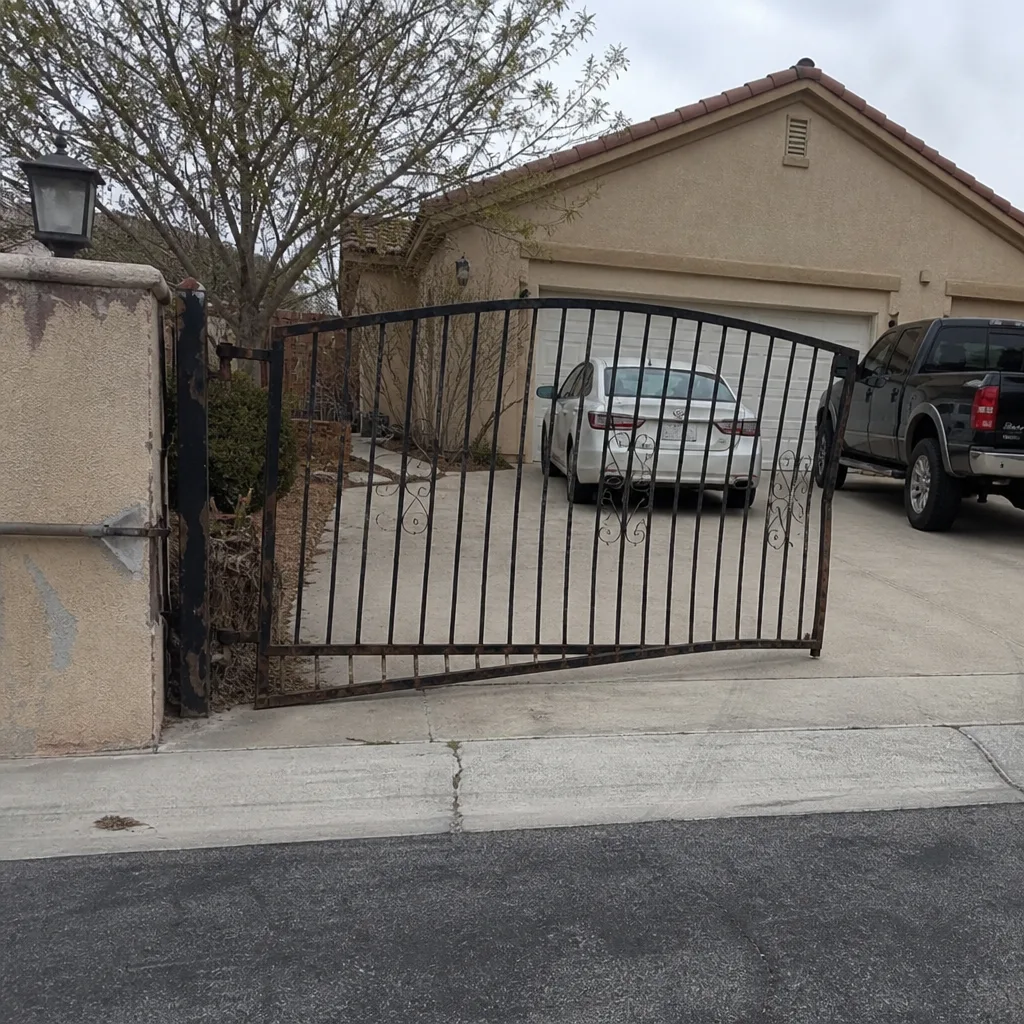 Before
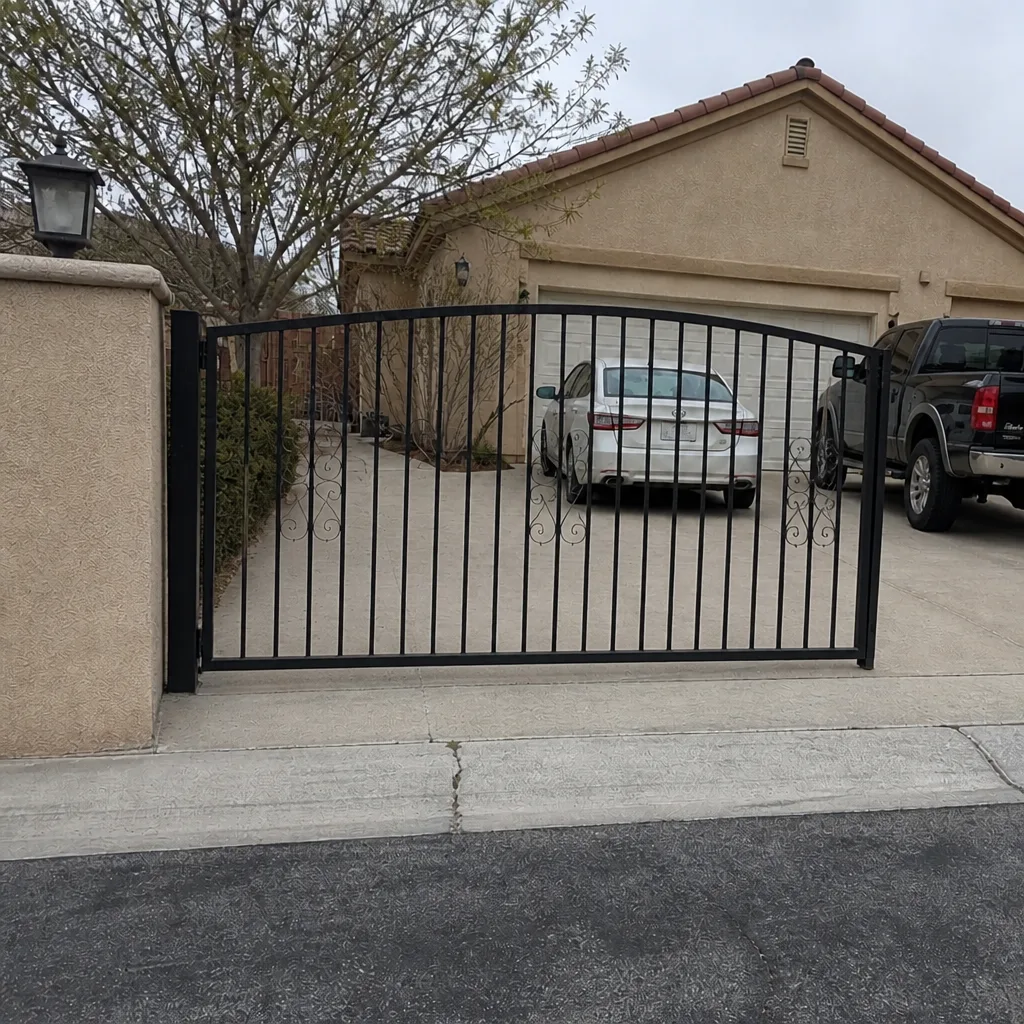 After
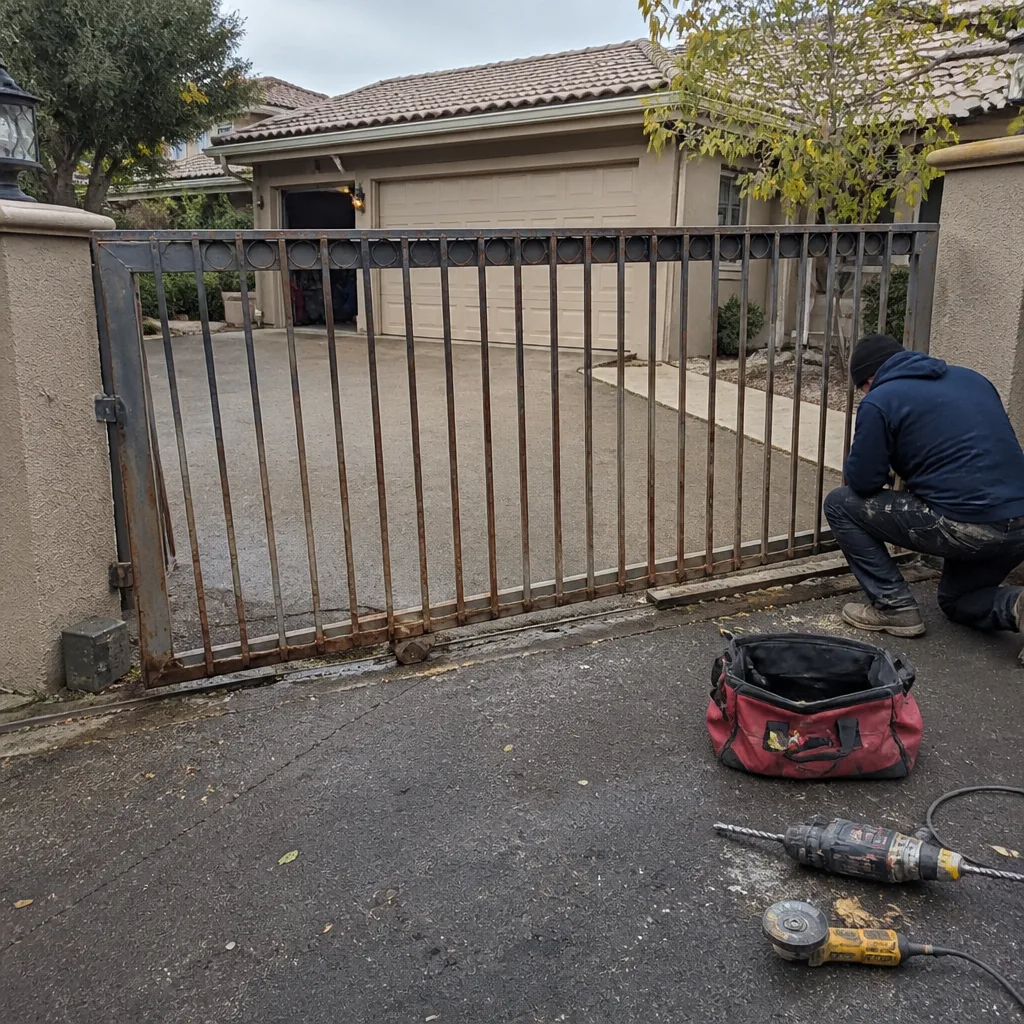 Before
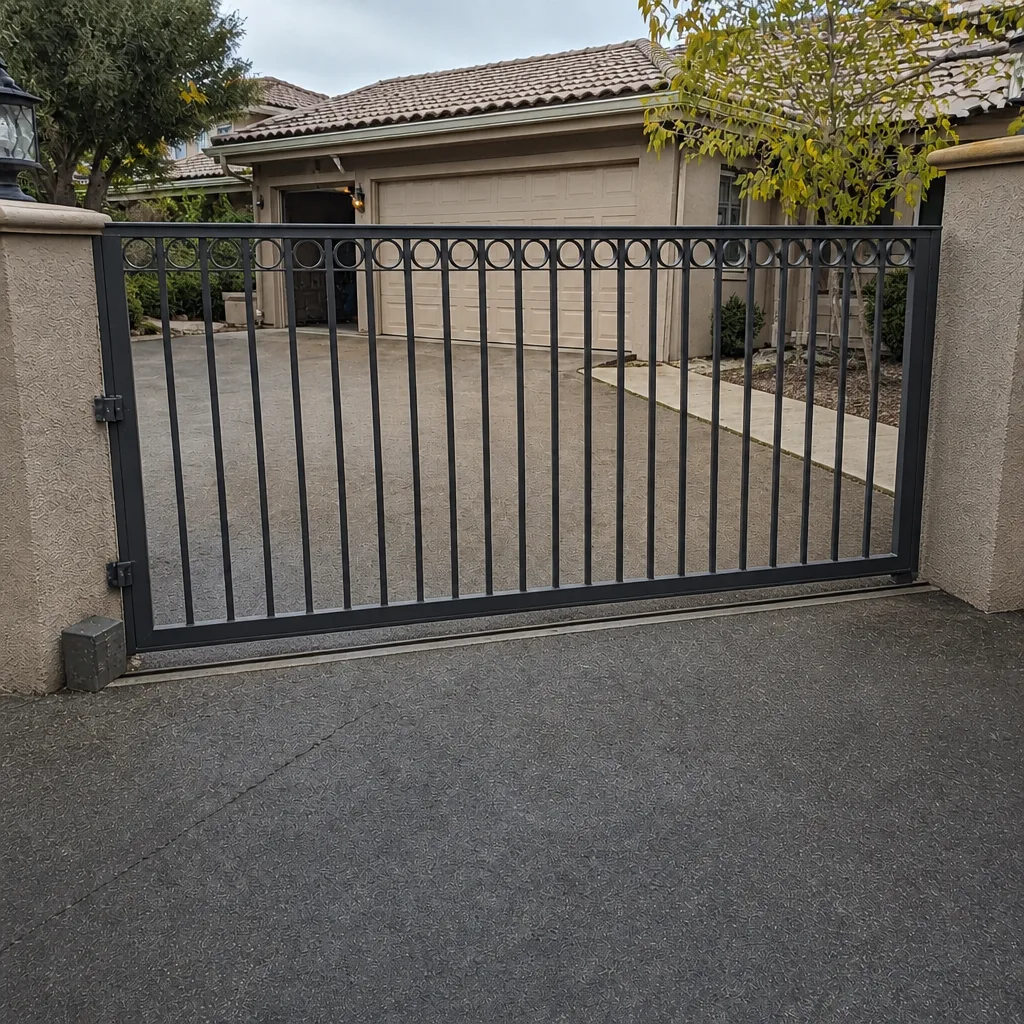 After
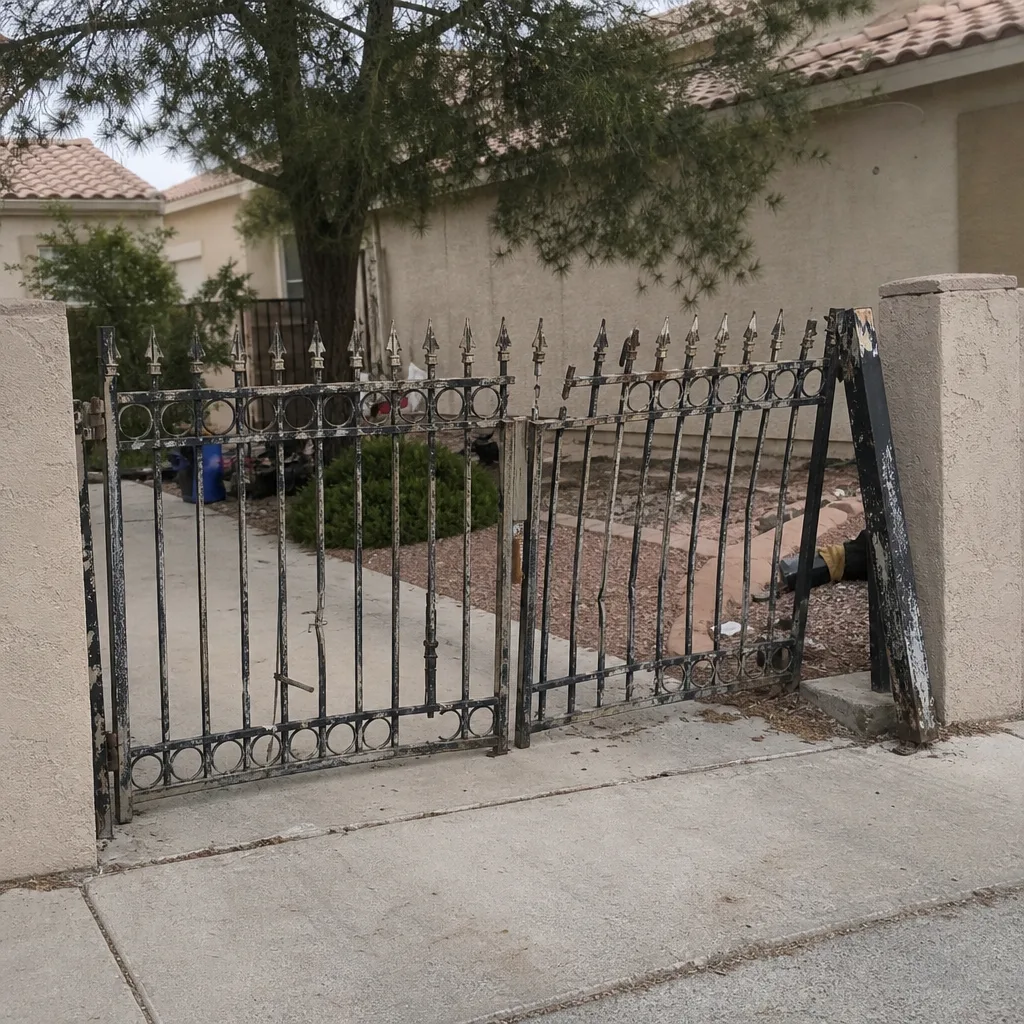 Before
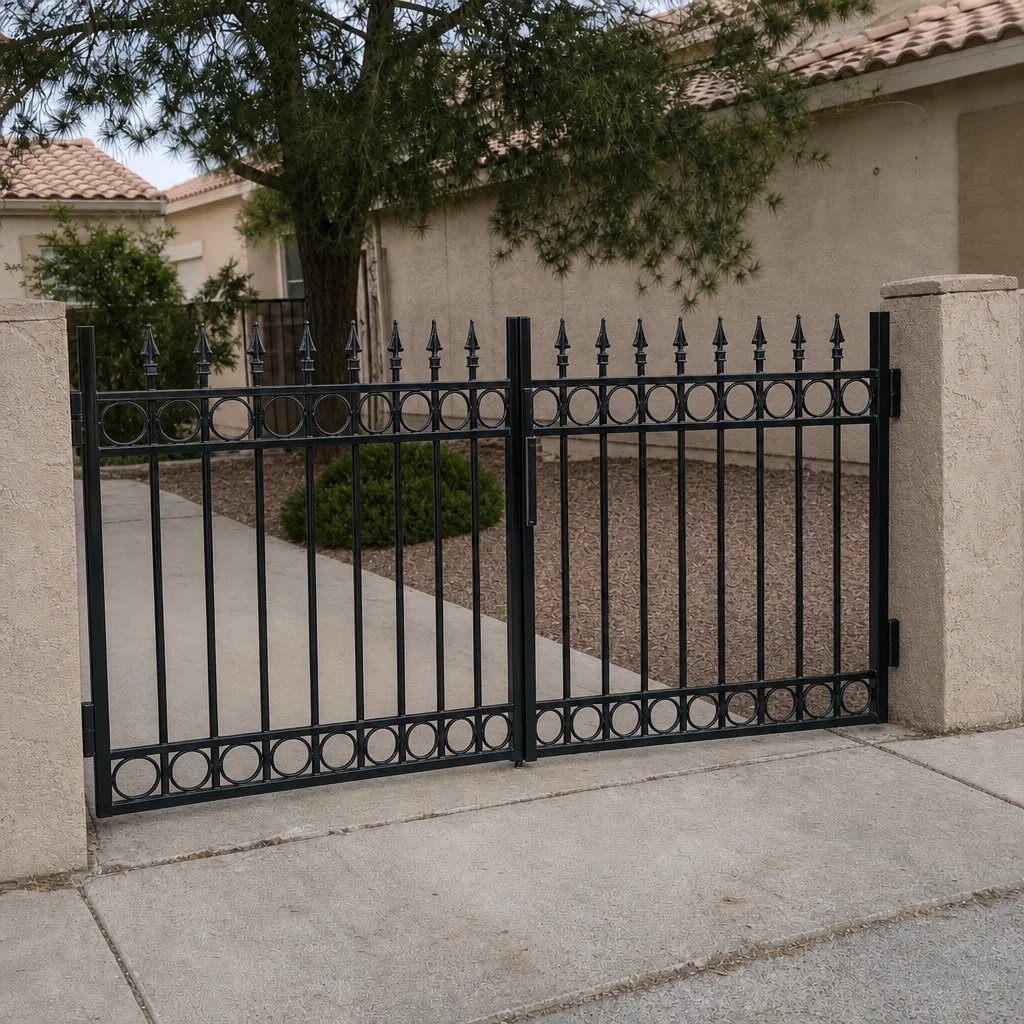 After
When to Call a Professional
A wobbling post that keeps leaning, a fault that comes and goes with the weather, a gate that reverses halfway, or a wall that’s cracking where the gate hangs: these are all signs the cause is deeper than a homeowner can safely reach. High-tension springs and gate hardware under load can cause serious injury, and electrical work at an operator or keypad has the same hazard. Don’t put your hands into a gate that’s under spring tension or a live operator. Our technicians have up to 13 years of experience and are background-checked and trained. Ironworks Gate Co. Summerlin offers free estimates in Summerlin – call (866) 623-9848.
Frequently Asked Questions
Most residential gate repairs in Summerlin run $180 to $900, with hinge and hardware repairs at the low end and a post reset or wiring re-run at the higher end. The price is quoted and agreed before any work starts, so there are no surprises on the bill. Call (866) 623-9848 for an exact quote – estimates are free.
A gate that reverses, stalls, or drags in Summerlin usually has a mechanical cause – a shifted footing, a binding frame, or worn hinges – and the operator is only reporting the resistance. Disengaging the operator and pushing the gate by hand through its travel tells you which it is. If the gate drags by hand, it’s mechanical, and a company that replaces the board first will be back.
Get a written scope from the contractor, photograph the failed part and the full gate, and submit both with your HOA’s architectural guidelines in hand before work begins. Keep the approval in writing. Like-for-like repairs are usually fine; a repair that changes the look of the gate or the post is where the approval matters most.
Summerlin’s sun and dry air break down wiring insulation faster than milder climates do, so sun-exposed low-voltage wire goes brittle and cracks. The fault shows up as intermittent operation – working in the morning, stopping by afternoon. The fix is re-running the exposed wire in UV-rated cable inside proper conduit rather than patching it.
No. A post reset in Summerlin has to deal with caliche soil and the load of the gate, and gate hardware and springs under tension are a real hazard. A short footing that ignores the caliche layer will shift again within a season. Our technicians have up to 13 years of experience and handle the footing correctly. Call (866) 623-9848 for a free estimate.
Yes. We’re trained on nine major gate-automation brands including FAAC, BFT, Linear, and Viking, so the correct fix is made on the first visit whatever is on your driveway. If your operator is a brand we service, we’ll know its faults and its dust points. Call (866) 623-9848 to find out.
The Bottom Line
Gate repair in Summerlin is a different job than it is elsewhere. Caliche soil moves your posts, the sun degrades your wiring, and desert wind fills your operator with grit. Fix the cause, not the symptom. Confirm the footing, check the wiring, clear the dust, and get the HOA and the price settled in writing before work begins. A gate that’s genuinely fixed is a gate you don’t think about again. If you want one call that ends the guessing, we’re ready. Ironworks Gate Co. Summerlin is here to get the job done right and stand behind it. Call (866) 623-9848 for a free estimate.
Written by the team at Ironworks Gate Co. Summerlin.