
Last updated November 16, 2026
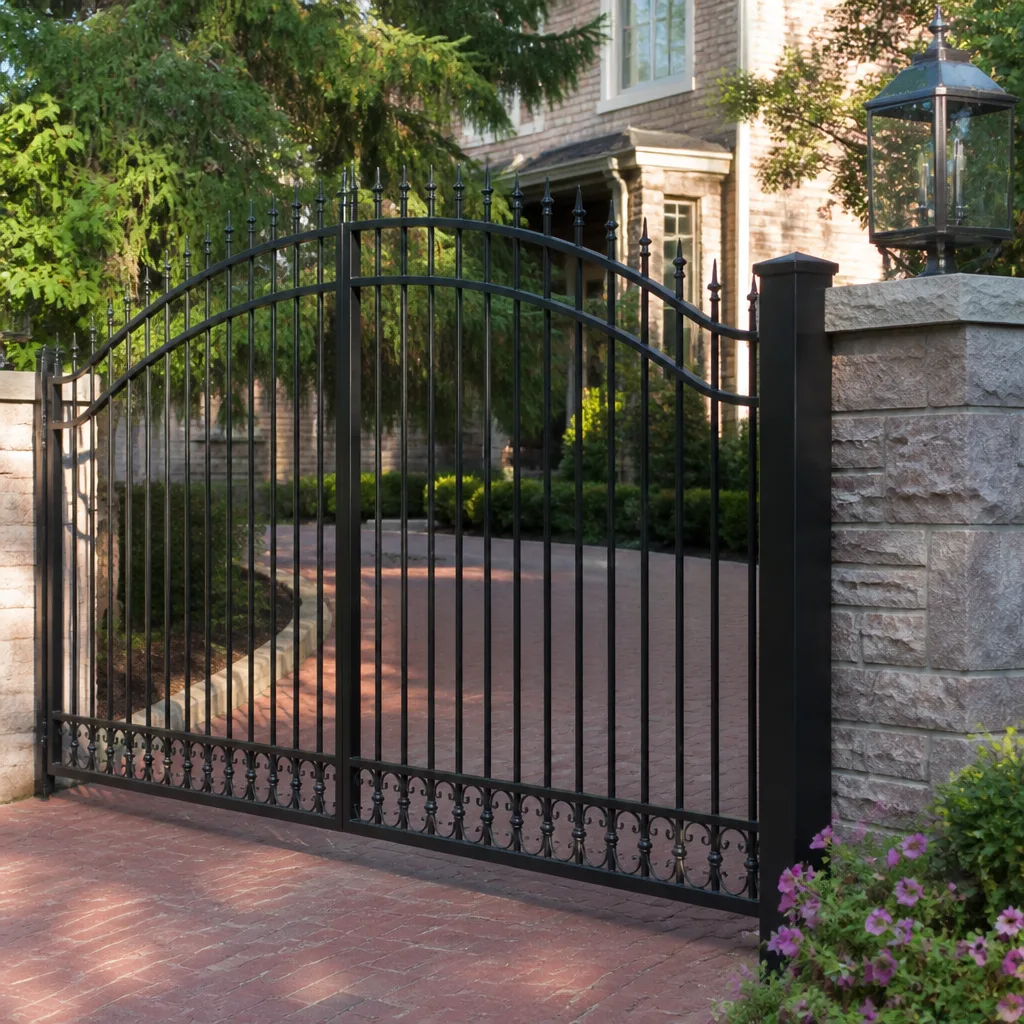 Wrought iron
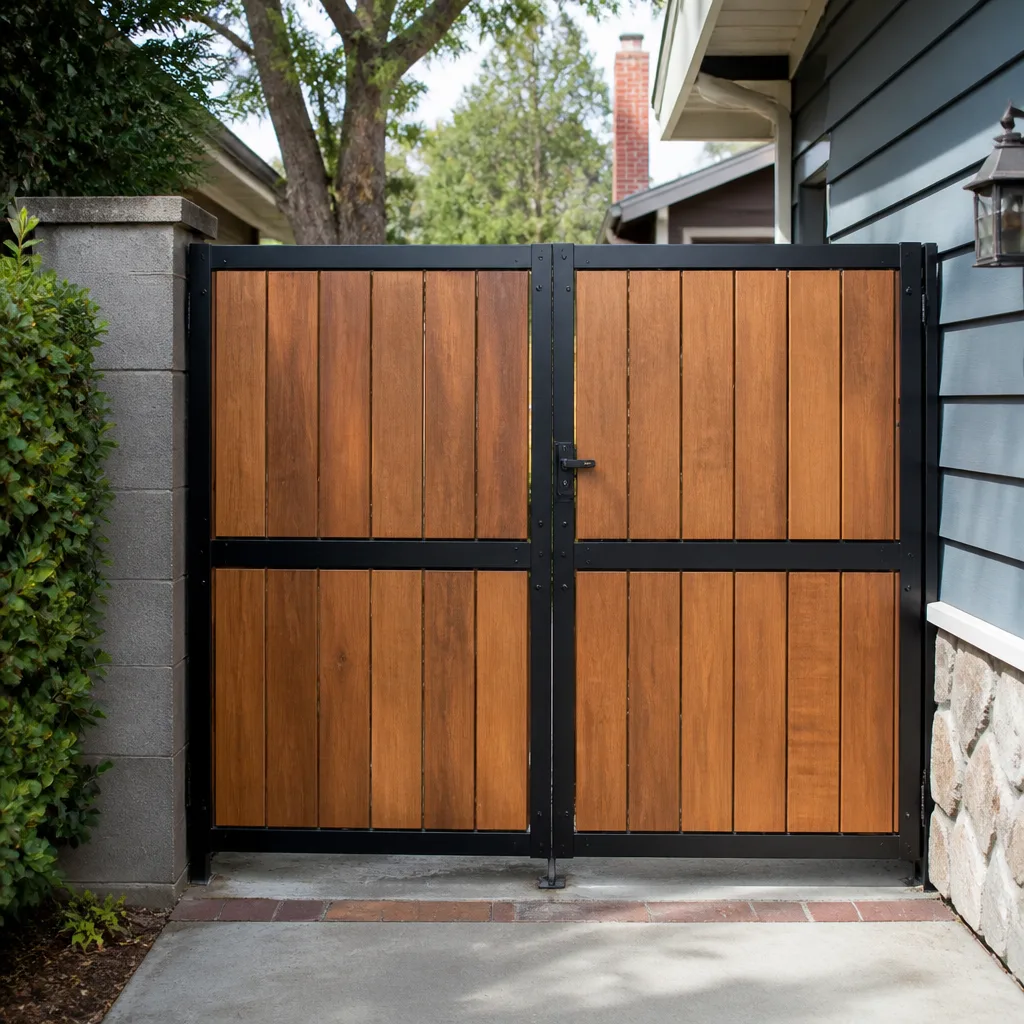 Wood & steel frame
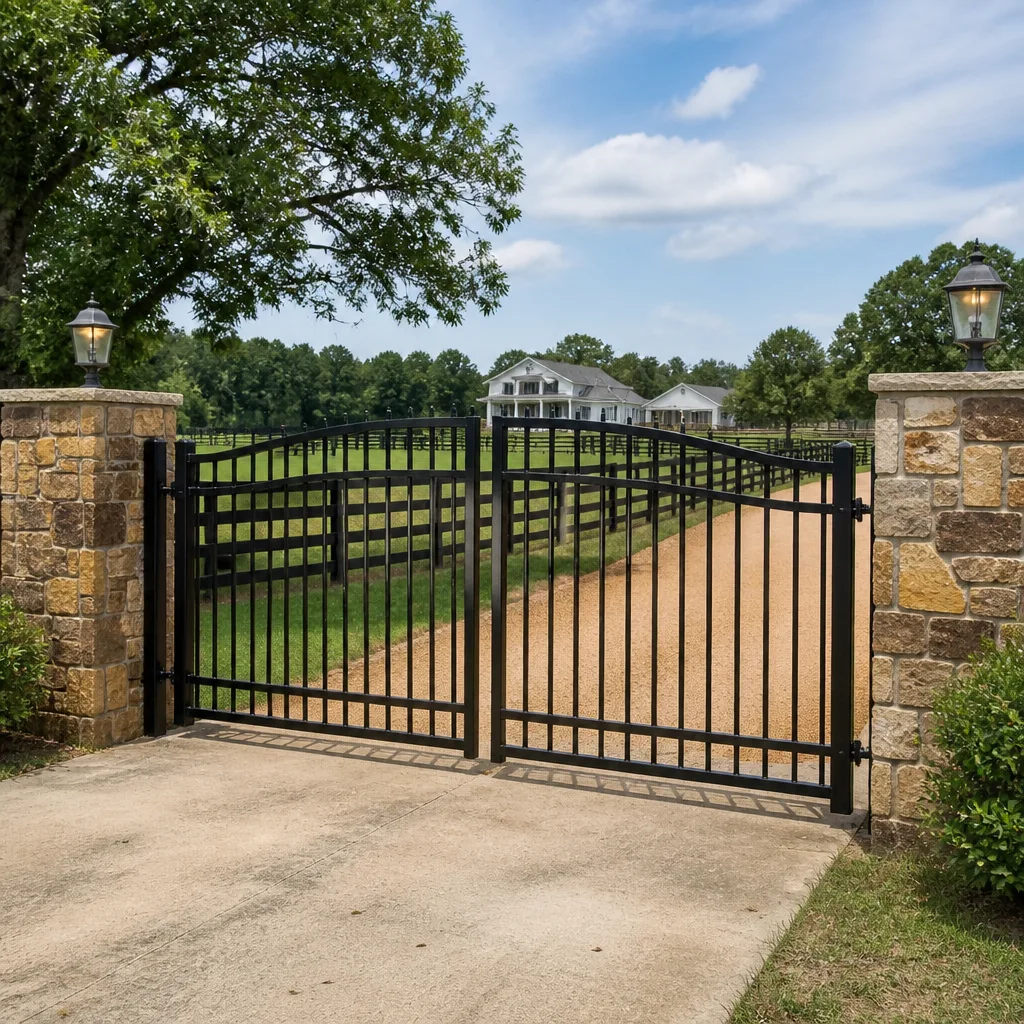 Farm & ranch
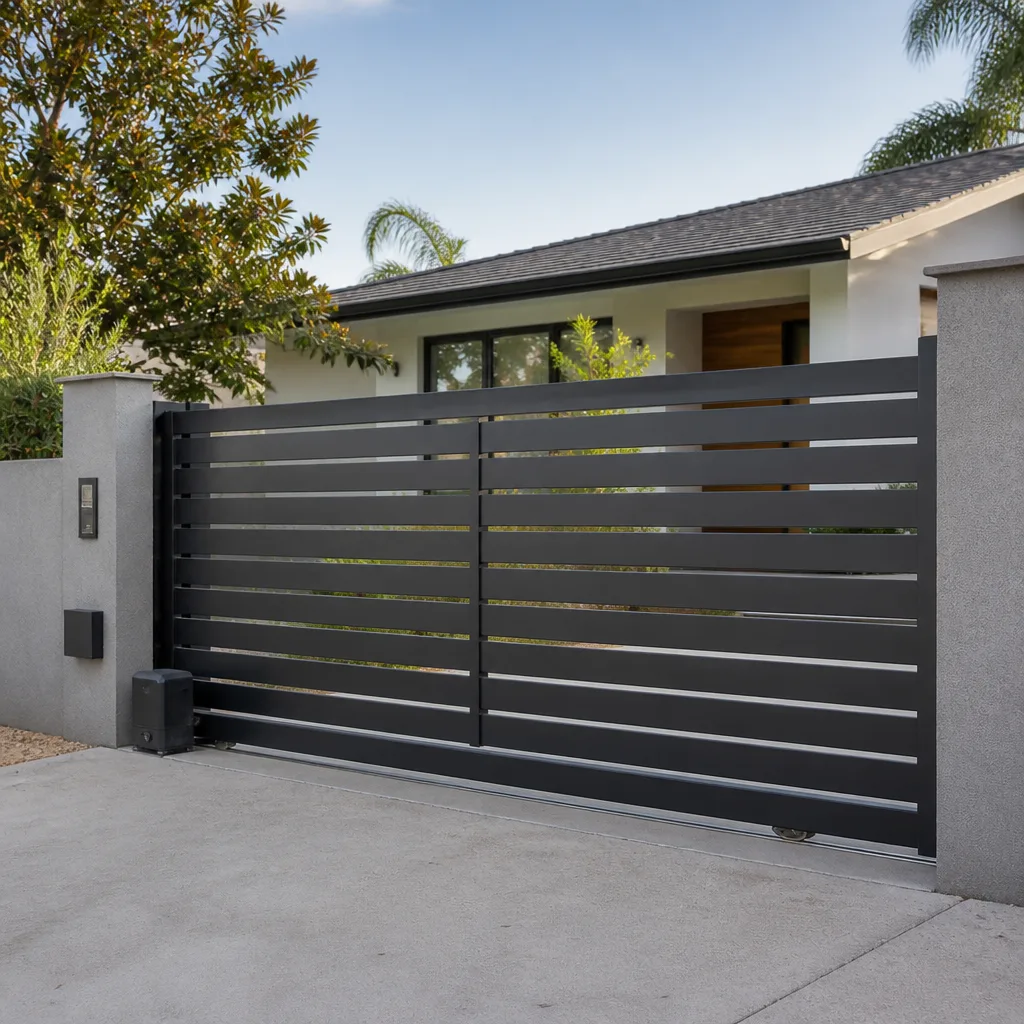 Sliding driveway gates
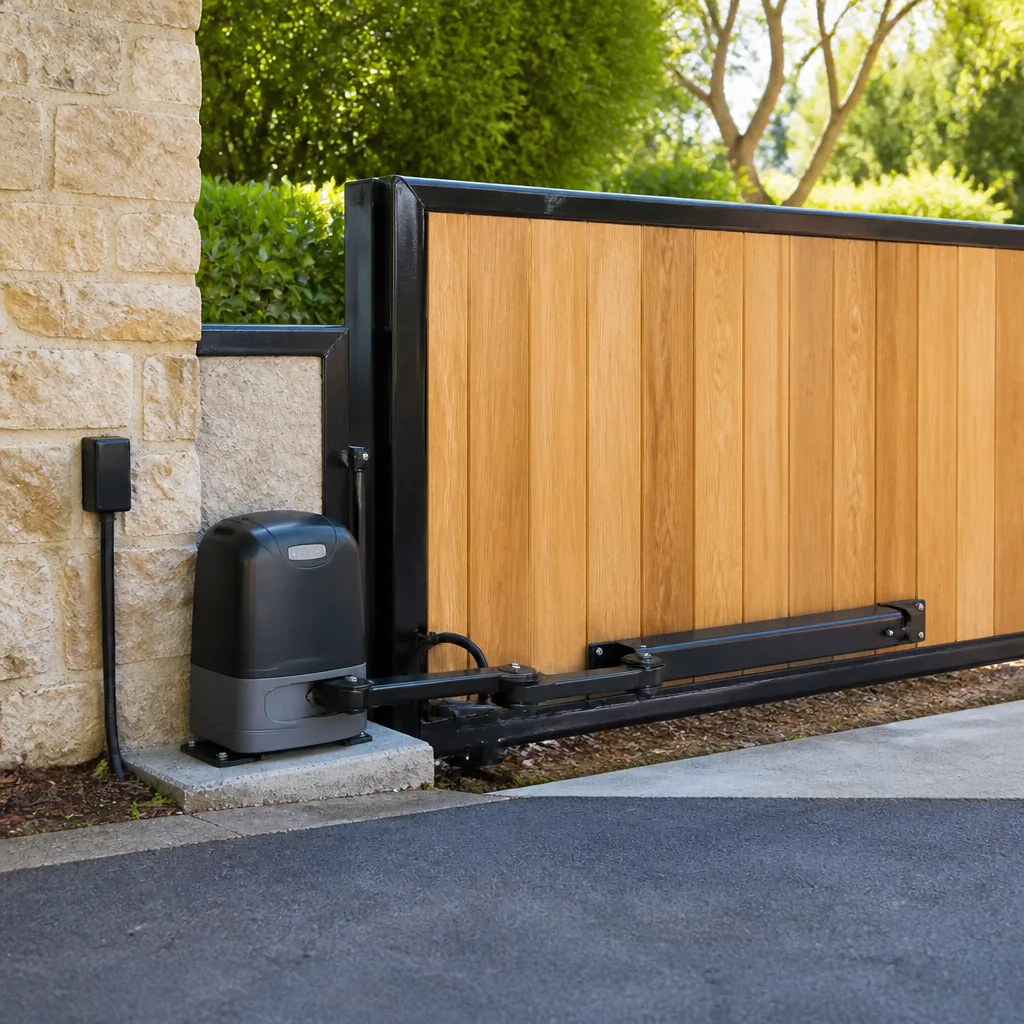 LiftMaster operators
Free on-site gate assessment - hinges, posts, and your LiftMaster or Nice gate operator checked before anything is quoted
The assessment is free and the quote is the invoice.
Get your free estimateGate Repair Emergency Preparedness Guide for Summerlin Homes
NV Energy logged more than 40 outage events on Summerlin-area circuits in a recent 12-month period. Every one was a potential gate emergency for a home without a manual release plan. A gate that fails closed traps your car in the driveway. A gate that fails open leaves your property standing wide. Both tend to happen during a July brownout or a monsoon gust, usually when you’re already late for something. This guide walks you through a real emergency protocol: how to find and test your manual release before you need it, how your lock’s fail-safe setting works, how to free a gate stuck mid-travel without burning the motor, and how to tell a fire crew where your gate override lives.
Quick Answer
A stuck Summerlin gate is almost always one of four things: a tripped manual release, a dead battery in the operator, an obstruction on a safety edge, or a power failure at the circuit. Before calling anyone, locate your manual release key and disengage the operator so you can move the gate by hand. If it won’t budge by hand, something mechanical is wrong and the gate should stay put until a technician looks at it. A live gate with a failing motor or a bent track is the one you don’t want to force.
Styles & brands we work with
- Wrought iron
- Wood & steel frame
- Farm & ranch
- Sliding driveway gates
- LiftMaster operators
Table of Contents
- How to locate, test, and use your manual release before midnight in July
- Fail-safe vs. fail-secure: which setting belongs on your driveway gate
- What to do when the gate is stuck mid-travel
- Battery backup and what runtime really looks like in 110°F heat
- Telling emergency services how to get in when the gate is down
- Why Summerlin weather is hard on gate hardware
- The pre-season checklist we recommend to every homeowner
How to Locate, Test, and Use Your Manual Release Before Midnight in July
The single most useful thing you can do for your gate this week is find the manual release. Not in a crisis. Now, in daylight, with a cold drink in hand. Every residential operator we service has one, and every one of them requires a physical key, a lever, or both. If you don’t know where yours is, you don’t have a backup plan. You have a hope.
Here’s the general sequence. It works on most of the nine brands we’re trained on, including Ghost Controls, Elite, and Mighty Mule, though the exact location of the release lever varies by model:
- Find the release key. It’s usually a small hex or cylinder key that came with the operator. Keep it on your house key ring, not in a kitchen drawer.
- Locate the manual release lever or knob. On most slide operators it’s under a flip-up cover on the motor housing. On swing operators it’s on the arm or the gear housing, depending on the brand.
- Turn or pull the release. Follow the direction arrow molded into the housing. It takes more force than you expect on a gate that hasn’t been released in years.
- Move the gate by hand. It should roll or swing with light pressure. If it won’t move, stop and call us. Something mechanical is jammed.
- Re-engage the release when power returns. Cycle the gate once by hand to seat the gear, then turn the lever back to its locked position.
Test the whole sequence once in spring and once in fall. If your release hasn’t been turned in five years, it will fight you, and the last place you want to discover that is the driveway at 11 p.m. If it won’t turn at all, that’s a repair. Our Gate Repair in Summerlin team handles stubborn releases regularly, and a seized release is one of the most common calls we get after a long idle stretch.
Fail-Safe vs. Fail-Secure: Which Setting Belongs on Your Driveway Gate
Electric gate locks and magnetic locks are built to do one of two things when power fails. They either unlock automatically (fail-safe) or stay locked (fail-secure). Most homeowners have never checked which one their driveway gate uses. In Summerlin, that’s the difference between a gate that lets the fire department in at 3 a.m. and one that blocks them out.
- Fail-safe locks release on power loss. They’re correct for a driveway gate on a property where someone might need to exit during a fire or medical emergency. They are also the standard for pedestrian gates that serve as egress.
- Fail-secure locks stay locked without power. They make sense on a secondary pedestrian gate where security matters more than emergency exit, or on a utility gate nobody needs to walk through at night.
- The wrong setting is the one that fights the way people actually use the gate. A fail-secure driveway gate during an outage traps your cars, your family, and anyone responding to a call.
We’ve opened dozens of estates in The Ridges and Red Rock Country Club where the lock setting was never reviewed after install. The fix takes ten minutes. The consequences of not fixing it can take far longer. If you’re not sure what your gate does when power dies, unplug the operator and test it (with the driveway clear and no cars behind the gate). Whatever it does next tells you the setting. If it stays locked and you can’t release it by hand, that’s exactly the kind of thing worth a professional look before spring storm season. Our Gate Motor & Opener in Summerlin team can confirm the setting and correct it in one visit.
What to Do When the Gate Is Stuck Mid-Travel
A gate that stops halfway is telling you something. Either the operator hit an obstruction (or thinks it did), the safety edge tripped, or the motor is losing its position reference. Forcing the gate through the obstruction is how people bend tracks, snap hinge welds, and burn out motors. Don’t do that.
Here’s the sequence we walk homeowners through on the phone, and it’s the same one we use on arrival:
- Cut the operator’s power at the breaker or the dedicated switch. Not the wall remote, not the keypad. The actual power source. This prevents the motor from re-energizing while you’re inspecting.
- Look for interference. Rocks, toys, palm fronds, and in Summerlin, the occasional rabbit. Debris under a slide gate is the most common cause of a mid-travel stop.
- Check the safety edge or photo-eye. A dirty or misaligned photo-eye will stop a gate every time. Wipe it with a dry cloth and check that the lenses line up.
- Release the operator by hand. If the gate moves freely once disengaged, the issue is electrical, not mechanical. If it doesn’t move, the issue is in the gate itself.
- Leave the gate disengaged and call. A gate in manual mode is safe. A gate with a bent track being forced by a 1-horsepower motor is not.
The risk in mid-travel situations is motor burnout. A stalled motor pulling against a stuck gate heats up in minutes, and in 105°F Summerlin afternoon heat, it has less margin than it would elsewhere. If you’ve already run it a couple of times against the obstruction, expect the motor to need service, not just a reset.
Battery Backup and What Runtime Really Looks Like in 110°F Heat
Battery backup spec sheets quote generous runtimes. The fine print says “at room temperature.” Summerlin isn’t room temperature. A battery rated for 40 cycles at 70°F will not deliver 40 cycles on a 110°F July afternoon with a black-housing operator sitting in direct sun. Expect half that, sometimes less. Heat degrades battery capacity faster than anything else, and the same summer heat that stresses the battery is the heat that causes the outages you’re relying on it for.
What we tell Summerlin homeowners:
- Which operators support backup: Most modern residential slide and swing operators do, including many Ghost Controls, Elite, DoorKing, and LiftMaster models. Older operators often don’t, and that’s an upgrade worth weighing.
- Realistic runtime in summer heat: Plan for a partial day of normal use, not a full week. If a Summerlin outage runs long, your battery may not outlast it.
- Battery age matters more than battery spec: A three-year-old backup battery in a hot housing will fail early. Plan to test it once a year and replace it every two to three.
- If the battery is dead: The manual release is your fallback. This is why the first section of this guide comes first.
If your gate currently has no backup and you’d like it to, that’s a scheduled job, not an emergency one. Our Gate Installation in Summerlin team can quote a backup retrofit with a written price before any work starts. Same for any operator replacement.
Telling Emergency Services How to Get In When the Gate Is Down
Fire crews, paramedics, and police responders know how to get through most gates. What they don’t know is which release yours uses, where the keypad override lives, or whether the property has a siren-released latch. That information belongs on a small laminated card at your keypad and on record with your alarm company. It is one of the most overlooked safety steps we see in Summerlin.
Here’s what to post, in plain sight where a first responder would look:
- The brand and model of your operator (e.g., Ghost Controls, DoorKing, Elite, Mighty Mule)
- The location of the manual release and whether a key is required
- The 4-to-6 digit emergency code for your keypad, or a note that a physical key is required
- A phone number to reach the household during an outage
- A note about any secondary pedestrian gate and whether it’s fail-safe
Also tell your alarm monitoring company what your gate does in an outage. If your gate is fail-secure and the panel loses power, first responders arriving for a medical call may need a manual release, and knowing that ahead of time saves minutes that matter. We’ve walked Summerlin homeowners through this exact conversation with their monitoring companies, and it takes a single phone call.
Why Summerlin Weather Is Hard on Gate Hardware
Summerlin sits at the edge of the Mojave, and its gates take a beating most of the country doesn’t see. Summer surface temps on dark metal housings climb past 150°F. Winter nights drop below freezing. The wind that comes through the canyons in spring carries fine desert grit that finds its way into every hinge, gear, and photo-eye housing. Add the monsoon rain pattern (heavy, brief, and dust-loaded) and you have hardware that ages faster than the spec sheet ever imagined.
What that looks like on the ground: gate hinges in Sun City Summerlin seize after five or six summers without lubrication. Photo-eyes in The Trails cloud over with dust faster than anywhere else we work. Weld joints on older ornamental gates develop hairline cracks after a few freeze-thaw cycles. And the operators themselves pull more current in summer, which shortens motor life and drains backup batteries sooner.
This is also where the right fix on the first visit matters. A generalist who isn’t familiar with the nine brands we’re trained on will often replace a whole operator when the issue is a $12 photo-eye. We service LiftMaster, FAAC, BFT, Linear, Viking, Ghost Controls, DoorKing, Elite, and Mighty Mule, so the diagnosis is correct the first time and the parts are available.
The Pre-Season Checklist We Recommend to Every Homeowner
Do this once before summer and once before winter. It takes an afternoon. It prevents most of the emergency calls we run.
- Test the manual release. Locate, turn, and re-engage it. If it will not turn, that’s a repair.
- Test the battery backup. Cut power at the breaker and see how the gate behaves. If it doesn’t run on battery, the battery is due.
- Clean the photo-eyes. Dry cloth on both sides. Check for any debris blocking the beam.
- Walk the track. Look for dents, lifted sections, or debris. Slide gates in the Summerlin wind collect grit fast.
- Lubricate the hinges and rollers. A dry, gate-specific lubricant. Not WD-40 on its own.
- Check the lock setting. Confirm fail-safe or fail-secure is what you actually want for that gate.
- Update the emergency card at the keypad. New code, new phone number, new operator if you’ve replaced it.
- Listen to the motor. Any new grind, whine, or hesitation is worth a look before it becomes a stuck gate.
If you’d rather not do all eight, our $89 Seasonal Tune-Up covers the mechanical and electrical side in a single visit, and it’s the same visit where we’d spot the worn part before it fails. That’s a scheduled appointment. It isn’t an emergency call, and we won’t pretend it is.
Common Mistakes to Avoid
- Forcing a stuck gate by hand while the operator is engaged. This strips the gear and burns the motor. Always disengage first. We see it most on slide gates in Summerlin where the homeowner assumes they can push through.
- Storing the manual release key somewhere “safe.” A kitchen drawer is not a plan. Keep it on your key ring so it’s there at 11 p.m. in July.
- Assuming the battery backup is fine because the gate still opens on mains power. Backup batteries fail silently. Test them once a year.
- Repeatedly resetting the breaker after the motor trips. If the motor is pulling too much current, the breaker is doing its job. Resetting it without diagnosing the cause shortens motor life.
- Ignoring a fail-secure driveway gate. It works fine 364 days a year, and it’s dangerous on the one day a fire crew needs in.
- Calling a general handyman for an operator fault. Gate automation is a specialty. A generalist often replaces a good motor when the issue is a $15 sensor.
- Not updating the emergency card at the keypad after a code or phone number change. The one time it matters, the card holds the wrong information.
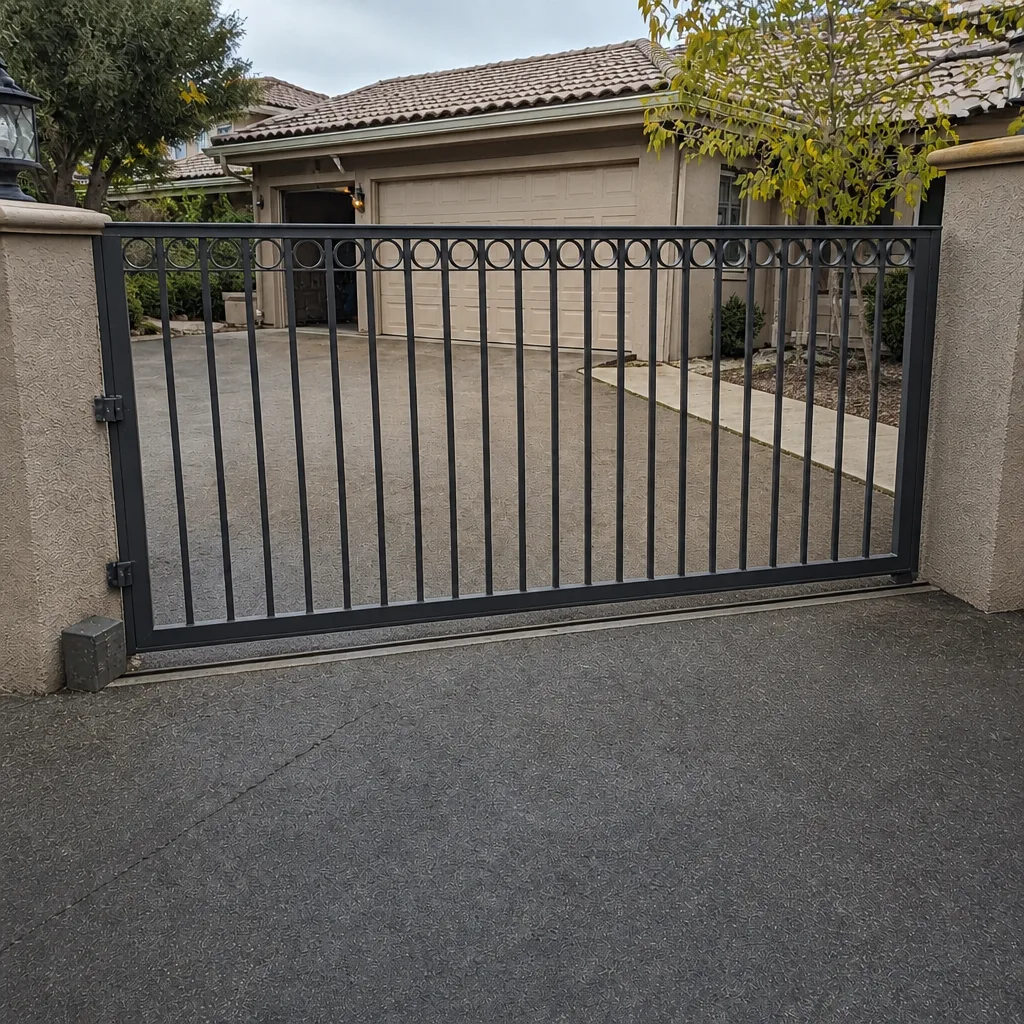
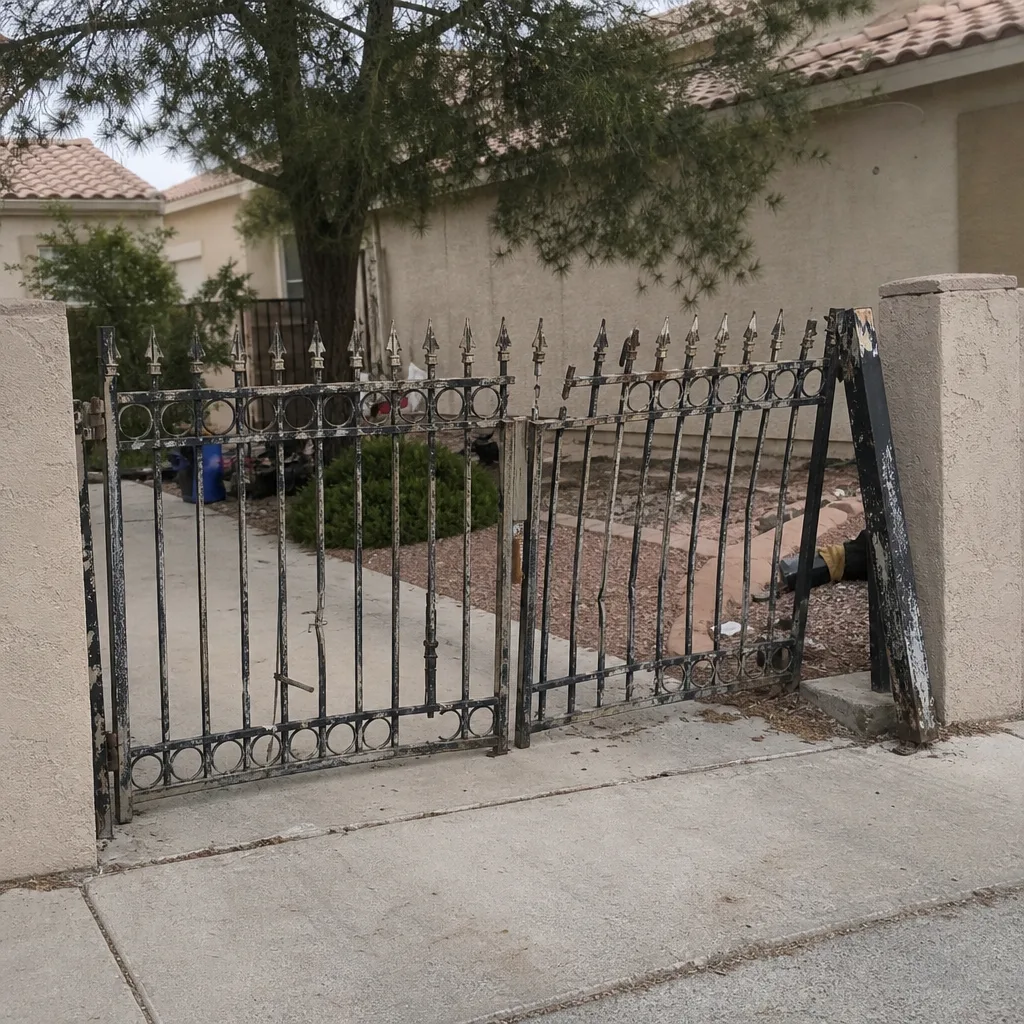
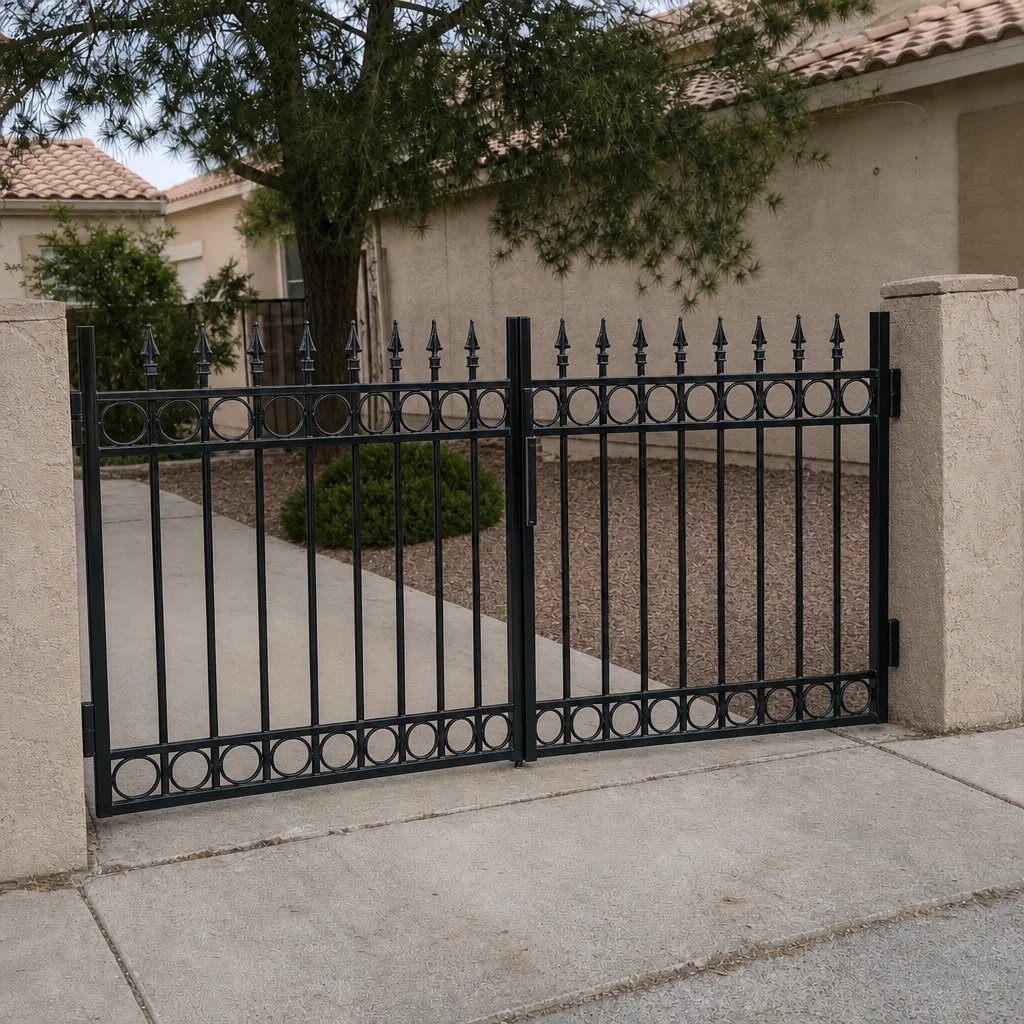
See the difference
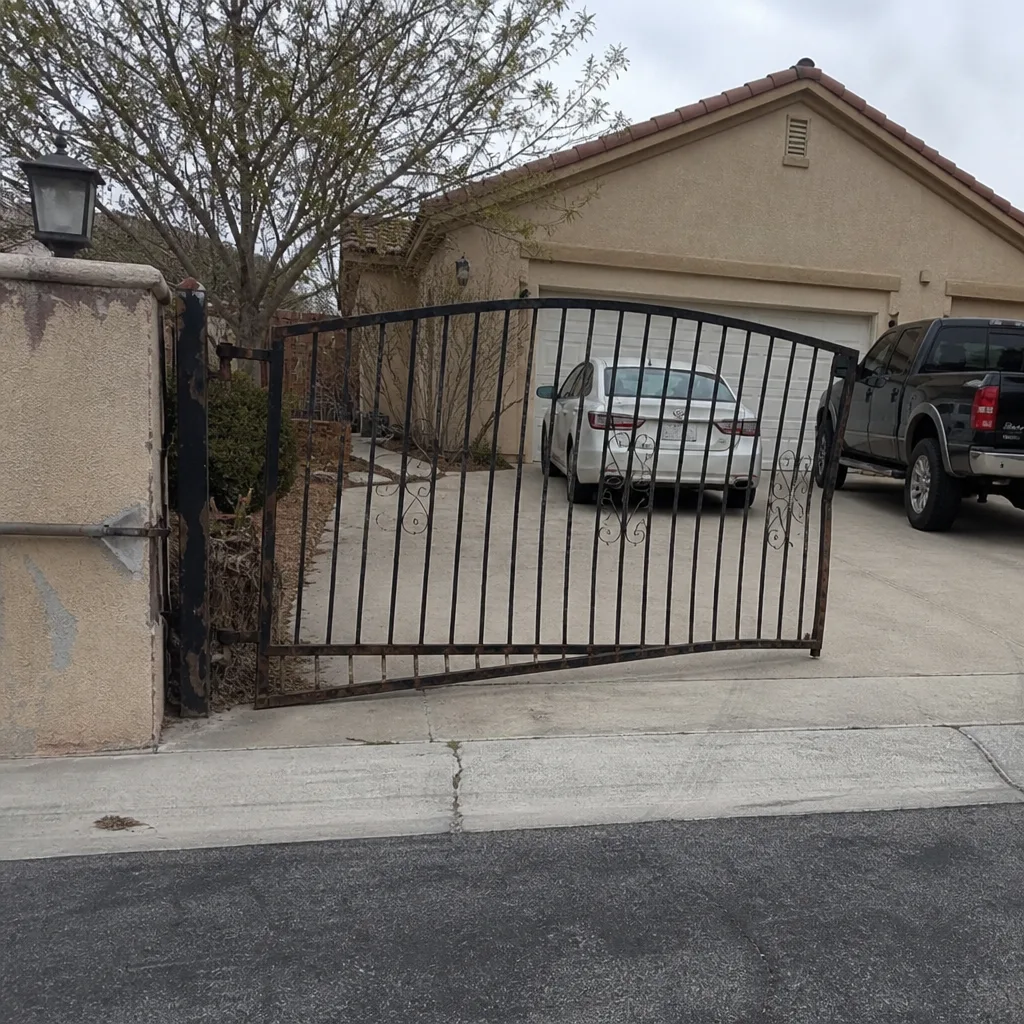 Before
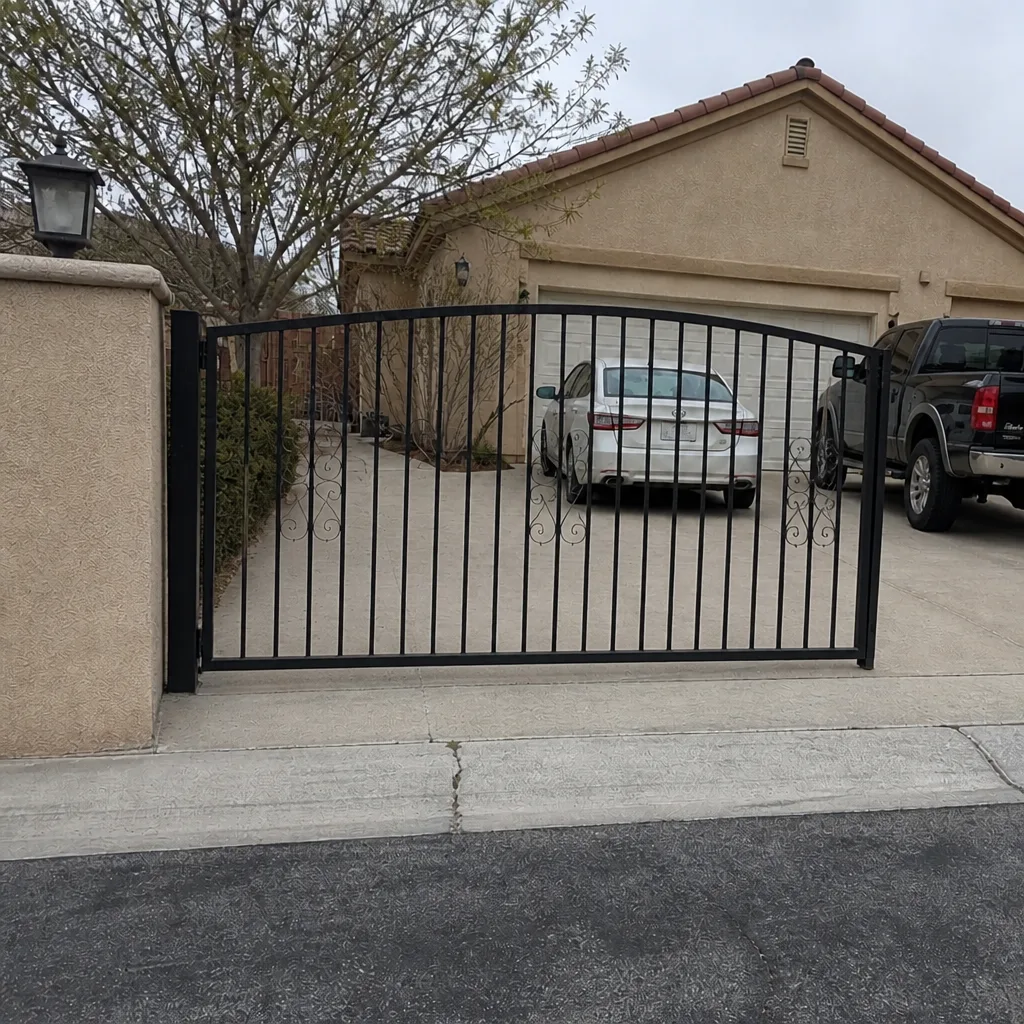 After
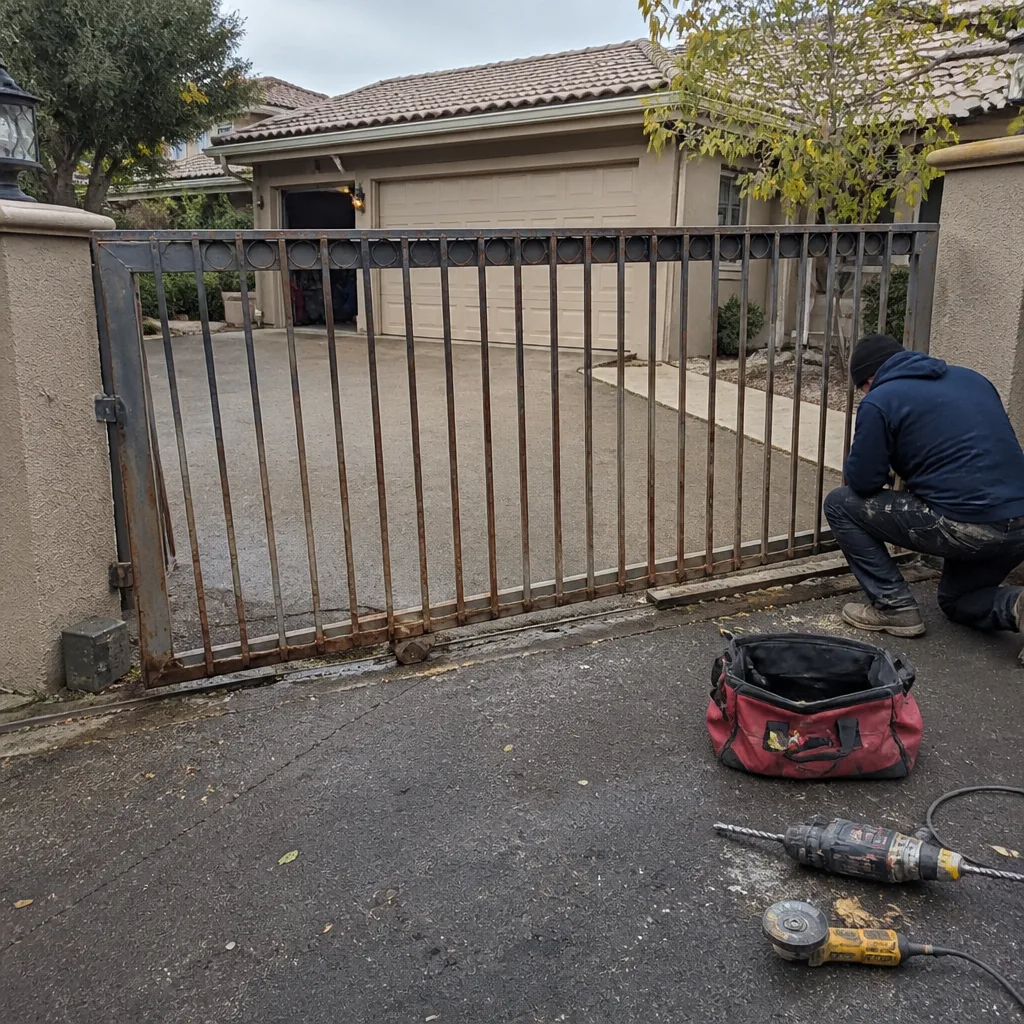 Before
 After
 Before
 After
When to Call a Professional
Call us when the gate won’t move by hand after the manual release is engaged. Call us when the motor trips a breaker more than once. Call us when the gate reverses in the middle of travel and won’t complete a cycle, when the safety edge or photo-eye keeps tripping after cleaning, when a weld shows a visible crack, when the backup battery dies and the gate can’t run without mains power, or when a lock setting needs to change and you’re not sure how. Those are symptoms that point to a real fault, not a reset. Ironworks Gate Co. Summerlin offers free estimates in Summerlin, and the price is settled in writing before any work begins. A live person answers our phone 24 hours a day, 7 days a week. Call (866) 623-9848 and we’ll get you on the schedule, or walk you through the manual release in the moment if that’s what the call needs.
Frequently Asked Questions
Cut power to the operator at the breaker, then try the manual release. If the gate moves freely by hand once disengaged, the fault is electrical (board, battery, photo-eye, or power supply). If it won’t move, the fault is mechanical and the gate should stay put until a technician sees it. Don’t force it, and don’t reset the breaker more than once. Call (866) 623-9848 for a free estimate on the repair.
It’s on the motor housing, under a flip-up cover or small access panel, and it requires a key or lever to turn. Exact location varies by brand. On Ghost Controls slide operators it’s typically on the gear side of the housing. On Mighty Mule swing operators it’s on the arm assembly. On Elite and DoorKing units it’s under a keyed panel on the housing. If you can’t find it, call us and we’ll help you identify it by phone.
Expect half the runtime on the spec sheet during a Summerlin summer. A battery rated for 40 cycles at room temperature may deliver 15 to 20 in 110°F heat with the operator in direct sun. Plan to test the battery once a year and replace it every two to three. A dead backup isn’t a problem until an outage, and that’s the worst time to find out. Call (866) 623-9848 for a backup retrofit quote.
Fail-safe is correct for a driveway gate where people need to exit during an emergency. Fail-secure belongs on a secondary pedestrian gate where security matters more than emergency egress. Many Summerlin homes have the wrong setting and don’t know it. Testing takes ten minutes. Correcting the setting is usually a same-visit job. Call (866) 623-9848 to schedule an inspection.
Post a laminated card at the keypad with the operator brand and model, the location of the manual release, whether a key is needed, and your emergency code or a note that a physical key is required. Also tell your alarm monitoring company what your gate does on power loss. It’s a single phone call that saves real minutes in an emergency. If you’d like help putting the card together, call us.
Often, yes. We keep our phone answered by a live person 24 hours a day, 7 days a week, and we dispatch Summerlin-area repair calls as fast as scheduling allows. Call (866) 623-9848 and describe what the gate is doing. We’ll tell you honestly whether it needs an emergency callout or a scheduled visit, and the price is confirmed in writing before any work starts.
The Bottom Line
A gate emergency is almost always a predictable failure. The manual release seizes because nobody tested it. The battery dies because nobody tested it. The lock setting is wrong because nobody checked it at install. Every one of those is preventable with an afternoon and the checklist above. If your gate is already stuck, start with the manual release and don’t force anything. If it’s not stuck yet, this week is the week to walk out to the keypad, find the release, and test it. Our team at Ironworks Gate Co. Summerlin home is here when a fault is past the reset stage. Call (866) 623-9848 for a free estimate, and we’ll make it right and back it in writing with our 90-Day Done Right Promise.
Written by the team at Ironworks Gate Co. Summerlin.