
Last updated November 17, 2026
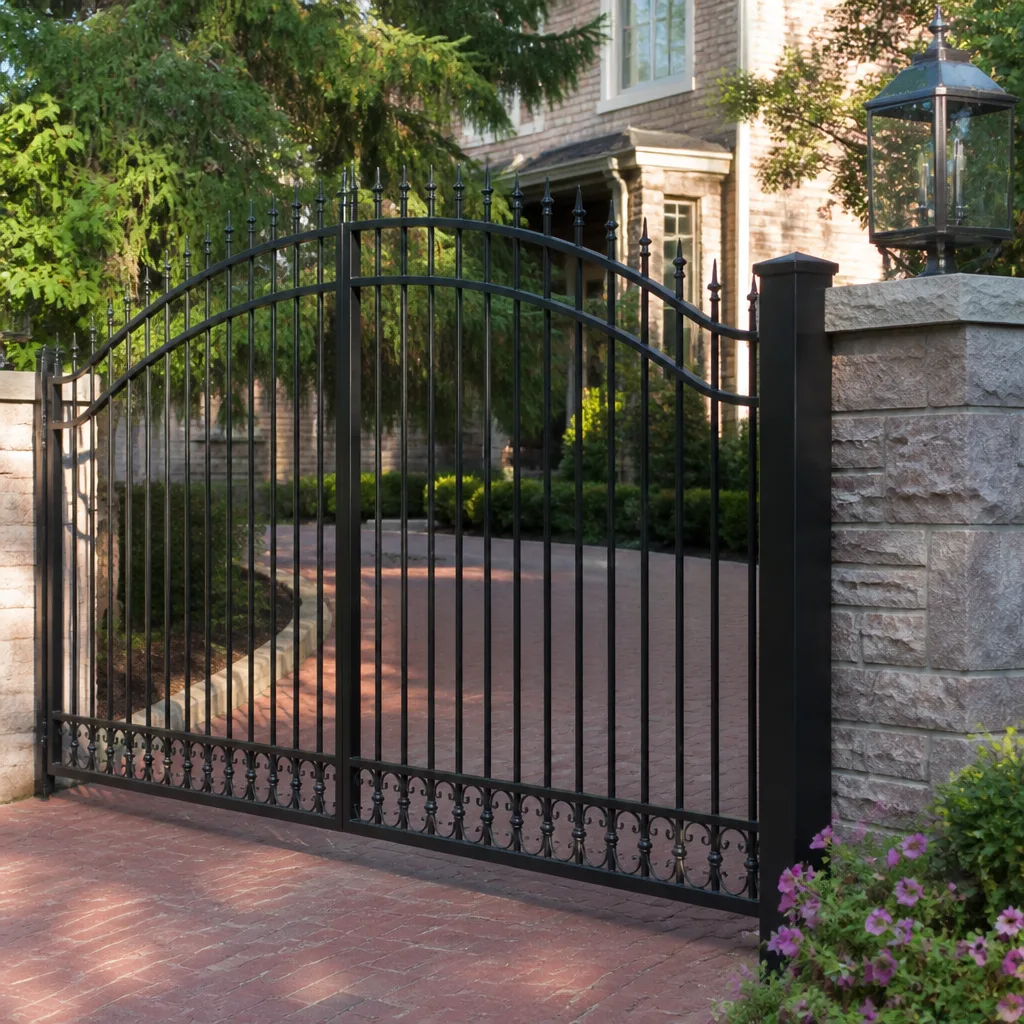 Wrought iron
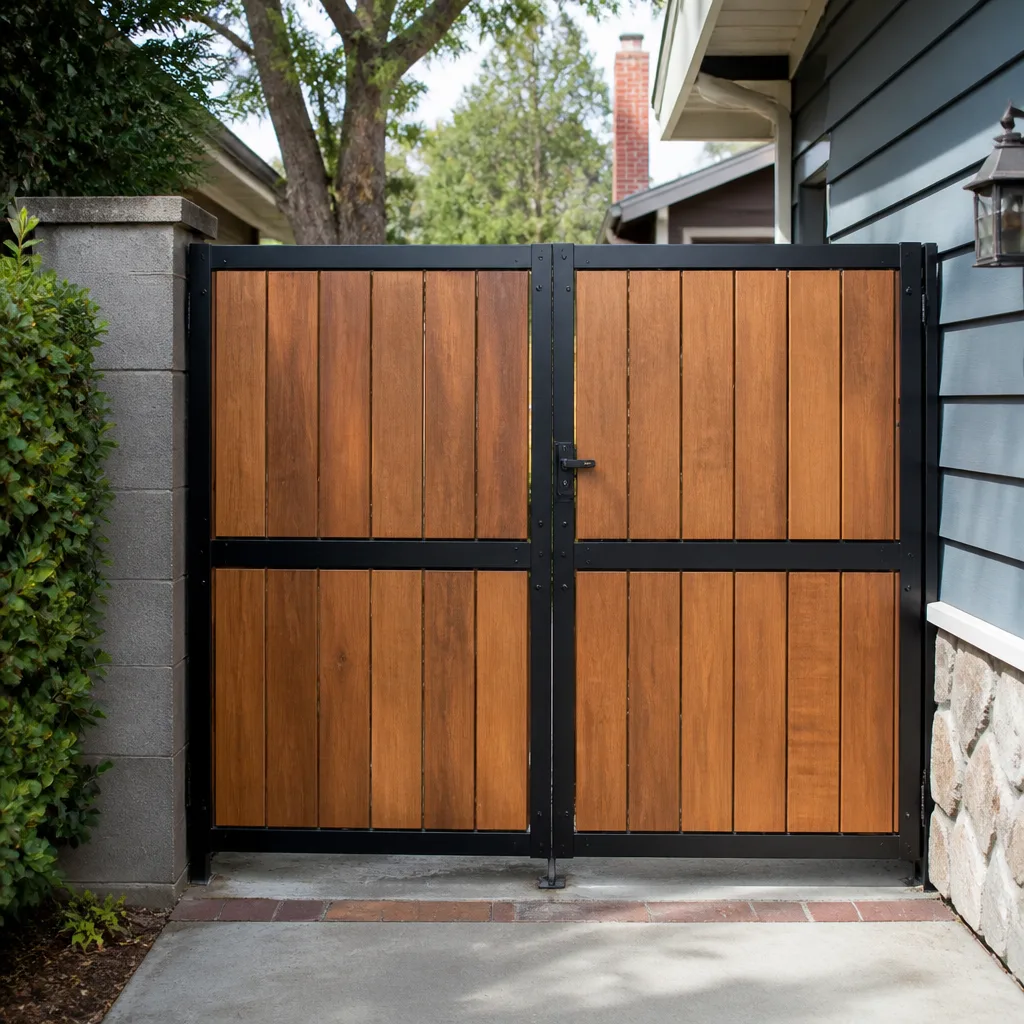 Wood & steel frame
 Farm & ranch
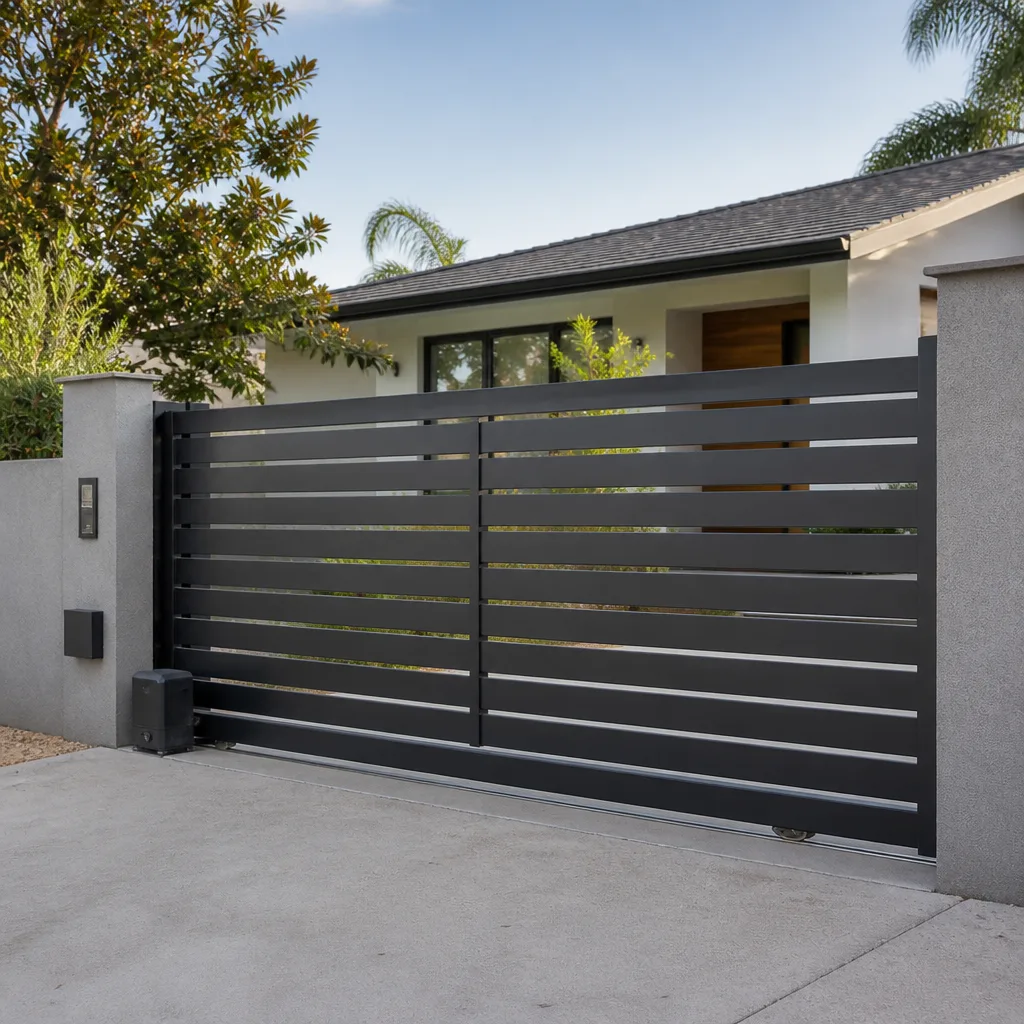 Sliding driveway gates
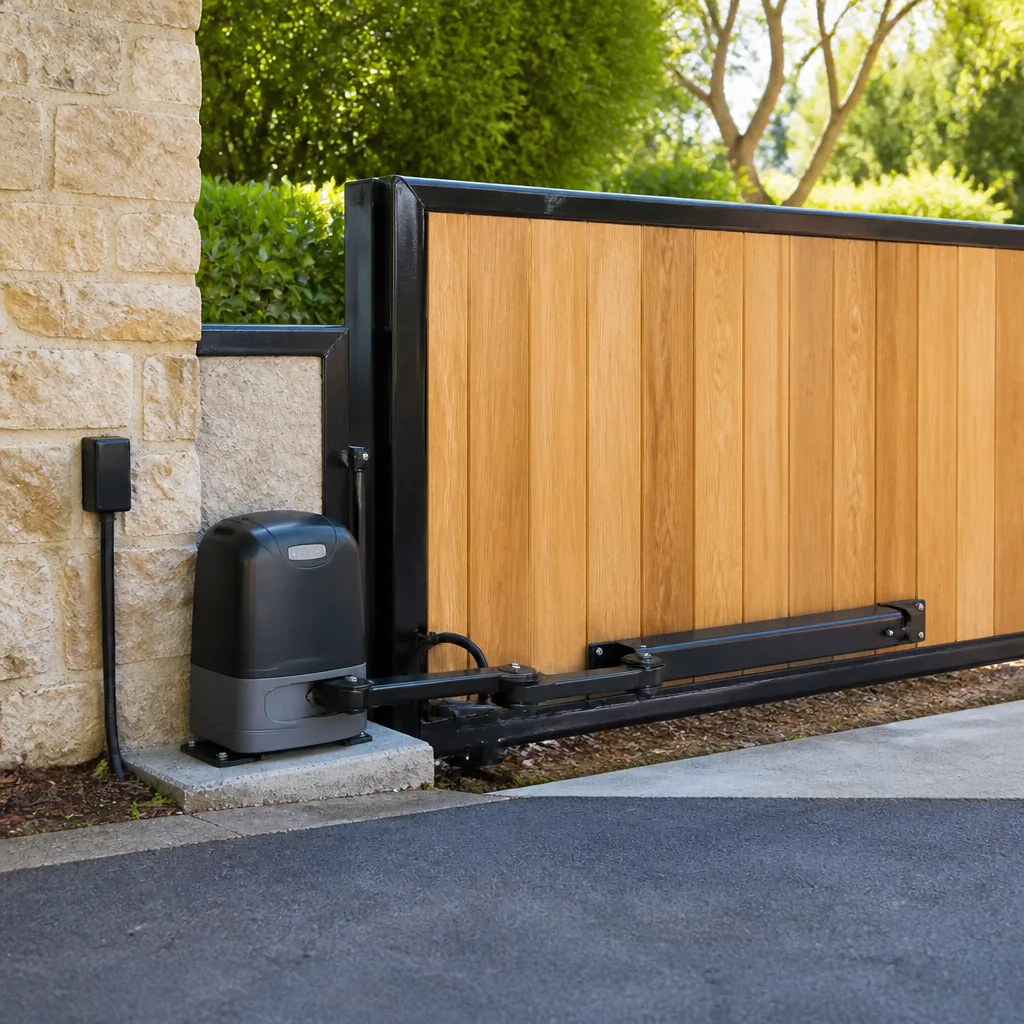 LiftMaster operators
Free on-site gate assessment - hinges, posts, and your LiftMaster or Nice gate operator checked before anything is quoted
The assessment is free and the quote is the invoice.
Get your free estimateGate Repair Maintenance Checklist for Summerlin Homeowners
The average residential gate in a Summerlin community cycles 8 to 12 times a day. That is roughly 3,500 open-close cycles a year on hardware most homeowners inspect exactly never. And those cycles happen in a place that is unusually hard on metal: summer afternoons that push 115°F, wind that carries alkaline caliche dust into every moving part, and HOA entries where the gate runs more in a week than a rural driveway runs in a month. This checklist is built around those pressures, not a national average. Read on and you’ll learn the eight checks that actually prevent the majority of gate service calls in Summerlin, which ones you can safely do yourself, and which ones can quietly void your opener’s warranty if you get them wrong.
Quick Answer
A working gate maintenance routine in Summerlin comes down to eight seasonal checks: dry-lubricate the hinges and rollers, clean and align the photo-eyes, clear caliche dust from the control board enclosure, inspect the post anchors on cantilever gates, test the manual release, check the battery backup, tighten the operator hardware, and look for weld cracks at the hinge plates. Two of those – photo-eye alignment and control board cleaning – prevent more local service calls than everything else combined, and both take under five minutes.
Styles & brands we work with
- Wrought iron
- Wood & steel frame
- Farm & ranch
- Sliding driveway gates
- LiftMaster operators
Table of Contents
- Why Summerlin Gates Wear Faster Than the Manual Says
- Lubrication: What Holds Up at 115°F and What Turns to Glue
- The Photo-Eye Drift That Happens Every Spring
- Caliche Dust, Control Boards, and the Cleaning That Saves Them
- The Cantilever Hinge Pattern That Warns You Six Months Out
- What You Can Check Yourself and What Void the Warranty
- The Summerlin Seasonal Schedule
- Common Mistakes to Avoid
- When to Call a Professional
- Frequently Asked Questions
Why Summerlin Gates Wear Faster Than the Manual Says
Gate hardware is designed and tested to a national average climate: moderate humidity, moderate swings, moderate dust. Summerlin is none of those. A gate on a west-facing wall in The Ridges can hit surface temperatures well above ambient by early afternoon, then drop forty degrees overnight. That thermal swing works on every fastener, weld, and slab anchor all year. Add wind-driven dust and the picture gets harder on moving parts.
The result is that maintenance intervals printed in an owner’s manual are usually too generous for a Summerlin gate. A manufacturer who recommends annual lubrication is writing for a climate where metal does not bake. Here, in our experience, the useful rhythm is seasonal: four passes a year at minimum, with a lighter check after any big dust event or monsoon blow-through.
The other difference is cycle count. HOA entries and shared driveway gates in Summerlin neighborhoods like Red Rock and The Trails run far more cycles than a private rural gate, so every wear surface arrives at failure sooner. A gate that opens and closes 12 times a day racks up cycles the manual never expected. That single fact is why the two tasks most generic checklists leave out – photo-eye alignment and control board cleaning – matter so much here. They are the two failure points a high-cycle, high-dust, high-heat gate reaches first.
Lubrication: What Holds Up at 115°F and What Turns to Glue
This is the first task most homeowners get wrong, and it’s not their fault. Standard chain and hinge lubricants are formulated for climates that don’t roast. In sustained desert heat they thin, run, and then collect the caliche dust blowing across the driveway. The mixture dries into a sticky paste that grabs more grit and slowly tightens the gate instead of freeing it. We see it constantly: a gate lubricated “properly” all year that has become harder to move, not easier.
The fix is a dry lubricant that doesn’t leave a wet film for dust to stick to. Here’s what holds up in a Las Vegas summer:
- Dry PTFE (Teflon) spray on hinges, rollers, and the operator’s pivot points. It goes on wet, dries to a dry film, and doesn’t attract dust.
- Silicone spray on exposed chains and sliding track surfaces, used sparingly.
- Graphite-based dry lube on stubborn hinge pins where a heavier film is needed, applied with a brush rather than a spray.
- Avoid heavy grease, WD-40 as a long-term lubricant, and anything that stays wet and tacky after it settles.
Apply in the morning when the metal is cool, wipe off excess, and reapply seasonally. Chain-driven FAAC and BFT operators respond well to this routine and run noticeably quieter afterward. For a deeper look at how these operators behave over time, our Gate Motor & Opener in Summerlin page covers the brand-specific quirks.
The Photo-Eye Drift That Happens Every Spring
Photo-eyes are the safety sensors that stop a gate from closing on a person, a pet, or a car. They work by firing an invisible beam across the opening between two small units. The beam has to line up within a fraction of an inch, or the gate thinks something is in the way and refuses to close – or worse, closes on it. Every spring in Summerlin, as concrete slabs shift with the temperature swing from cool nights to warm days, those mounting brackets move a hair. That is the source of a whole season of “my gate won’t close” calls.
Here is the 60-second check that catches it before it leaves you stranded at the keypad:
- Open the gate fully, then command it to close.
- Watch the two photo-eye units. Each should have a small indicator light, usually labeled “power” and “align” or “signal.”
- Check that both lights are solid, not blinking. A blinking align light is the classic sign the beam has drifted.
- If you’re comfortable doing so, loosen the bracket by hand, nudge the unit until both lights hold solid, and retighten snugly – don’t over-tighten and crack the housing.
- Interrupt the beam with your hand mid-close and confirm the gate reverses as it should.
If the beam can’t be aligned by nudging, a mounting bracket or slab anchor may have shifted – which is a repair, not an adjustment. That’s a job for a trained technician. This photo-eye check is the single highest-value item on the whole checklist, and it’s why so many gate repair calls turn out to be a five-minute alignment fix.
Caliche Dust, Control Boards, and the Cleaning That Saves Them
Caliche is the alkaline, mineral-heavy soil layer that underlies much of the Las Vegas Valley. When it dries out and the wind picks up, it turns into a fine, slightly caustic dust that settles into every crack on your property. Gate operators have plenty of cracks: the control board enclosure, the motor vents, the wire entry points. That dust lands on a control board, holds moisture during a rare rain, and slowly corrodes the low-voltage terminals. It’s a leading cause of mystery faults, keypads that quit responding, and operators that “just stop working” with no clear reason.
A seasonal cleaning extends board life by years. Do it carefully and with the power off:
- Turn the operator’s power off at the breaker before opening the enclosure.
- Use a soft brush or low-pressure compressed air – never a wet cloth or water – to clear dust from the board and terminals.
- Look for darkening, green or white residue, or swollen capacitors. Residue is the early sign of corrosion; it’s cheap to address now and expensive later.
- Confirm the enclosure gasket and cover seal are intact before closing it back up.
If you’re not comfortable inside an electrical enclosure – and many homeowners aren’t, which is the right instinct – leave it to a technician. Proper access control and operator care also means the keypad and any intercom wiring get the same attention, which our Gate Access Control in Summerlin page covers in more detail.
The Cantilever Hinge Pattern That Warns You Six Months Out
Single-post cantilever gates are common in Summerlin, particularly on shared driveways and lots where a track would be impractical. They open by rolling on a counterbalanced post without touching the ground, which makes them quiet, low-maintenance, and very sensitive to a specific kind of wear. Because the whole weight of the leaf rides on that one post’s hinge assembly, uneven bearing wear shows up months before the gate actually fails.
Here’s what to look for, and it’s worth a careful look once a season:
- The dropping tip: Stand at the opening end of a closed gate and sight along the bottom edge. If the far end has dropped, even a little, the hinge bearing is worn.
- Vertical wobble: Grip the leaf and lift. Any up-and-down play means the bearing or the pin is wearing.
- Fresh paint cracking: New cracks at the hinge weld plates are the metal telling you stress is concentrating there.
- Gritty sound on travel: A grinding note when the gate moves means the bearing has lost its lube and is chewing itself.
In our experience, that tip-drop is the pattern a knowledgeable technician reads as a serviceable hinge six months out. Caught early, it’s a hinge service. Ignored, it takes the weld plate and eventually the post with it – a much bigger repair. If the gate is already dropping, don’t wait for the season.
What You Can Check Yourself and What Void the Warranty
Some of this checklist is honest homeowner work. Some of it, done wrong, will void the manufacturer warranty on your opener. Knowing the line matters, because a $60 DIY “fix” can turn into a $600 board.
Safe for a careful homeowner:
- Visual inspection of welds, hinges, and post anchors
- Lubricating hinges and rollers with a dry lube
- Nudging a drifted photo-eye back into alignment
- Clearing debris and dust from the track or opening
- Testing the manual release and confirming the gate holds open
- Confirming the battery backup light and testing it during a mild outage window
Leave to a trained technician:
- Opening the operator control board enclosure (any water or force here can void the warranty)
- Adjusting force, speed, or travel limits in the operator’s programming
- Rewiring photo-eyes, keypads, or intercoms
- Repairing or re-welding hinge plates and post anchors
- Any work on the high-voltage side of the operator
Warranty voids happen most often when someone sprays a wet lubricant directly into an operator motor or tinkers with the force setting to fix a symptom instead of the cause. The force setting in particular is there for safety, not convenience. Whether you’re on a Linear or Viking operator, the manufacturer’s spec matters, and the fix is almost never “turn the force up.” When the gate is bigger than a surface adjustment, our Gate Repair in Summerlin page explains how a proper diagnosis works before anyone touches a wrench.
The Summerlin Seasonal Schedule
Here’s how to run this checklist across a Las Vegas Valley year. The timing isn’t arbitrary – each season plays to a specific local stress.
Spring (March – May): Photo-eye alignment is the priority, as slabs shift with the warming. Do the full mechanical inspection – hinges, welds, post anchors – while the weather is mild. Check the battery backup after winter, when an aging battery is most likely to have quietly died.
Summer (June – September): The hard season. Dry-lubricate hinges and rollers as the heat peaks, clear caliche dust from the control board area before monsoon wind arrives, and listen for any change in the operator’s sound. If a motor is going to struggle, it struggles now.
Fall (October – November): A good time for the full inspection again – post anchors, cantilever bearing play, and a full manual-release test. Also confirm the photo-eyes still hold their alignment before the cooler nights start their own shift.
Winter (December – February): Lighter duty. Check that the operator’s heater or thermal protection (if the model has one) is functioning, test the keypad and access control, and re-check the batteries in remotes and keypads.
An $89 seasonal tune-up is a good way to hit the two heavy seasons without remembering to do it. Between visits, use the checklist above as your own safety net.
Common Mistakes to Avoid
- Greasing everything. Heavy grease in Summerlin heat collects caliche and turns to paste. Use dry lubes instead.
- Adjusting the force setting to fix a stubborn gate. It masks the real problem (usually a worn hinge or a drifted photo-eye) and takes the safety margin out of the operator.
- Skipping the photo-eye check after a windstorm. Summerlin dust storms blow grit into the beam path almost every year – a wobbly gate is often just a dirty lens.
- Ignoring a small tip-drop on a cantilever gate. By the time the drop is obvious, the hinge repair has grown into a weld plate repair.
- Pressure-washing the operator or its enclosure. Water finds the control board and starts the corrosion that dust alone takes years to cause.
- Letting the battery backup sit uncharged for two years. In Summerlin heat, sealed batteries age fast – test them, don’t assume.
- Doing your own welding near the opener wiring. Heat and sparks near low-voltage wiring are how good boards die.
When to Call a Professional
Call a trained technician when the gate is dropping, wobbling, or dragging; when a weld crack has appeared at a hinge or post plate; when the photo-eye won’t hold alignment after a nudge; when the operator’s control board shows residue or faults; or when the gate has stopped reversing as it should during a safety test. Call immediately – do not keep operating it – if the operator makes a grinding or snapping sound, if the gate closes faster or harder than it used to, or if the manual release will not hold the gate open. A gate that won’t hold is a safety issue, not a nuisance.
For anything on that list, Ironworks Gate Co. Summerlin offers free estimates in Summerlin – call (866) 623-9848. We’re trained on the operators most Summerlin homes actually have, including FAAC and BFT units, and every job is backed in writing by our 90-Day Done Right Promise.
Frequently Asked Questions
Inspect your gate four times a year – once per season – because Summerlin’s heat, dust, and high cycle counts wear hardware faster than a national average. At minimum, do the photo-eye check every spring and a dry-lube pass at the start of summer.
A gate that won’t close usually has a drifted photo-eye or a dirty sensor lens, not a motor problem. Check that both photo-eye indicator lights are solid rather than blinking, and clean the lenses. If the lights won’t hold, the mounting bracket may have shifted and needs a technician.
Yes – lubricating hinges and rollers with a dry PTFE or silicone lube is a legitimate homeowner task. Never use heavy grease or wet spray in this heat, and never spray lubricant into an operator motor or control board enclosure.
Caliche is the alkaline, mineral-heavy soil that underlies much of the Las Vegas Valley, and when it blows as dust it settles into control board enclosures and slowly corrodes the electronics. A seasonal brushing with the power off extends board life by years.
Most Summerlin gate repairs fall in the $180 to $650 range depending on whether it’s an alignment, a hinge service, or an operator or board repair. We quote and agree the price before any work starts, so there are no surprises on the bill. Call (866) 623-9848 for an exact quote – estimates are free.
Yes – installation work, including the power run, safety edges, and access control, is scheduled work we measure and price in writing, not a same-day dispatch. A full installation includes the gate leaf, operator, safety devices, wiring, and a commissioning test. Call (866) 623-9848 to book a free measure and written estimate.
The Bottom Line
Your Summerlin gate is asked to do more than the manual expects: more cycles, more heat, more dust, and more thermal swing than the average owner. The checklist above answers that with two forgotten tasks – photo-eye alignment and control board dusting – that prevent most local service calls, plus the dry lubrication, cantilever hinge watch, and battery testing that keep the rest of the hardware ahead of failure. Do the homeowner-safe items each season, hand the rest to a technician, and the gate keeps closing like the day it was hung. When it needs more than a checklist, call (866) 623-9848 for a free estimate. Start with our Ironworks Gate Co. Summerlin home page, or plan ahead with Gate Installation in Summerlin.
Written by the team at Ironworks Gate Co. Summerlin.
See the difference
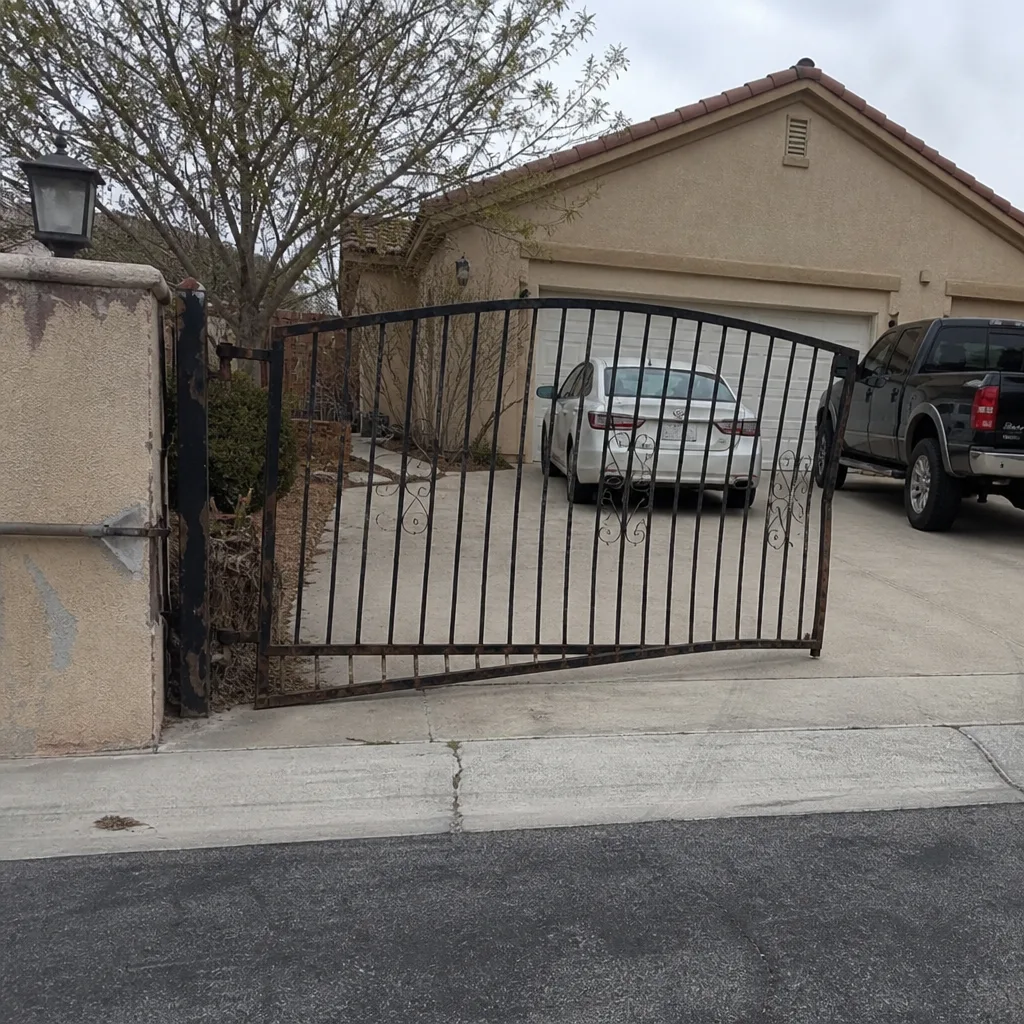 Before
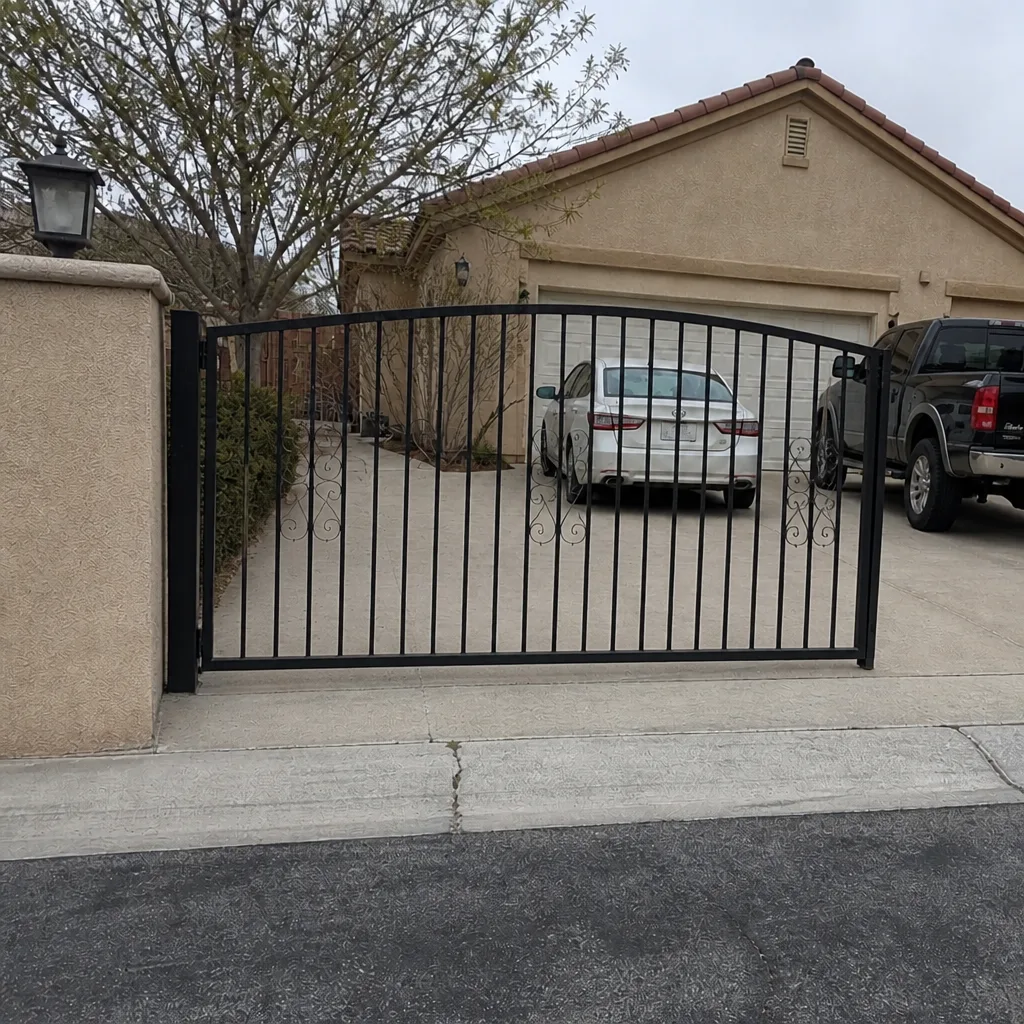 After
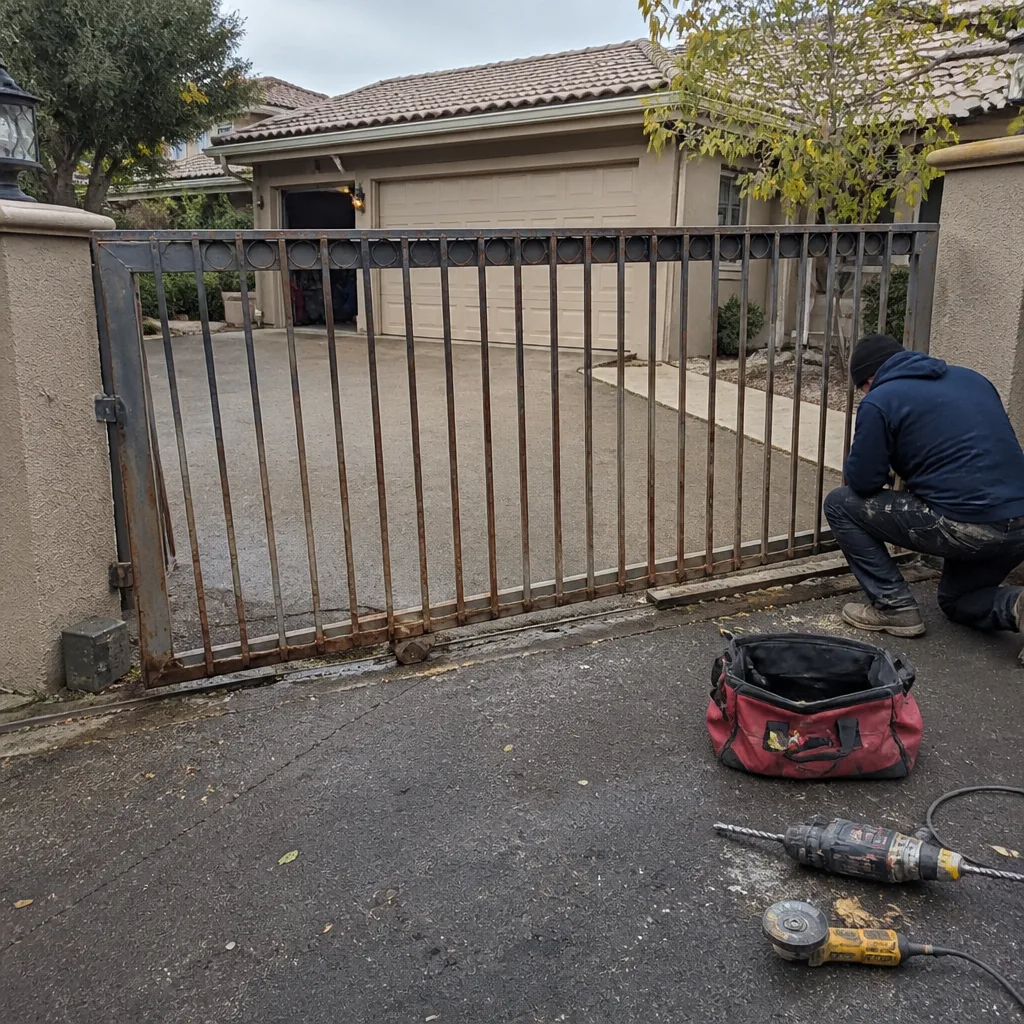 Before
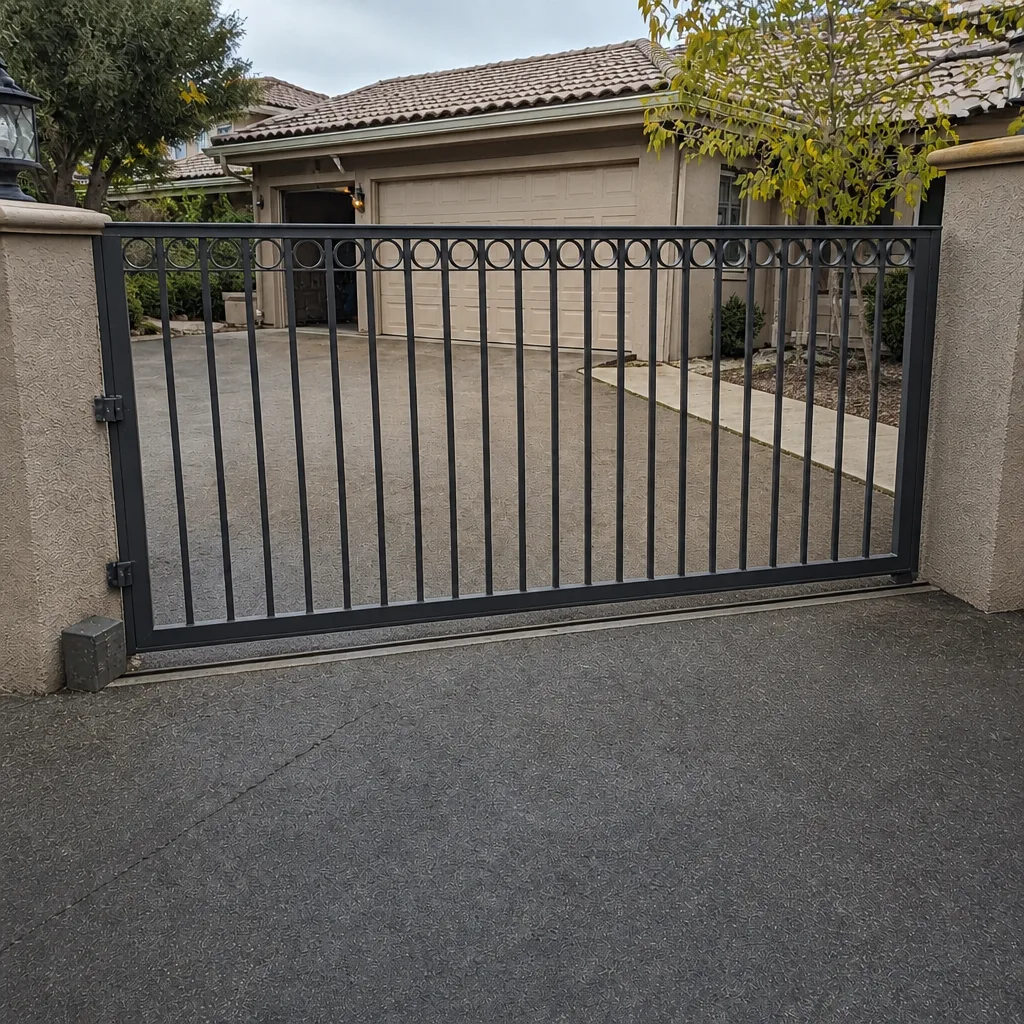 After
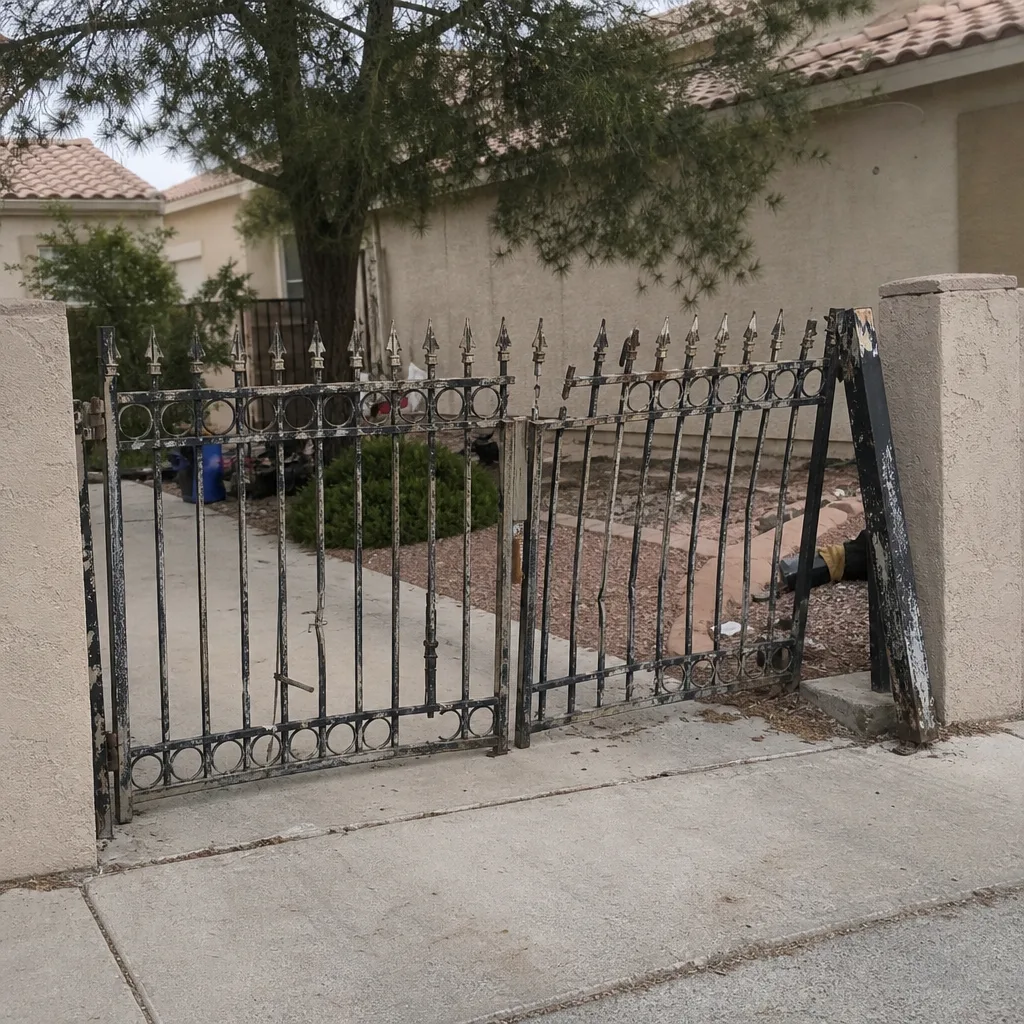 Before
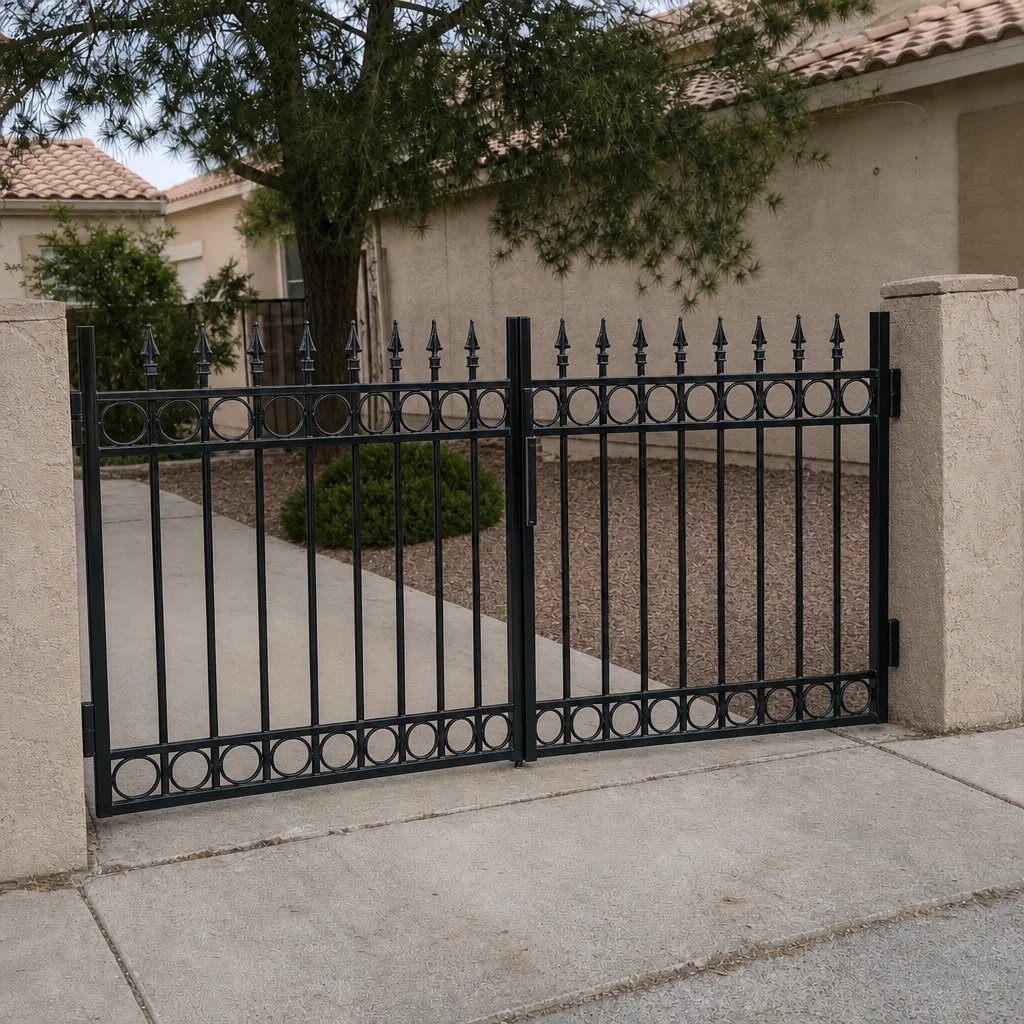 After