
Last updated November 17, 2026
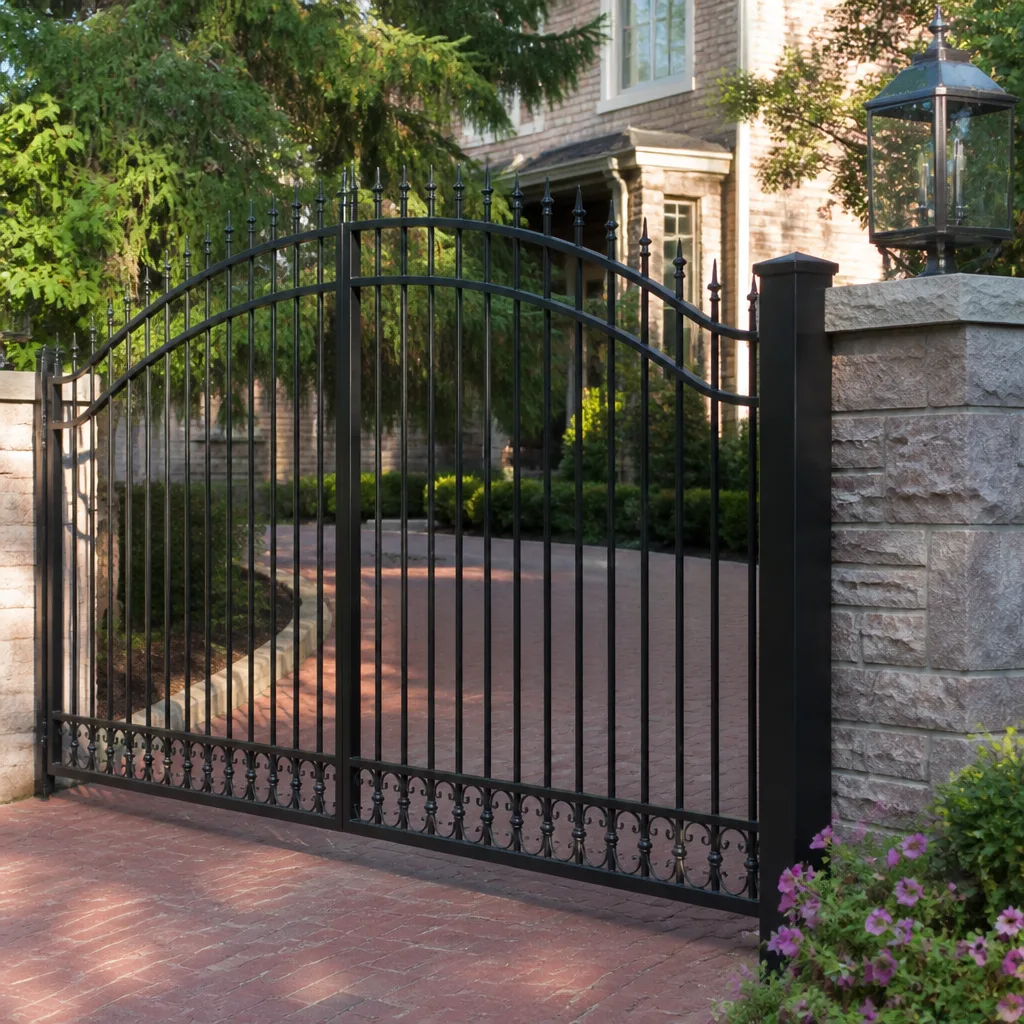 Wrought iron
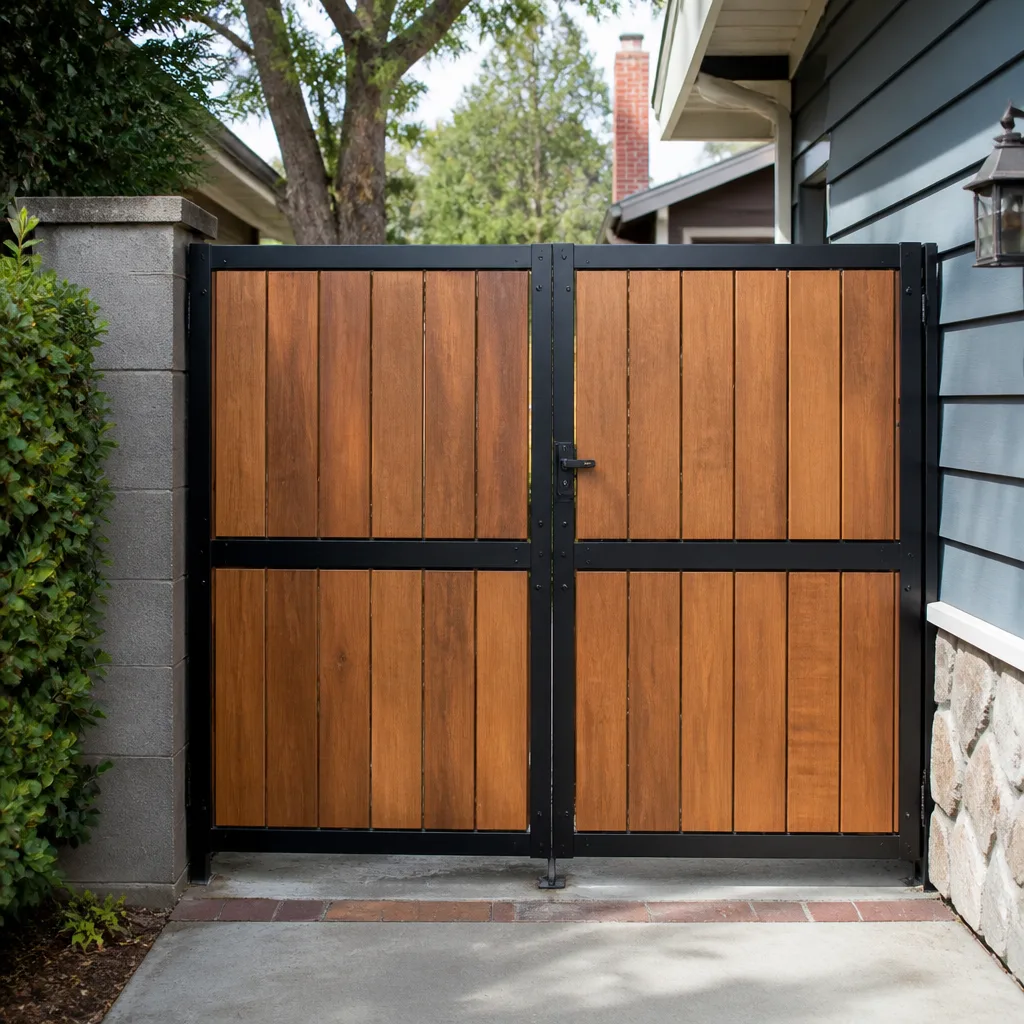 Wood & steel frame
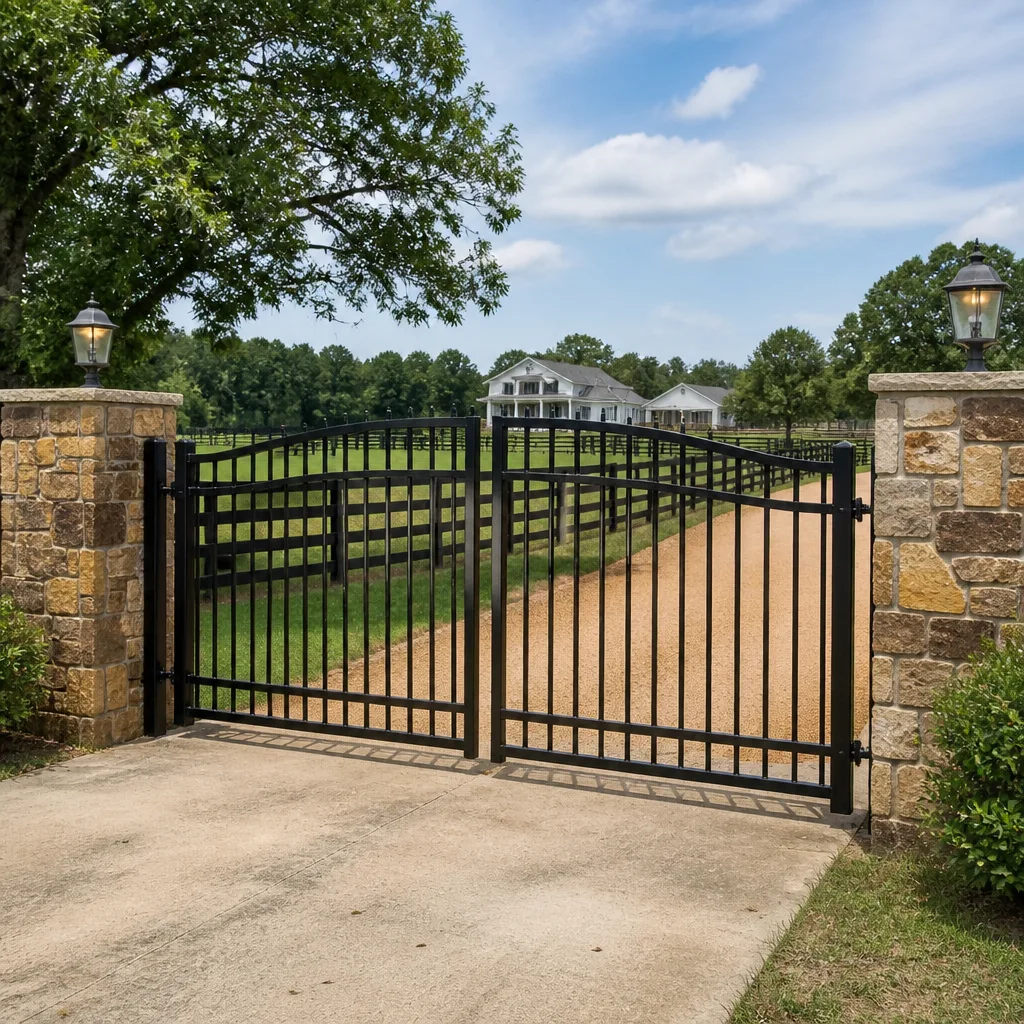 Farm & ranch
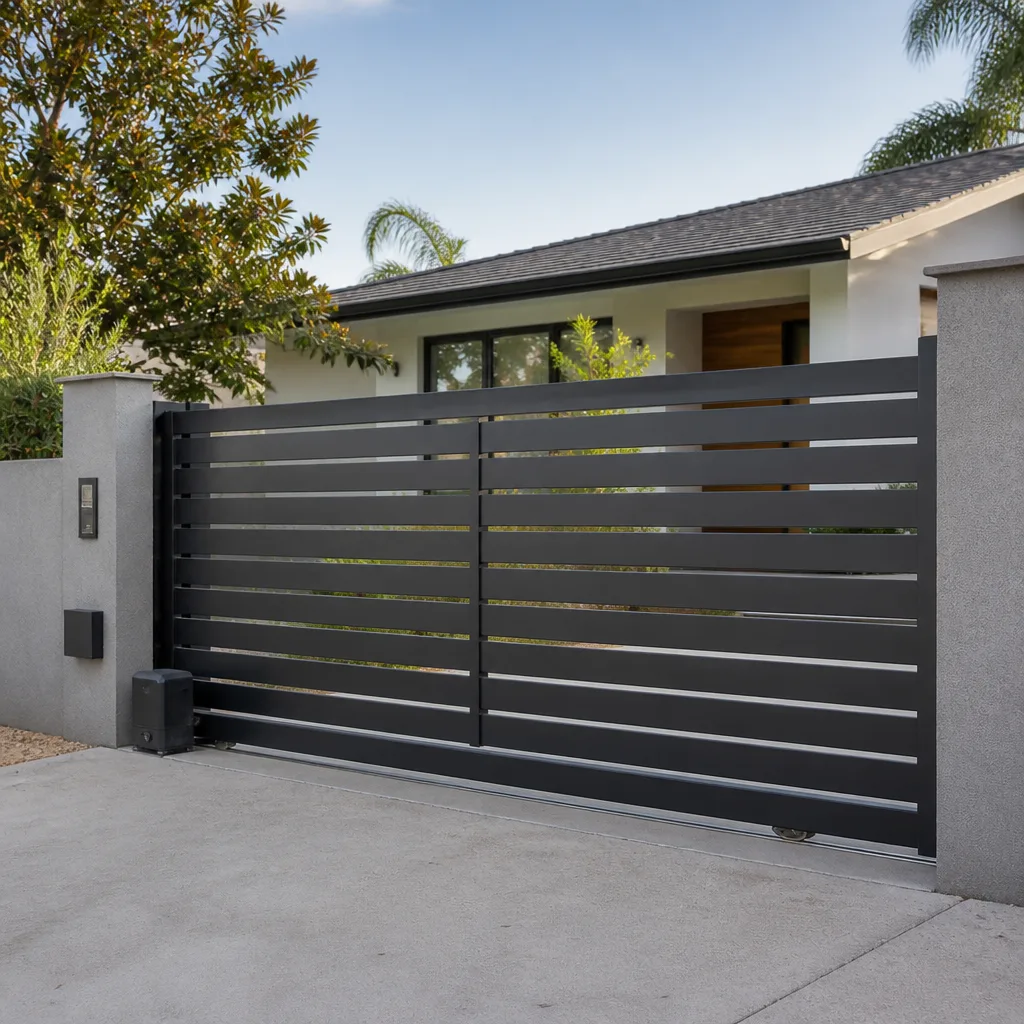 Sliding driveway gates
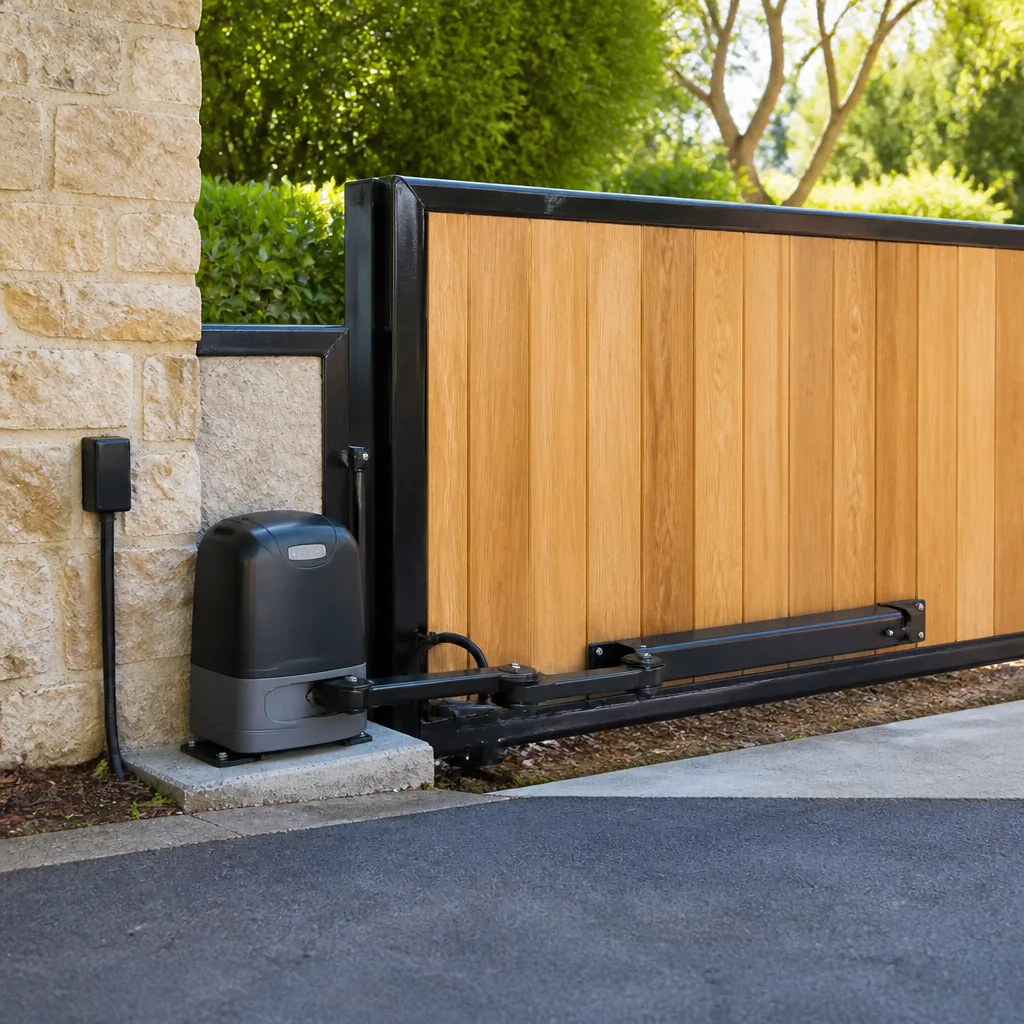 LiftMaster operators
Free on-site gate assessment - hinges, posts, and your LiftMaster or Nice gate operator checked before anything is quoted
The assessment is free and the quote is the invoice.
Get your free estimateGate Repair Permits, Codes & Inspections in NV: What You Need to Know
The repair that needs no permit and the modification that triggers a Clark County review can look identical on a contractor’s invoice. The difference is not the cost. It is whether the gate’s footprint, height, or electrical service changed. In our experience across Summerlin, the confusion almost always starts at the same place: a homeowner books a “repair,” and a few weeks later the scope quietly becomes an alteration. This guide draws that line clearly, so you aren’t surprised mid-project or at resale. We’ll walk through Clark County thresholds, Summerlin CC&Rs, Nevada electrical rules, inspection realities, and who should pull the permit.
Quick Answer
In Nevada, routine gate repair generally does not require a building permit, but any alteration that changes the gate’s footprint, height, or electrical service does. In Summerlin, master-planned community CC&Rs sit on top of Clark County code and can require HOA approval even for a like-for-like gate replacement. When electrical circuits change, a licensed electrical contractor is required by Nevada code.
Styles & brands we work with
- Wrought iron
- Wood & steel frame
- Farm & ranch
- Sliding driveway gates
- LiftMaster operators
Table of Contents
- Where repair ends and alteration begins
- Clark County thresholds that trigger a permit
- How Summerlin CC&Rs layer on top of county code
- Nevada electrical rules and gate operator wiring
- What an inspection actually checks
- The resale problem: unpermitted gate work
- Who should pull the permit, and why it matters
- Common mistakes to avoid
Where repair ends and alteration begins
Most homeowners assume a gate repair is permit-free, and most of the time they’re right. Swapping a failed opener motor, replacing a hinge, re-welding a sagging frame, adjusting a photo-eye: these are repairs. No permit. No inspection. No county review.
The line moves when the work changes one of three things: the gate’s footprint on the property, the gate’s total height, or the electrical service feeding the operator. Change any of those and you’ve typically crossed from repair into alteration, which is the point Clark County wants to see plans for.
Consider two invoices that look almost identical. Both say “replace gate.” On one, the new gate matches the old gate’s opening, height, and hardware. On the other, the opening is wider by a foot, or the posts are set deeper into different soil, or a new circuit was pulled to feed a heavier operator. The first is a replacement. The second is an alteration. Same words on paper, very different permit obligations.
What we’ve seen repeatedly in Summerlin: a homeowner asks for a “repair” because the old gate is failing, and the honest answer is that the gate has reached the end of its service life. That conversation is where the permit question should surface, not two weeks into the job. Here’s the general breakdown:
- Usually repair, no permit: motor swap, spring or hinge replacement, weld repair, photo-eye or safety-edge replacement, keypad or receiver swap on an existing circuit, paint and finish.
- Usually alteration, permit likely: widening the opening, raising the gate height, replacing posts to a different depth or specification, adding a new circuit or subpanel, changing the number of gate leaves.
- Grey zone: full like-for-like replacement where the gate spec matches but the posts are re-set. Depth matters here, and it’s where a lot of contractors guess.
If the work sits in that grey zone, ask the contractor directly: “Does this change the footprint, height, or electrical service?” If they can’t answer in plain language, that’s your signal to get a second look before signing.
Clark County thresholds that trigger a permit
Clark County’s building department treats a gate alteration like any other structural or electrical change to a property: it wants to see the scope. The specific thresholds we see trip up Summerlin homeowners most often:
- Post replacement depth. If the posts are re-set deeper than the original or set into different soil conditions, the county can read that as a structural change. The gate moves from a repair to an alteration.
- Height changes. Raising the gate by even a few inches changes its profile and its wind-load characteristics. That’s an alteration.
- Opening width. Widening the gate to fit a larger vehicle, a wider driveway apron, or a different swing pattern is an alteration.
- Electrical circuit changes. Adding a dedicated circuit, changing the voltage feeding the operator, or running new conduit from the panel qualifies as an electrical alteration in most cases.
- Operator or automation changes on a new circuit. Swapping a DoorKing unit for a heavier LiftMaster on the existing circuit is often a repair. Running a new circuit for the heavier unit is the threshold moment.
Notice what’s not on the list: cosmetic changes. Paint, finish, hardware replacement, welding a split seam, swapping a keypad receiver to an Elite unit: all repair territory. The county cares about what changes the structure or the electrical service, not what keeps the gate working.
Summerlin’s mix of desert soil and seasonal expansion is worth flagging here. Posts that were set correctly in original construction can shift over twenty-plus years, and a contractor’s first instinct is often to re-set them deeper. That’s the right instinct, but it’s also the moment to confirm whether the county reads it as a repair or an alteration before the backhoe arrives. Ask the question first.
How Summerlin CC&Rs layer on top of county code
Summerlin is a master-planned community, which means the county’s building code is only half the story. The Summerlin Community Association and the individual village associations each enforce Covenants, Conditions, and Restrictions (CC&Rs). Those CC&Rs can require homeowner approval for gate changes that would be entirely legal under Clark County code.
The most common surprise: a like-for-like replacement. Same height, same style, same finish, same manufacturer. Clark County would call it a repair. The village association may still want an architectural review, especially if the gate is visible from the street or shares a view line with a neighbor. This is why we tell homeowners to call the community association before calling us for certain jobs.
Here’s the pattern we’ve seen across Summerlin villages:
- Interior courtyard gates are usually the easiest. Limited street visibility means fewer architectural review requirements.
- Driveway entry gates are the most scrutinized. Style, height, finish, and visibility all factor in, and the village association wants documentation.
- Side-yard and service gates sit in between. Visibility from the street drives most of the requirement.
- Any change in style or finish almost always needs a submittal, even if it feels minor.
The practical rule: county code sets the floor, and Summerlin’s CC&Rs set the ceiling. Both apply. If you’re replacing a gate that’s visible from the street, expect an architectural submittal even when a permit isn’t required. It’s a short form and a wait of a couple of weeks, and doing it upfront saves a much longer conversation at resale.
We’ve seen a Summerlin homeowner install a beautiful new driveway gate matching the original footprint, fully compliant with county code, and then get flagged by the association because the finish shifted from satin to textured matte. That’s the layer most contractors don’t think to ask about. Ask your contractor whether they know your village’s review requirement. If they don’t, it’s worth one call to the association before work starts.
Nevada electrical rules and gate operator wiring
Nevada follows the National Electrical Code as its baseline. For gate operators, the distinction that matters most is low-voltage versus line-voltage wiring, and it decides whether a general gate contractor can run the wire or a licensed electrical contractor must be involved.
Low-voltage control wiring (the photo-eyes, the keypad signal, the safety-edge circuit, any control signal between the operator and the gate) is typically handled by the gate technician. It runs at low voltage and doesn’t require a licensed electrician in most residential installations. The operator itself, running on line voltage from the property’s panel, is a different matter.
When work includes a new circuit or a change to the existing service feeding the operator, that work belongs to a licensed electrical contractor. Adding a subpanel, pulling a new branch circuit, changing the voltage, or repositioning the operator’s power source are all electrical work. The gate technician should install and program the operator. The electrician should run the supply. On jobs that need both, we sequence them so the electrician’s work is inspected and signed off before the gate itself goes live.
Two practical points that come up in Summerlin:
- Permit coverage. When a new circuit is required, the electrical permit is often pulled by the electrician, not the gate company. That’s fine, but someone has to own the timing so the inspection happens before the gate is powered up.
- Older panels. Summerlin has plenty of homes now twenty-plus years old, and some panels are near capacity. Before running new conduit from a panel to the driveway, have the panel checked. A lift motor on a Mighty Mule or similar light-duty operator may be fine on the existing circuit. A heavier LiftMaster or DoorKing unit may not be.
If you’re not sure which side of the line your job falls on, ask whether the scope includes any change to the panel, the circuit, or the supply voltage. If the answer is yes, get an electrician’s sign-off. It’s not a technicality.
What an inspection actually checks
When a gate alteration does require a permit and inspection, the inspection is usually narrower than homeowners expect. It checks the structural integrity of the posts and gate frame, the safety devices on the operator, and the electrical connection. It does not check the aesthetics or the craftsmanship.
Here’s what inspectors look at, in our experience:
- Post depth and anchoring. Did the new posts meet the specified depth and anchoring for the soil and gate weight?
- Gate height and clearances. Does the installed gate match the plan and clear the ground and surrounding structures?
- Safety devices. Are the photo-eyes aligned, the safety edges functional, and the operator’s obstruction sensing working? Nevada follows the UL 325 standard for gate operator safety devices.
- Electrical connection. Is the operator wired to code, and is the supply circuit on its own appropriately sized breaker?
- Warning signage. Are the required safety placards and moving-gate warnings in place?
What often trips up an inspection: safety devices treated as an afterthought. A gate that works perfectly but has photo-eyes misaligned or a safety edge that doesn’t trigger fails inspection. These are cheap parts and quick fixes, but only if they’re installed in the first place.
The other common failure: a gate that matches the plan in width and height but not in actual post depth because the contractor “improved” the set during installation. The inspector sees a gate that doesn’t match the approved plan. The gate works fine. It still fails, and re-work is on the homeowner’s dime if the scope wasn’t clear upfront.
The resale problem: unpermitted gate work
Here’s where a casual repair decision can come back years later. Unpermitted gate modifications often sit quietly until home inspection, and then they surface as a closing-delay problem for the seller.
Home inspectors don’t catch every unpermitted change, but they catch the obvious ones: a gate footprint that doesn’t match the county’s record, a new circuit that has no permit trail, a gate that’s visibly taller than the neighboring properties. In Summerlin, where lot lines and architectural consistency are tightly enforced, inspectors and appraisers both look carefully.
If the sale is already in motion and an unpermitted gate comes up, the practical path forward:
- Disclose upfront. If you know the gate was altered without a permit, disclose it. Buyers forgive a disclosure. They don’t forgive a surprise at the inspection table.
- Ask for a permit-after-the-fact. Clark County has a path to permit an existing structure. It costs more than doing it right the first time, but it converts an unpermitted job into a legal one.
- Get a licensed contractor’s written opinion. If the work was done correctly but unpermitted, a written assessment from a licensed gate contractor carries weight with buyers and their agents.
We see this pattern most often in Summerlin homes that changed hands once or twice over the last two decades, where a previous owner upgraded the gate and didn’t leave paperwork. It’s not rare. It’s just usually invisible until the sale.
Who should pull the permit, and why it matters
The permit question has a liability dimension that most homeowners don’t think about until something goes wrong. If a permit is required and not pulled, the homeowner is generally the one the county holds responsible, because the homeowner owns the property and the code violation sits on their title.
The cleaner arrangement: the contractor who is performing the alteration pulls the permit under their license, and the homeowner signs the authorization. That puts the paperwork, the inspection coordination, and the code compliance on the contractor’s side of the ledger.
When we take on a gate alteration in Summerlin, here’s the sequence we follow:
- Confirm the scope in writing. Is this a repair or an alteration, and which side of the line does it sit on?
- Confirm who is pulling the permit. Us, the electrician, or in rare cases the homeowner for a self-managed piece.
- Submit the HOA architectural review if required by the Summerlin village association. This can run in parallel with the county permit.
- Schedule the work in the right order so the electrician’s inspection happens before the operator is energized.
- Keep the paperwork together and hand a copy to the homeowner with the final invoice. That copy matters at resale.
What we don’t do: tell a homeowner “it’s fine, this is just a repair” when we know the scope crosses the line. That short conversation upfront is worth much more than the job it saves.
Common Mistakes to Avoid
- Assuming all repairs are permit-free. Most are. Many aren’t. Confirm the scope before signing anything, especially if posts are being re-set or a new circuit is being added.
- Skipping the HOA submittal on a like-for-like replacement. Even when a Summerlin driveway gate matches the original, the village association may still want an architectural review. Submit first, install second.
- Letting the gate contractor run a new electrical circuit. Low-voltage control wiring is gate work. New line-voltage circuits, subpanels, and service changes belong to a licensed electrician.
- Not keeping the paperwork. Permit approvals, inspection reports, and HOA sign-offs go in a file folder. When the house sells, that folder is the difference between a smooth closing and a re-opened permit.
- Trusting an inspection to catch craftsmanship issues. Inspectors check structure, safety devices, and electrical. They don’t check hinge welds or alignment. That’s why the 90-Day Done Right Promise matters more than the inspection sticker.
- Assuming a contractor’s permit knowledge is current. Clark County’s thresholds and Summerlin village requirements shift over time. Ask the contractor when they last handled a similar alteration in your village.
- Ignoring a gate’s age on a replacement decision. A gate that’s twenty-plus years old may need alteration work by nature of the replacement, not just a like-for-like swap. That’s the moment to check permits, not the moment to skip them.
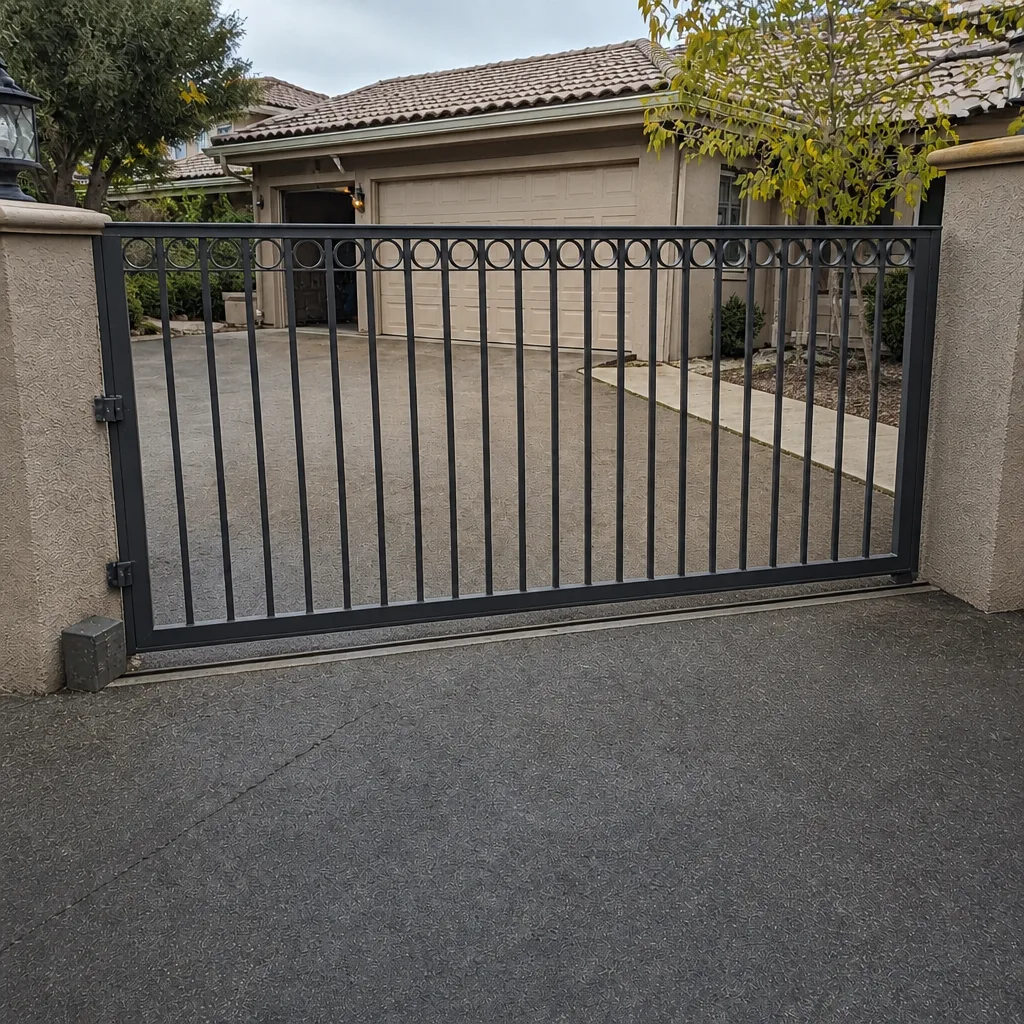
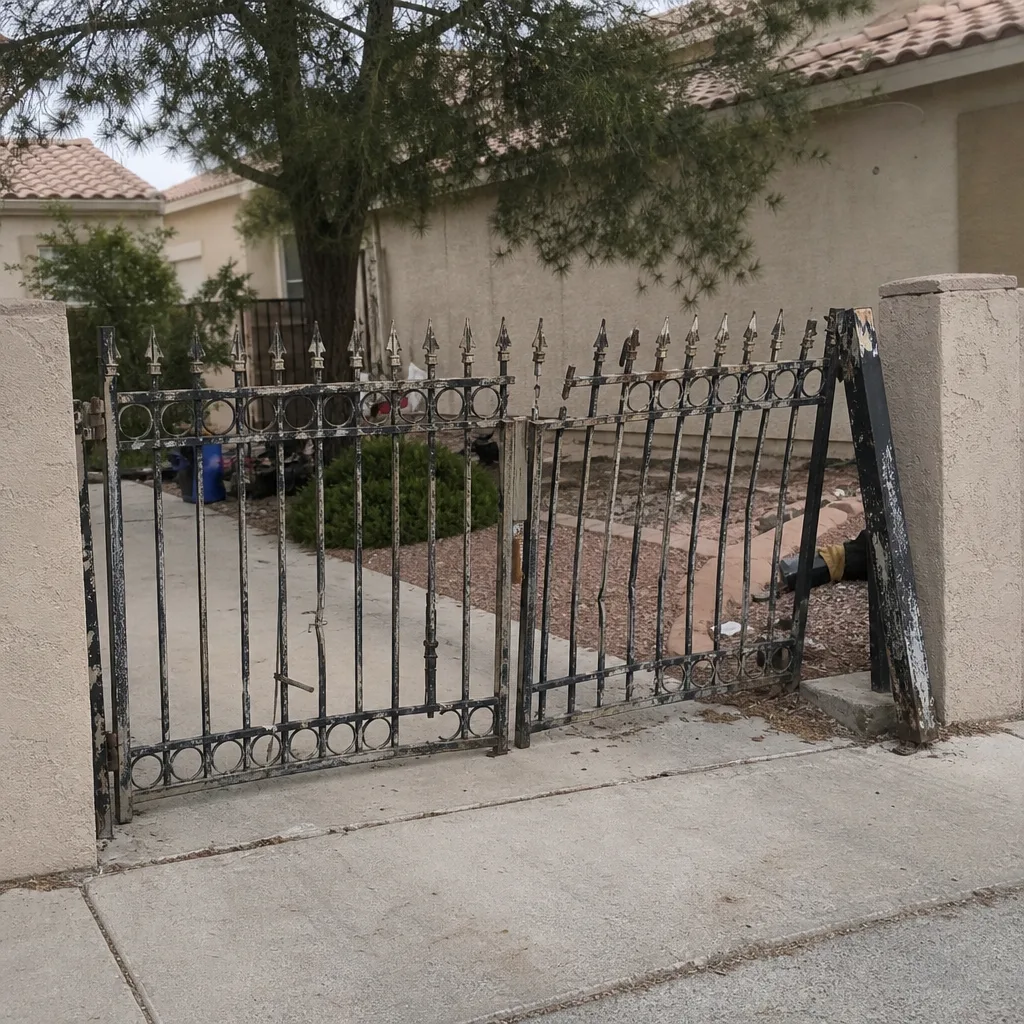
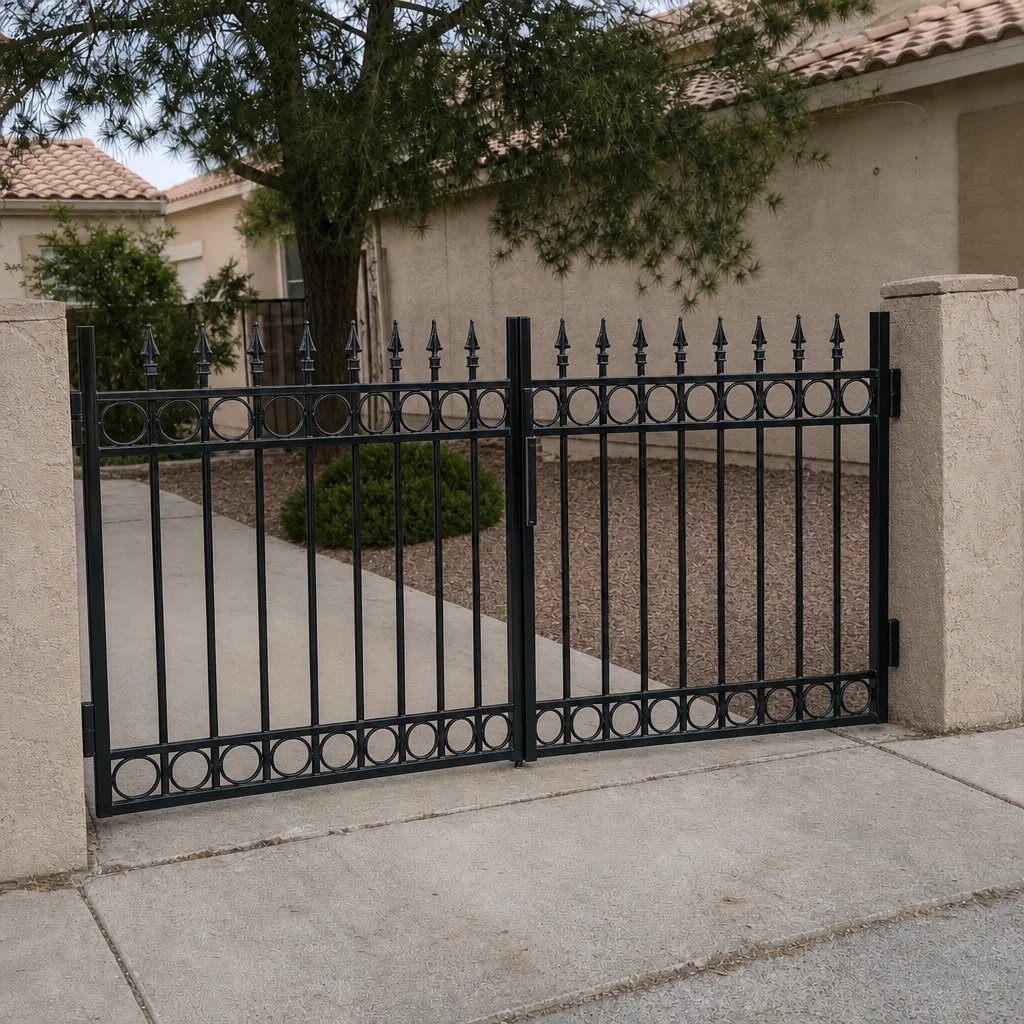
See the difference
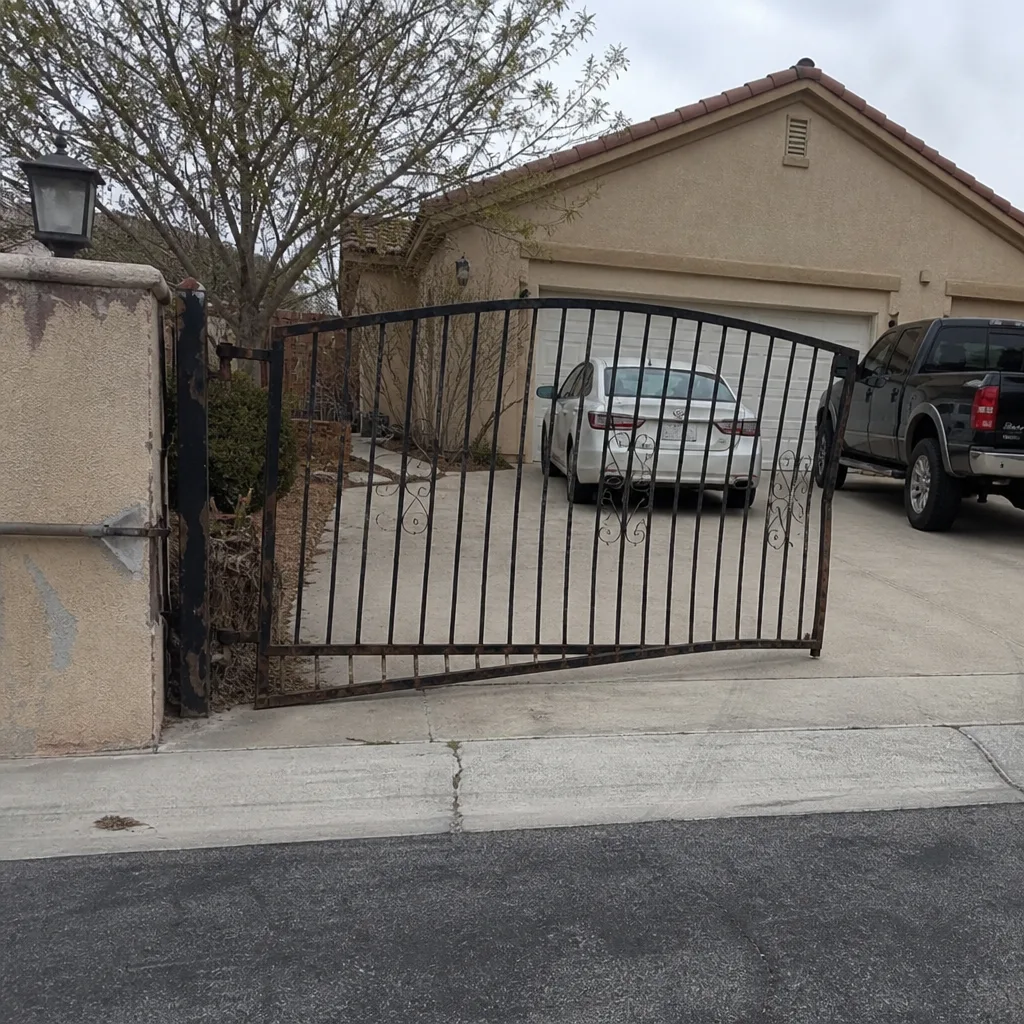 Before
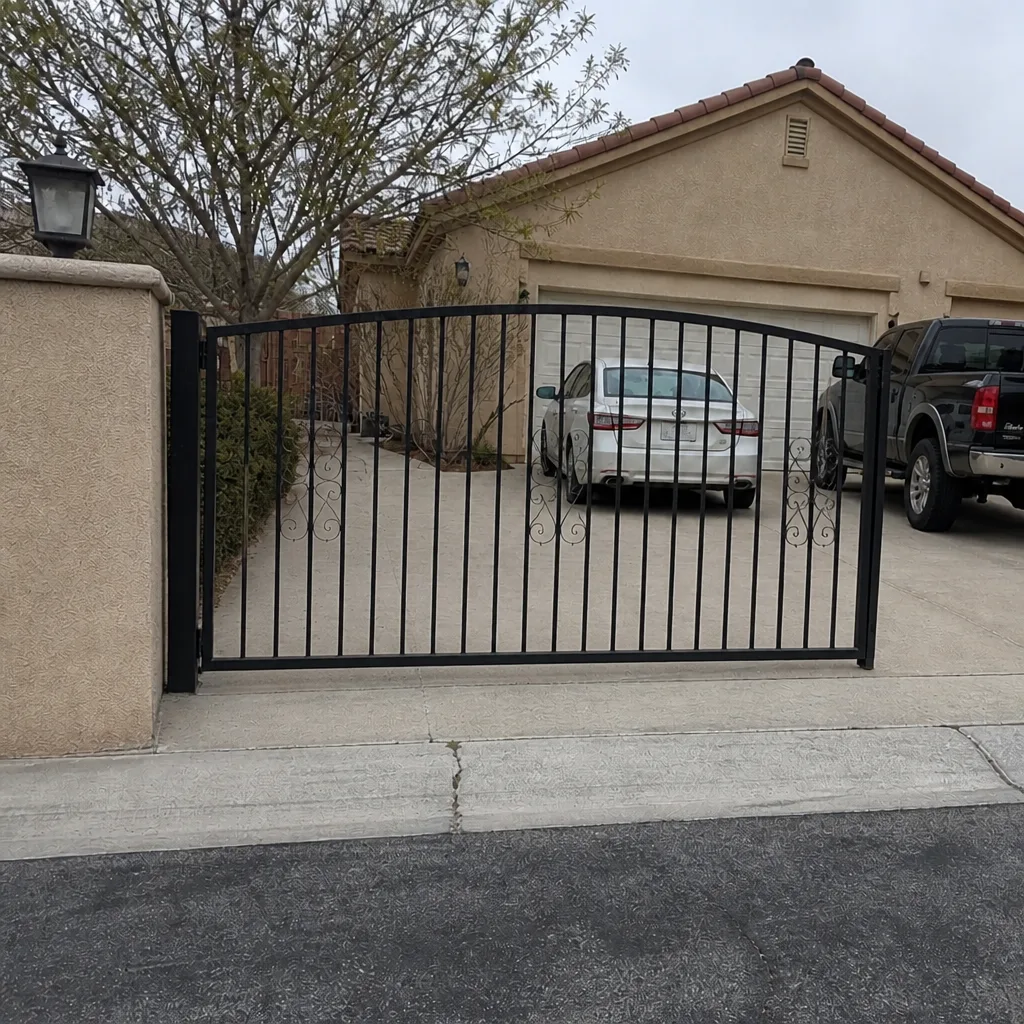 After
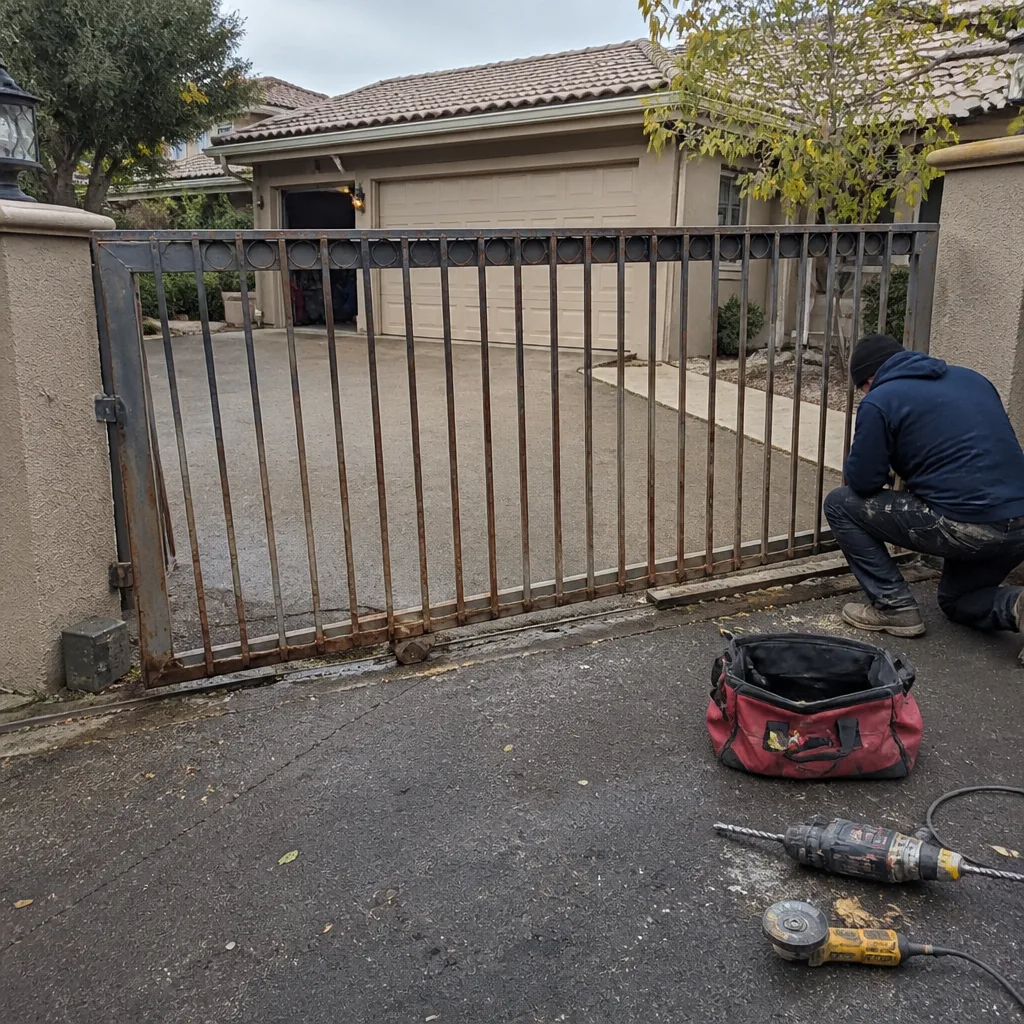 Before
 After
 Before
 After
When to Call a Professional
If you’re looking at a gate repair and the scope includes any of the following, call a licensed professional before any work begins:
- Post replacement, re-setting, or changes to the gate’s footprint
- Any height or width change to the gate itself
- New electrical circuits, subpanels, or operator supply changes
- Safety devices on a gate operator that need replacing or realignment
- Any alteration on a Summerlin gate visible from the street
- Anything where you’re unsure whether the work crosses from repair into alteration
Ironworks Gate Co. Summerlin offers free estimates in Summerlin. Call (866) 623-9848 to walk through the scope. We’ll tell you plainly whether your job sits on the repair side or the alteration side, and who needs to pull any permit. That call is the cheapest part of the project and the one that saves the most trouble later.
Frequently Asked Questions
Most gate repair in Clark County does not need a permit. Repairs that replace parts, re-weld a frame, or service the operator on the existing electrical circuit are generally permit-free. A permit is typically triggered when the work changes the gate’s footprint, height, or electrical service. Call (866) 623-9848 for a free second opinion if you’re unsure which side your job falls on.
Yes. Summerlin’s master-planned community CC&Rs layer on top of Clark County code, and the village association can require architectural review for a like-for-like gate replacement that the county would not permit. If the gate is visible from the street, submit to the association before ordering materials. That call to the association is worth making first.
The contractor performing the alteration typically pulls the permit under their license, with the homeowner signing authorization. If an alteration is done without a permit, the homeowner is generally the one the county holds responsible, because the code violation sits on their title. Confirm permit responsibility in writing before work starts.
Low-voltage control wiring does not typically require a licensed electrician. Line-voltage work does. Any change to the circuit feeding the operator, a new subpanel, a service change, or repositioning the power source requires a licensed electrical contractor under Nevada code. Ask your contractor which side your job falls on before scheduling.
The inspection can delay closing, and the seller is generally the one responsible for resolving it. Buyers typically want either a permit-after-the-fact, a licensed contractor’s written opinion, or a price concession. Disclose before the inspection rather than after. It’s much easier to resolve in a week than in a closing crunch.
A repair keeps the gate’s footprint, height, and electrical service the same. An alteration changes at least one of those three things. The difference is not the invoice total; a full like-for-like replacement can be a repair, while a one-inch height change can be an alteration. Call (866) 623-9848 for a free second opinion before your contractor starts work.
The Bottom Line
Gate repair in Nevada is usually permit-free. Gate alterations usually aren’t. The line is footprint, height, and electrical service, and it’s tighter than most contractors will tell you upfront. Summerlin adds a second layer: CC&Rs and village architectural review can require approval even when the county doesn’t. Electrical work has its own rule: low-voltage control wiring is gate work, line-voltage supply is electrician work. Keep the paperwork together, disclose anything that surfaces at resale, and ask the permit question before the work starts, not after. For gate repair in Summerlin, gate installation in Summerlin, or gate motor & opener in Summerlin work, that conversation is free and worth having first.
If your project sits on the alteration side, or you’re not sure which side it’s on, call Ironworks Gate Co. Summerlin at (866) 623-9848 for a free estimate. We’ll confirm the scope, tell you plainly who should pull the permit, and quote the job upfront before a single bolt is turned. Explore more about Ironworks Gate Co. Summerlin home services, or call today.
Written by the team at Ironworks Gate Co. Summerlin.