
Last updated November 17, 2026
 Wrought iron
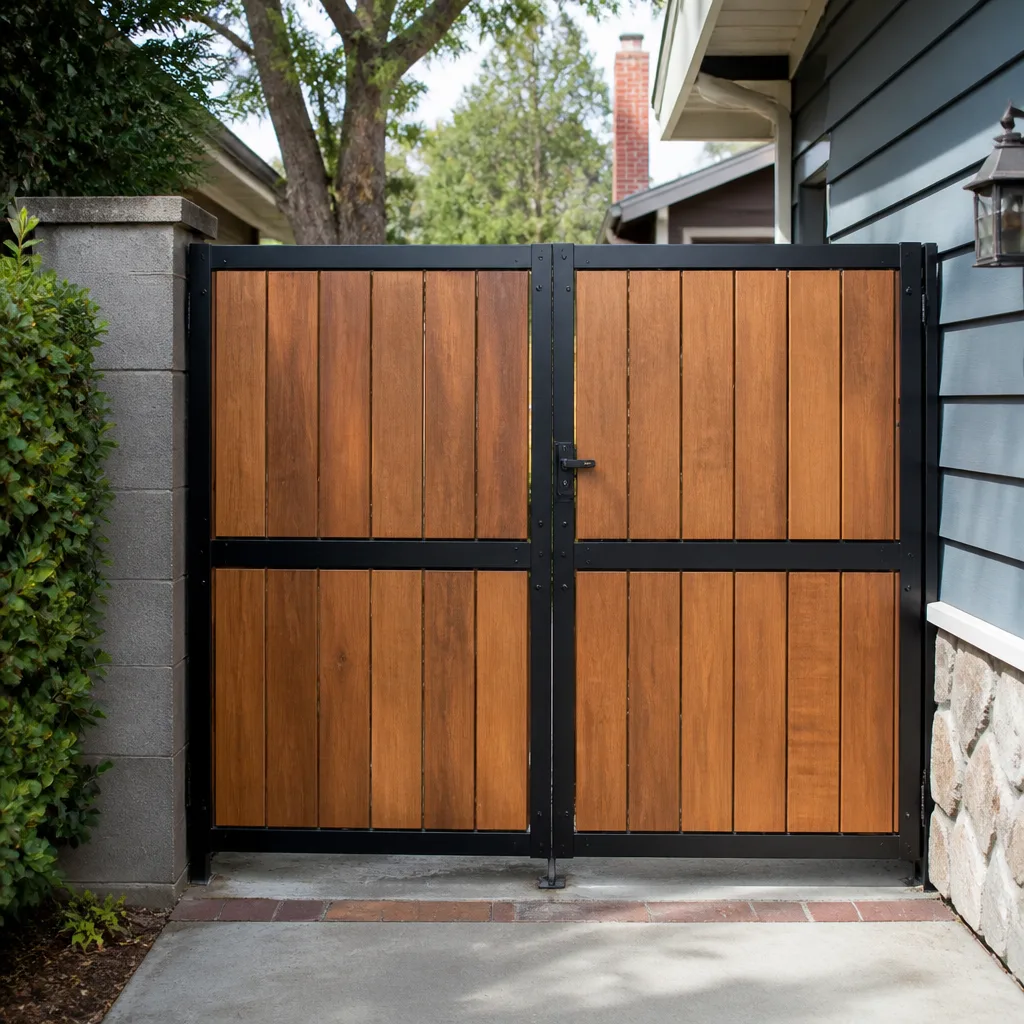 Wood & steel frame
 Farm & ranch
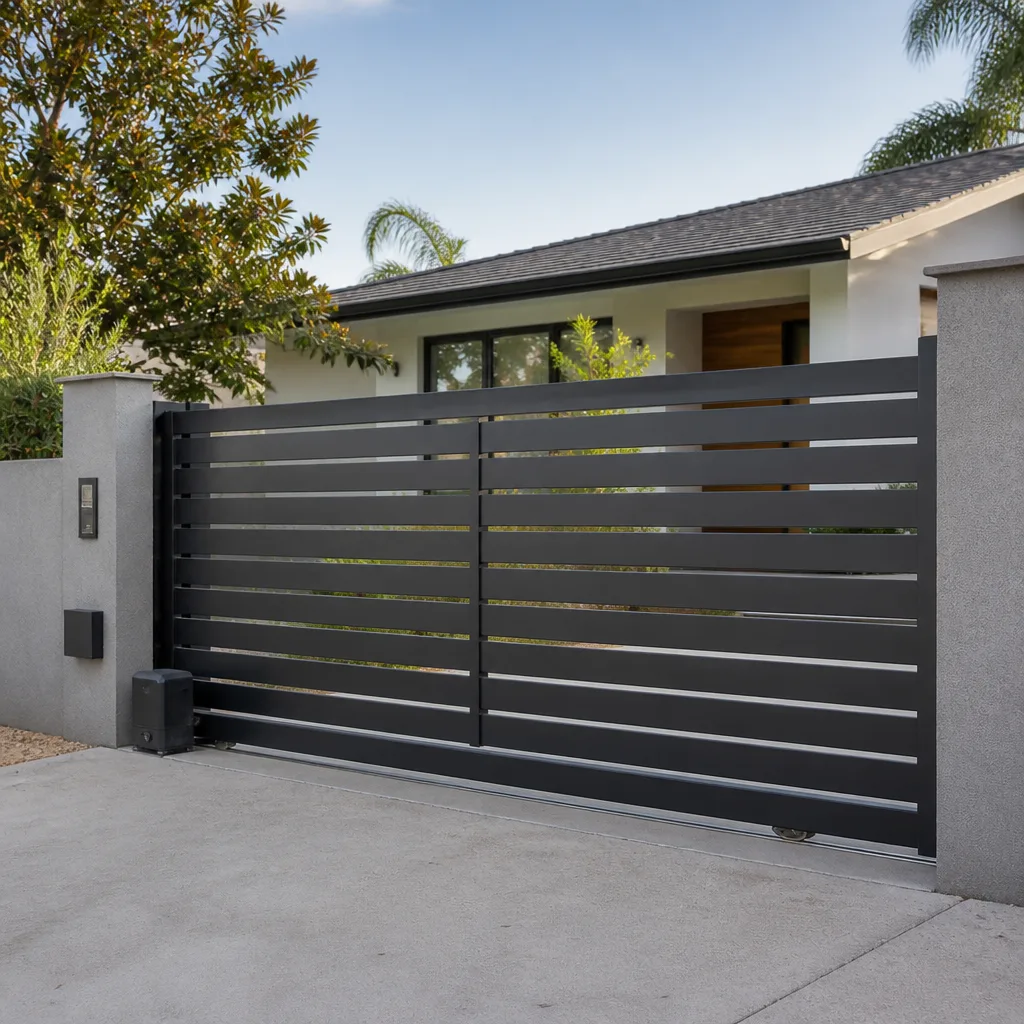 Sliding driveway gates
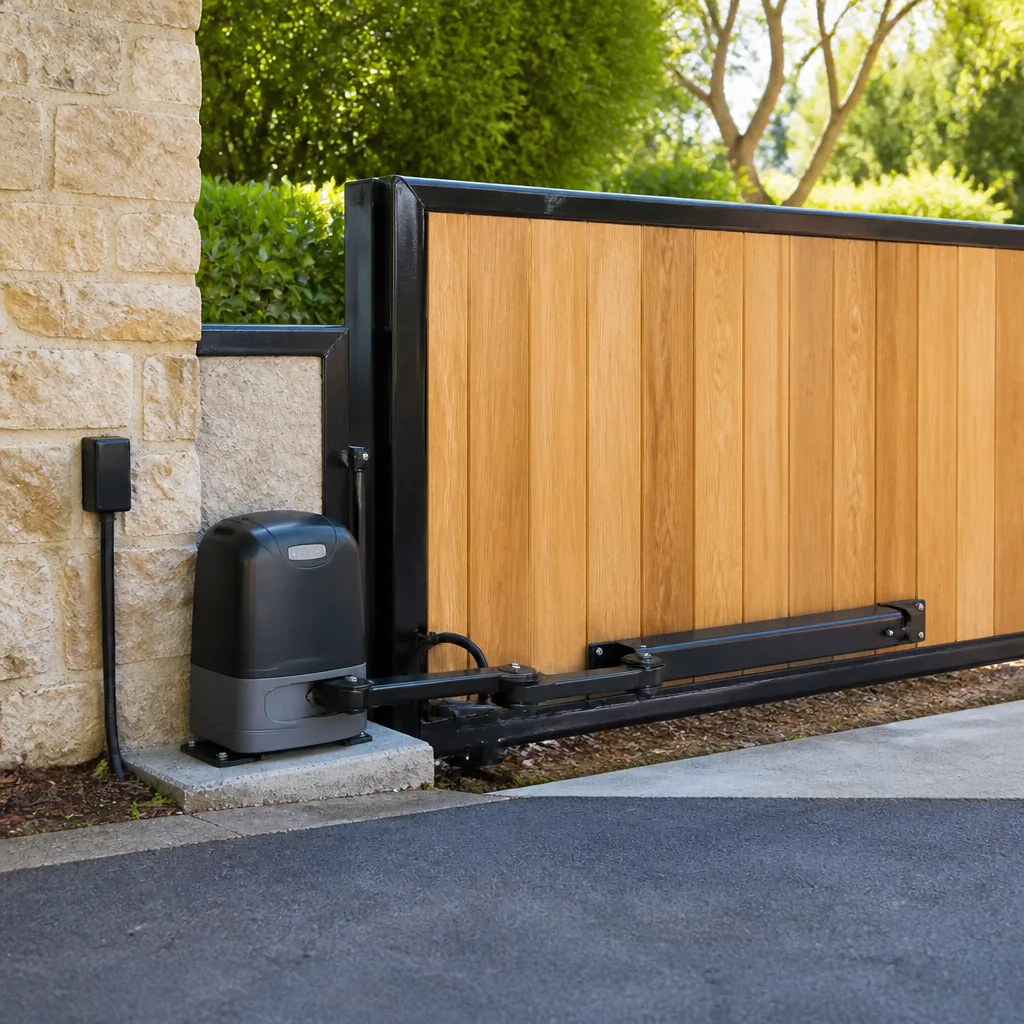 LiftMaster operators
Free on-site gate assessment - hinges, posts, and your LiftMaster or Nice gate operator checked before anything is quoted
The assessment is free and the quote is the invoice.
Get your free estimateGate Repair Maintenance Schedule: What to Do and When
The gate that fails in July was almost always showing signs in March. That’s the pattern we see across Summerlin, and it explains why so many homeowners feel blindsided by a gate that suddenly won’t open, won’t latch, or drags along the ground. The trouble is that most maintenance advice is built around the calendar, not around how gates actually wear out. A gate in the desert doesn’t degrade on a neat 12-month cycle. It degrades on four overlapping rhythms at once: monthly, seasonal, annual, and event-triggered. Each one catches a different kind of failure before it compounds into an expensive repair. This guide lays out all four, so you know what to check, when to check it, and which tasks belong in your hands versus a trained technician’s.
Quick Answer
A gate maintenance schedule works best as four layers: a five-minute visual check every month, seasonal prep before summer heat and after monsoon season, an annual service visit for torque and electrical inspection, and a targeted inspection after any event like a vehicle strike or power surge. The monthly checks catch most early warning signs, while the annual technician visit handles the parts that genuinely need trained eyes and proper tools. Skip any one layer and the other three carry more weight than they were designed to.
Styles & brands we work with
- Wrought iron
- Wood & steel frame
- Farm & ranch
- Sliding driveway gates
- LiftMaster operators
Table of Contents
- Monthly Visual Checks You Can Do in Under Five Minutes
- Seasonal Tasks for the Desert Climate
- Annual Tasks That Need a Licensed Technician
- Event-Triggered Maintenance
- Building a Maintenance Log That Protects You
- Warning Signs That Mean Stop and Call
- Common Mistakes to Avoid
- Frequently Asked Questions
Monthly Visual Checks You Can Do in Under Five Minutes
Most gate failures we’re called out to in Summerlin were visible weeks before they broke. A homeowner walking the gate line once a month catches the majority of impending problems early, and it takes less time than brewing a cup of coffee. You’re not fixing anything here. You’re looking and listening.
Walk the full travel of the gate, open and close it once by hand if your operator allows manual release, and watch for these:
- Sag or drag. Does the gate clear the ground evenly across its whole swing or slide? A gate that scrapes on one end is telling you a hinge, roller, or post has moved.
- Loose hardware. Wobble the gate gently at the latch and hinge points. Any movement beyond a slight give means fasteners need attention.
- Rust blooms and paint chips. Small orange spots around welds and the bottom rail are the first sign of corrosion. Catch them while they’re dots, not patches.
- Track debris. On sliding gates, run a gloved hand along the track or glance along its length. Gravel, leaves, and windblown dust collect in the channel and wear the rollers.
- Sensor alignment. Look at your safety photo-eyes. Are they aimed at each other, clean, and free of cobwebs? A dirty lens is a phantom-reverse waiting to happen.
- Strange sounds. Grinding, squealing, or a labored motor hum during travel all point to something needing service.
- Battery backup indicator. If your operator has a backup battery, check the status light. A failing battery leaves you locked out during a power cut.
That’s the whole monthly routine. Five minutes, no tools, done. If something looks off, note it in your log and call it in rather than waiting for it to get worse.
Seasonal Tasks for the Desert Climate
Summerlin gates live in a climate that punishes them in two distinct ways: heat that cooks lubricants and stresses electronics, and monsoon season that drives dust and grit into every moving part. The calendar matters here, but not the way it does in wetter parts of the country. Your two key seasonal touchpoints are pre-summer and post-monsoon.
Pre-Summer Heat Prep (April into May)
Before the triple-digit stretch, the goal is to make sure everything is ready to run hot. Heat thins lubricants so they migrate away from where they’re needed, and it stresses sensors and control boards. Our technicians adjust the grade of lubricant used on hinges, rollers, and the operator’s drive components so it holds up through the peak months rather than evaporating off the metal.
Also check sensor shade. In Summerlin, afternoon sun on a west-facing gate can interfere with photo-eye performance and even overheat control enclosures. A shade check, a cleaning of the sensor lenses, and clearing any summer growth that blocks the beam will prevent a lot of false triggers in July.
Post-Monsoon Checks (September into October)
After the summer storms, the priority shifts to dust and moisture. Wind-driven dust works into the track, the operator housing, and the hinge gaps, where it acts like sandpaper on moving parts. A dust purge of the track and pivot points, plus a fresh application of the right lubricant, brings the gate back to smooth operation.
Ground-level corrosion deserves special attention after monsoon season. Water pools briefly around posts and bottom rails, and that’s exactly where rust starts. A close scan of the bottom rail, the welds at the frame joints, and the base of the posts catches corrosion before it eats into the metal. If your gate has an FAAC or BFT operator, this is also a good time to have the control enclosure checked for dust buildup.
Annual Tasks That Need a Licensed Technician
Two categories of work simply shouldn’t be handled by a homeowner, no matter how comfortable you are with tools: torque checks on the operator mounts, and electrical connection inspections. Both involve forces and voltages that a visual check can’t assess.
Here’s what a proper annual service visit covers:
- Torque verification on operator mounts and anchors. The motor and its mounting hardware experience constant vibration. Fasteners loosen over time, and a loose mount throws the whole drive geometry out of alignment. A technician checks every anchor to spec and re-torques as needed.
- Electrical connection inspection. The line voltage connections, control wiring, and grounding are checked for corrosion, loose terminations, and heat damage. This is not a DIY task. Even a low-voltage control circuit deserves respect, and the line side carries genuine shock risk.
- Limit and force setting review. The operator’s force limits and travel limits are verified so the gate reverses properly on obstruction and stops in the right place.
- Safety device testing. Photo-eyes and any edge sensors are tested for correct function, not just aimed.
- Gearbox and drive lubrication. The operator’s internal lubrication is checked and topped off as the manufacturer specifies.
- Battery and backup system load test. A backup battery that reads fine on a light can fail under full load. A proper test confirms it will actually carry the gate during an outage.
We service the automation on nine major brands, including Linear and Viking, so the annual visit is calibrated to the equipment actually on your driveway rather than a generic once-over. A technician trained on your brand catches the specific wear patterns that brand develops.
See the difference
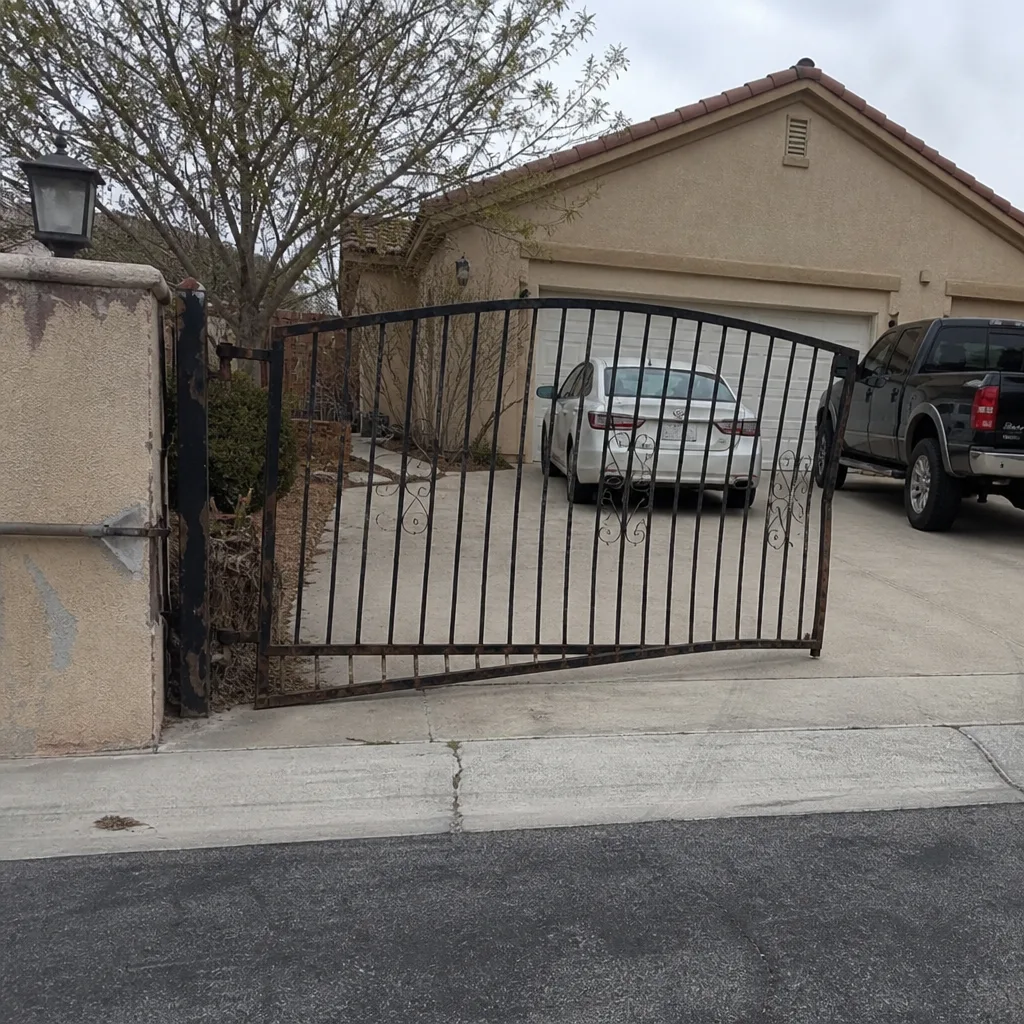 Before
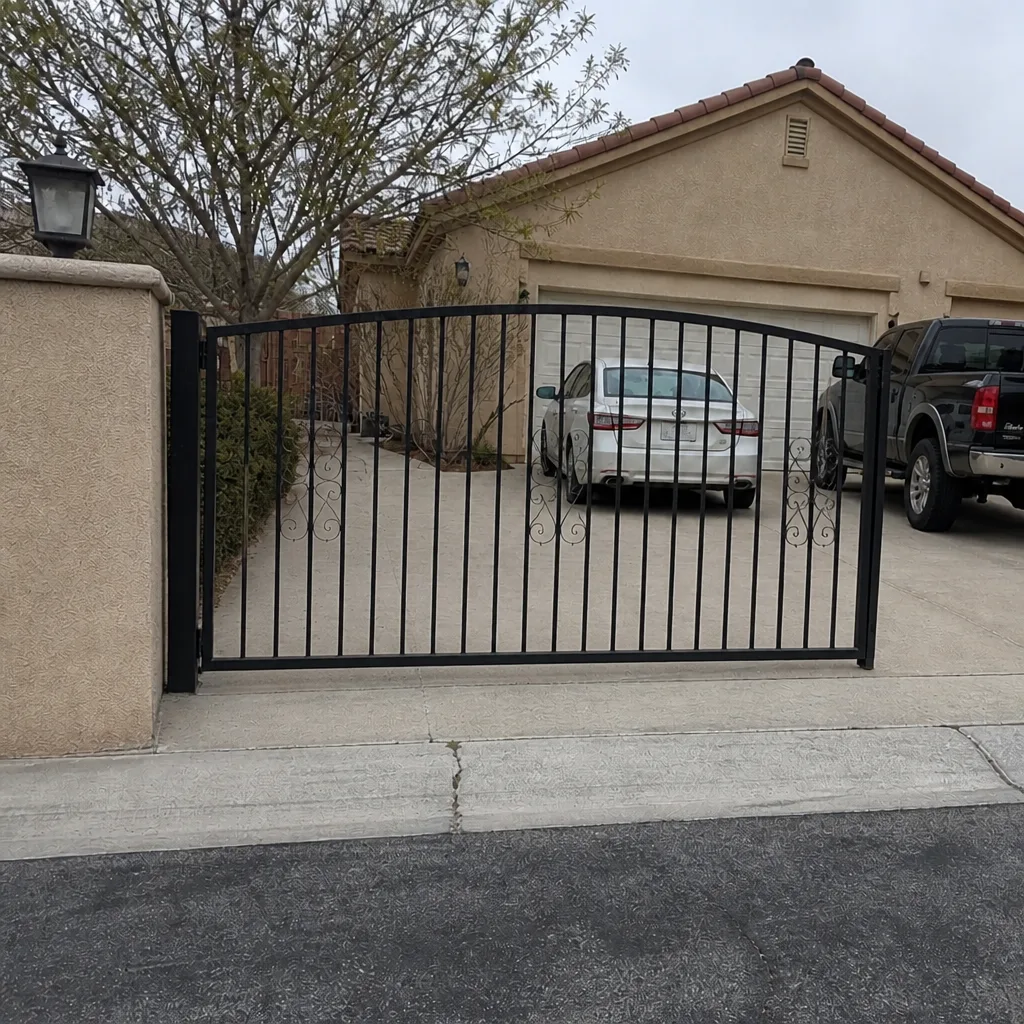 After
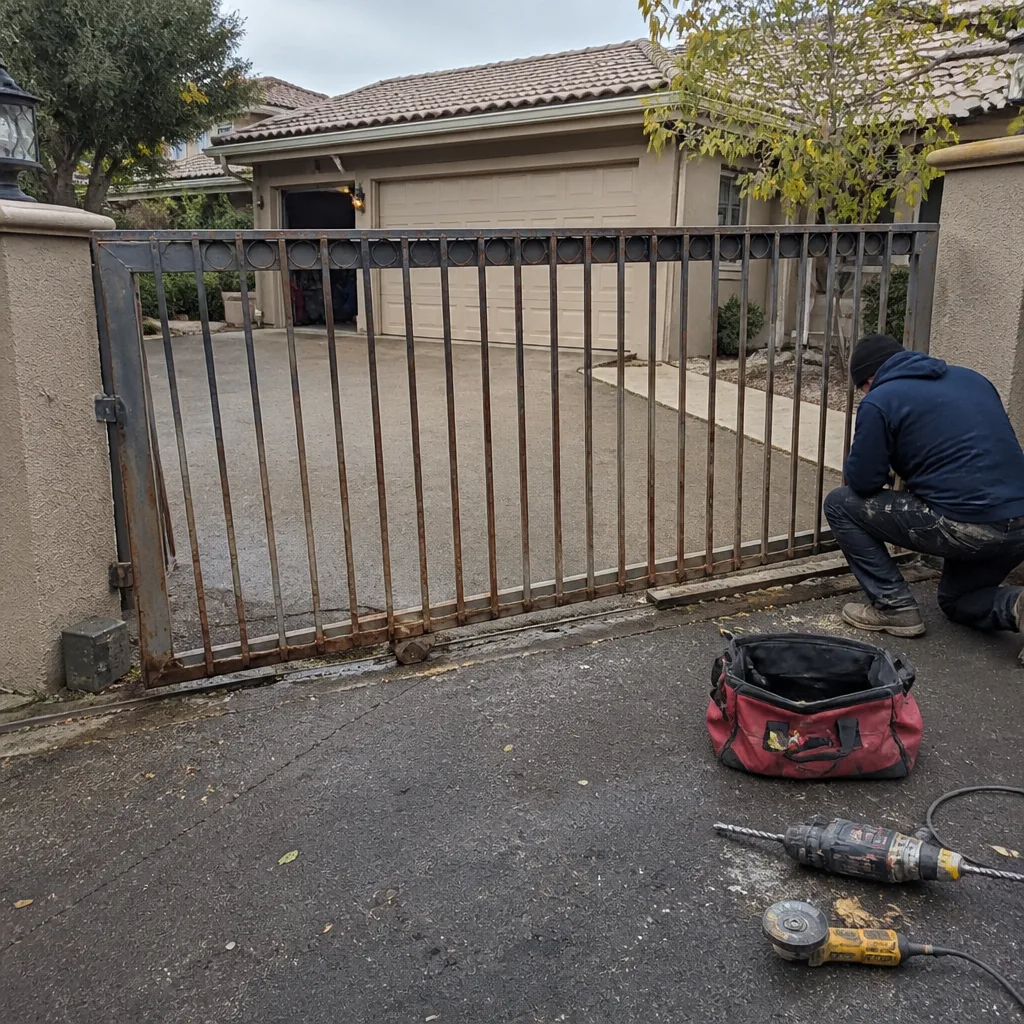 Before
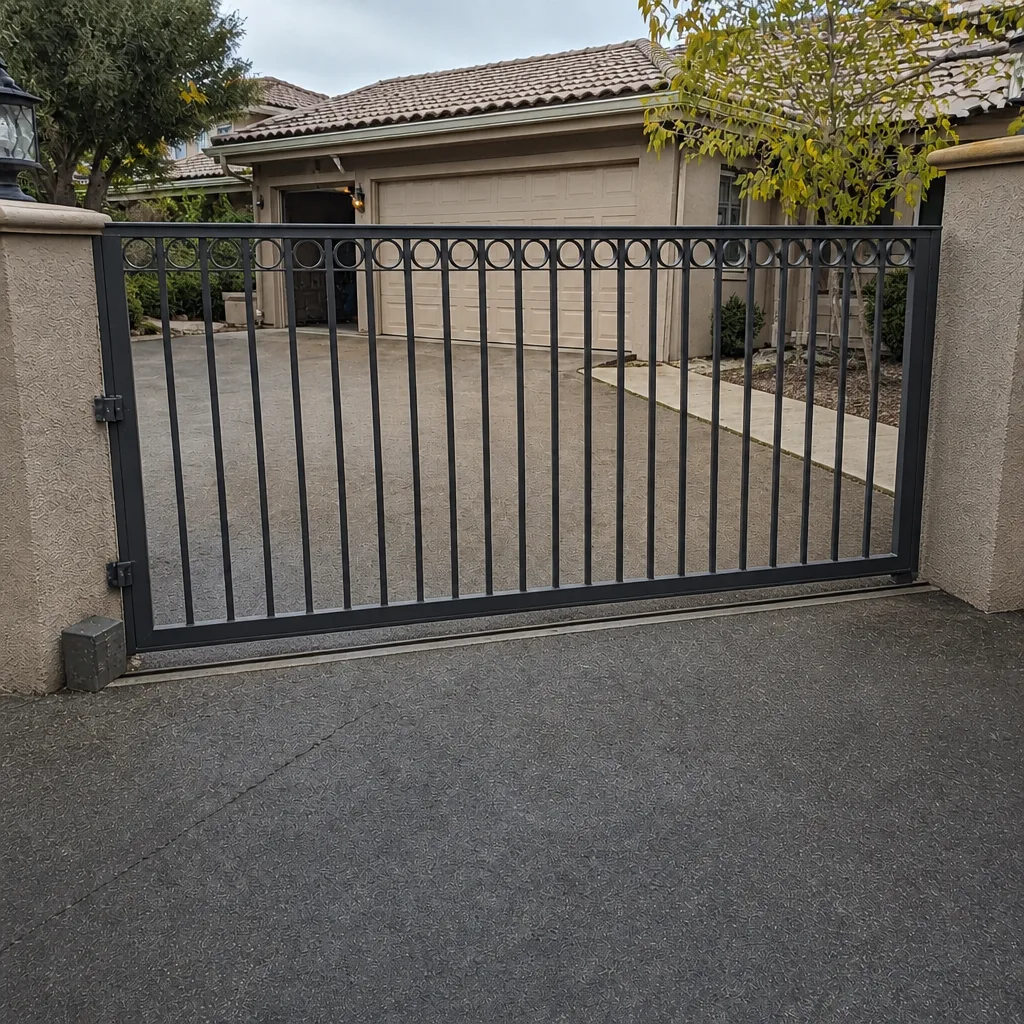 After
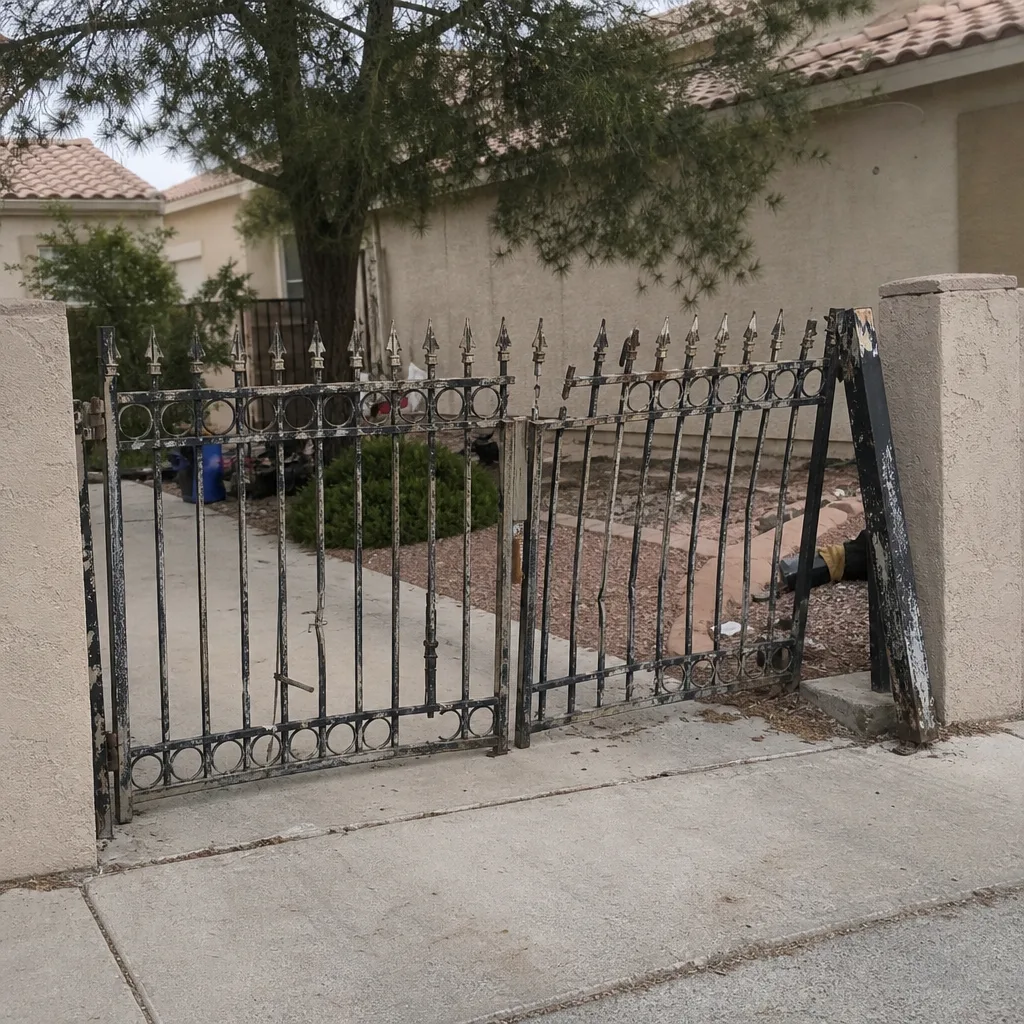 Before
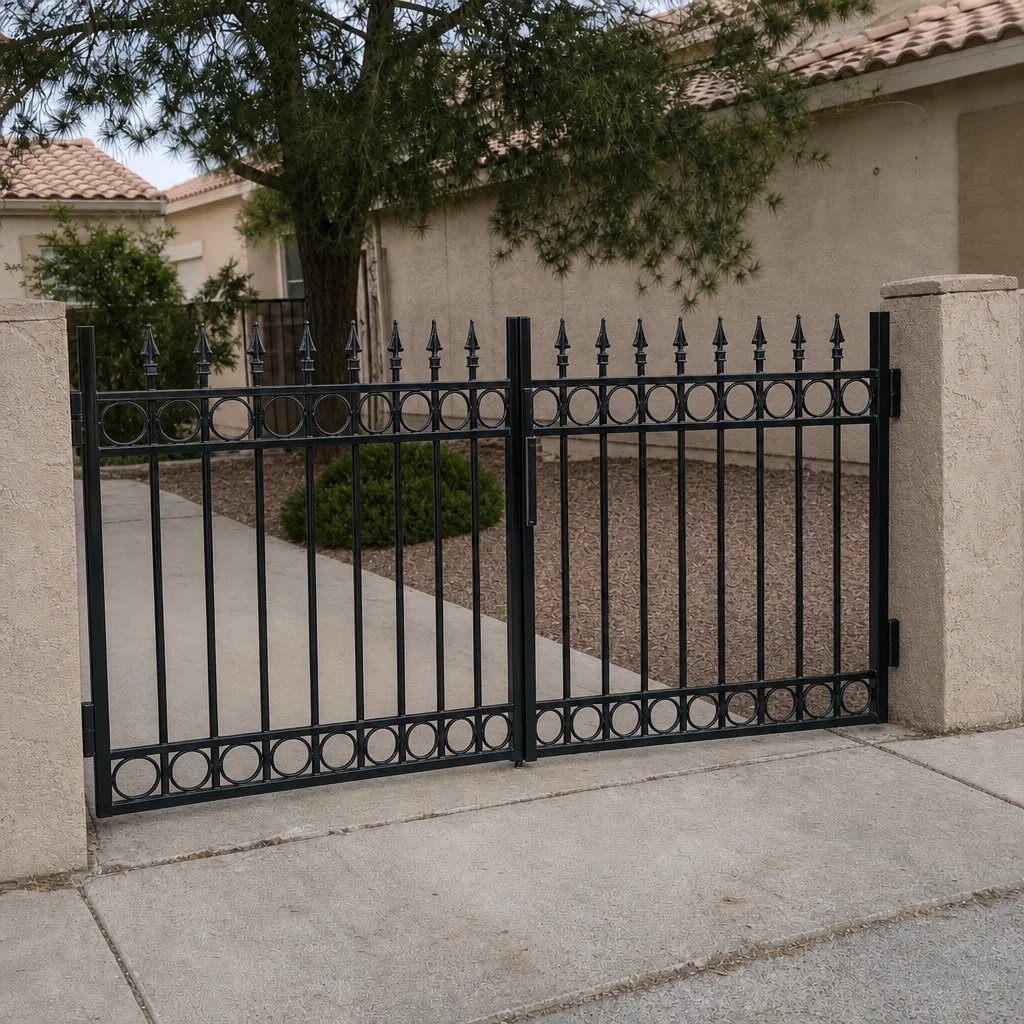 After
Summerlin’s Own Gate Problems
Summerlin homes sit on a particular mix of conditions that shape how gates age. The desert heat, the caliche-heavy soil, and the wide temperature swings between day and night all leave their mark. Posts set in soil that expands and contracts can shift slightly over years, which throws swing alignment off and puts extra strain on hinges. Homes around The Ridges and Red Rock Country Club, on the higher and more exposed lots, take more wind loading than the flatter neighborhoods, and that wind works the mounting hardware harder.
Gates facing west across Summerlin also bake in direct afternoon sun, which breaks down old lubricant faster than any other exposure. If your gate sits on a west or southwest line, shorten your visual check interval and pay closer attention to the bottom rail and sensor lenses in high summer. For more on the repair side of things, our Gate Repair in Summerlin page covers what we typically see and fix.
Event-Triggered Maintenance
Some of the most important maintenance happens off-calendar. Three events deserve a dedicated inspection regardless of where you are in the schedule.
After a Vehicle Strike
A bump from a delivery van, a teenage driver, or a gate that caught a car leaving the driveway can do damage that isn’t obvious at a glance. Hinges bend, posts shift, and the gate may still open and close even though the alignment is now off. What to check: does the gate travel evenly, or does it catch or bind? Is the latch line still square? Look at the hinge plates for bends and the post at the strike area for movement. Even a slight strike can crack a weld on the inside of the frame that you won’t see from outside. If anything looks or feels different after an impact, get it inspected before the misalignment damages the operator.
After a Power Surge
Desert thunderstorms bring surges, and a surge can take out a control board or damage the operator’s electronics in ways that only show up later. After a notable surge, check that the operator still completes full open and close cycles, that the safety sensors still function, and that the manual release still works. If the gate behaves erratically, slows, or won’t complete travel, stop using it until a technician has tested the control board and connections.
After an Extended Vacancy
If your home sat empty for a season, the gate may not have cycled for weeks. That means the battery may be depleted, the lubricant has settled, and dust and pests have had run of the operator housing. Before relying on it, run a manual cycle, check the travel for drag, and have a technician inspect the operator and safety devices. If you’re heading into a vacancy, keeping the gate on a scheduled cycle, or asking someone to run it periodically, does more than any other single prep step.
For the automation side, our Gate Motor & Opener in Summerlin page covers operator service and what a proper inspection looks for.
Building a Maintenance Log That Protects You
A simple maintenance log does two useful things: it protects your warranty and it gives any future technician a clean repair history. Make a simple table in a notebook or a shared note on your phone. You want four columns: date, what was done, who did it, and what was found. Record both the monthly checks you do yourself and every professional service visit.
Three habits make a log genuinely useful:
- Date every entry. A warranty claim depends on proving when service happened and what was found. A log with dates tells that story.
- Note the brand and model of your operator. Whether it’s FAAC, BFT, Linear, or another brand, having the exact model recorded means a technician arrives prepared with the right replacement parts rather than guessing.
- Write down symptoms, not just repairs. “Grinding on close, left side” is useful history. “Fixed gate” tells the next technician nothing.
A log also changes how maintenance conversations go. When you call us, a quick read through the log tells us what’s been checked and what’s failed before, so we can make the correct fix on the first visit. If you’re comparing written estimates, the history also supports an honest diagnostic. Our Gate Installation in Summerlin page explains what a well-built gate should do, which helps you judge whether yours is behaving normally between service visits.
Warning Signs That Mean Stop and Call
Some issues are fine to note and monitor. Others mean stop using the gate. Safety matters most with gates because these are heavy moving objects that homeowners and visitors walk under and around. Watch for these and act on them:
- A safety device that doesn’t reverse the gate. Test by obstructing the beam deliberately in a safe way. If the gate doesn’t reverse, stop and call. Do not keep using it.
- Visible damage to a hinge, weld, or post. Structural damage is a safety issue, not just a cosmetic one.
- Operator that runs but the gate doesn’t move. This points to a broken drive part or a stripped gear. Further cycling can damage more.
- Burning smell or scorched wiring at the operator. That’s an electrical fault. Cut power at the breaker and call a technician.
- Gate falling out of alignment and striking the post or ground. Misalignment loaded onto the operator can ruin a motor quickly.
- A gate that won’t stay latched or is loose on its pivot. Both are early structural warnings.
If any of these is present, stop using the gate and call us. Preventing one compounding failure is far cheaper than replacing or rebuilding parts the gate has already damaged.
Common Mistakes to Avoid
- Waiting for a failure to schedule service. Maintenance done on schedule catches small problems before they become big ones. Waiting for a gate that won’t open means the repair is usually aligned with a fix you could have headed off at the monthly check.
- Using the wrong lubricant. Light oils and general-purpose greases migrate or dry out in Summerlin heat and actually attract and hold dust. Use a lubricant rated for the application, and have a technician set the grade for the season.
- Ignoring the monsoon dust. Dust in the track acts like an abrasive. Cleaning the track seasonally, not just glancing at it, keeps the rollers and drive from wearing. Skipping this is one of the biggest causes of sliding gate wear we see.
- Treating the operator as a sealed box. Opening the operator or fiddling with limit settings to “fix” a behavior often makes it worse and can void coverage. The controls are adjusted for a reason.
- Over-tightening or loosening fasteners yourself. Snugging a wobbly hinge by feel can strip threads or leave a fastener that fails later. Let a technician torque it to spec.
- Keeping no record of service. Without a log, warranty claims get harder to support and every new technician starts from scratch. A five-minute record pays off if you ever need a repair covered.
- Skipping the post-strike inspection because the gate “still works.” A gate can work while a damaged weld or bent post is quietly getting worse. Have an impact checked before it costs more.
When to Call a Professional
Some maintenance is yours, and some is ours. If a gate shows structural damage, won’t reverse on obstruction, gives off electrical symptoms, or has taken an impact, call us. If your annual service is due, or you simply can’t remember when the operator was last inspected, call us. We handle torque checks, electrical inspections, operator diagnostics, and repairs across nine major brands, including Linear and Viking. Every job is backed by our written 90-Day Done Right Promise, and pricing is settled before a single bolt is turned. Ironworks Gate Co. Summerlin offers free estimates in Summerlin – call (866) 623-9848, and a live person answers any hour, any day.
Frequently Asked Questions
Do a five-minute visual walk-through once a month, a seasonal inspection before summer and after monsoon season, and a full professional service once a year. Monthly checks catch most early problems, while the annual visit handles the torque and electrical work no homeowner should do.
You can clean the track and applying a lubricant is fine for basic moving parts, but the right grade of lubricant varies by season and component. In Summerlin heat, the wrong oil can attract dust and dry out faster than it helps. Have a technician set the lubricant grade during your seasonal tune-up.
Purge dust from the track and moving parts, scan the bottom rail and post bases for corrosion, and check sensor lenses for grime. Dirt and water pooled around the base of the gate speed up rust, so the ground-level scan matters most.
Our seasonal tune-up is a standing $89 offer. During that visit we set the right lubricant, check the operator, safety devices, and hardware, and note anything needing a repair. Call (866) 623-9848 for an exact quote. Estimates are free.
Many manufacturer warranties on gate operators call for periodic maintenance, and your coverage can hinge on it. Keeping a dated maintenance log that shows regular service is the safest way to protect any warranty. If you’re unsure what your operator requires, we’re glad to check during a service visit.
Yes. We handle gate repairs and emergencies across Summerlin, and a live person answers the phone any hour, any day. Call (866) 623-9848 and we’ll get a technician on it. Prep and scheduled work is booked ahead, but repair calls are where we move fast.
The Bottom Line
A gate doesn’t fail on its own schedule. It fails when four rhythms stop overlapping: the monthly five-minute check, the pre-summer and post-monsoon seasonal prep, the annual technician inspection, and the event-triggered look after an impact, a surge, or a vacancy. Keep all four and your gate stays reliable and your repair history stays clean. Skip one and the rest quietly take on more than they should. Backed by our written 90-Day Done Right Promise and trained on nine automation brands, we’re here to keep your gate working. Call (866) 623-9848 for a free estimate. For everything we do, start at Ironworks Gate Co. Summerlin home.
Written by the team at Ironworks Gate Co. Summerlin.