
Last updated November 17, 2026
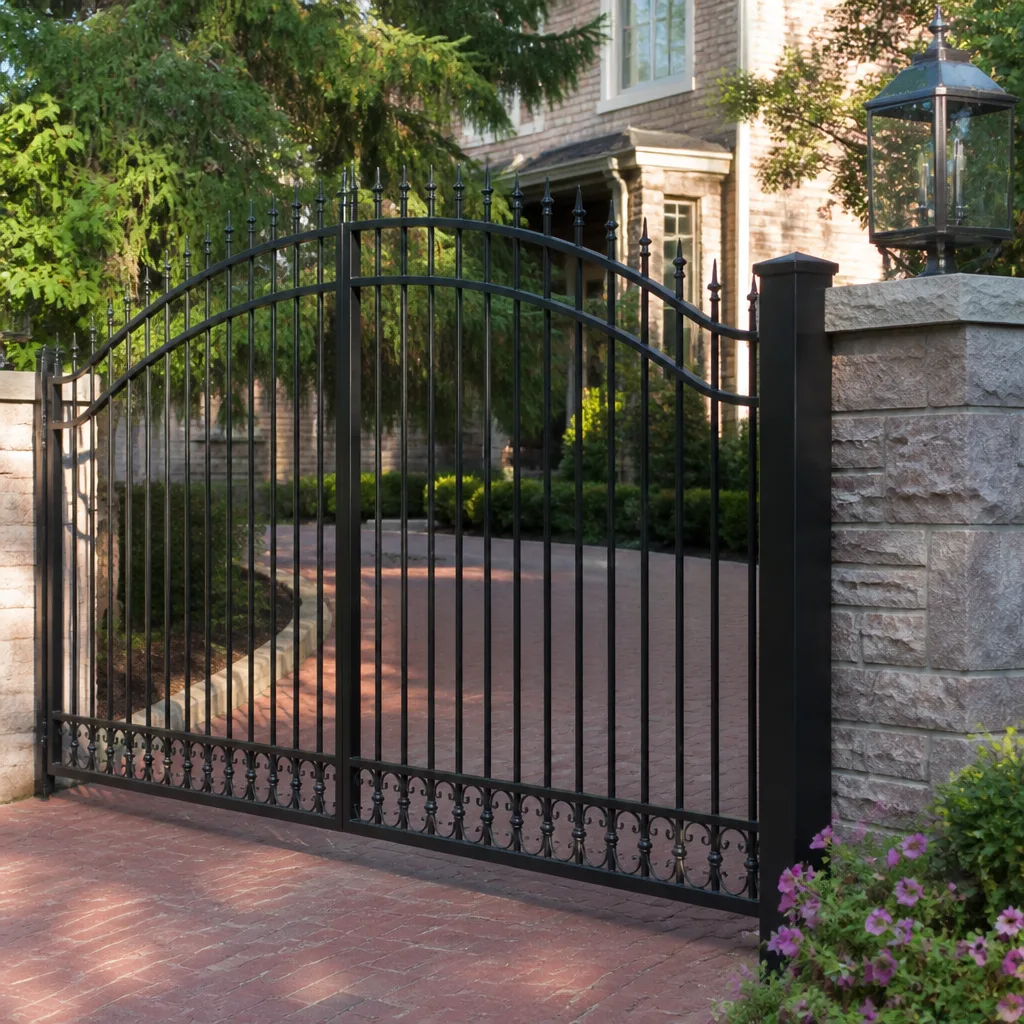 Wrought iron
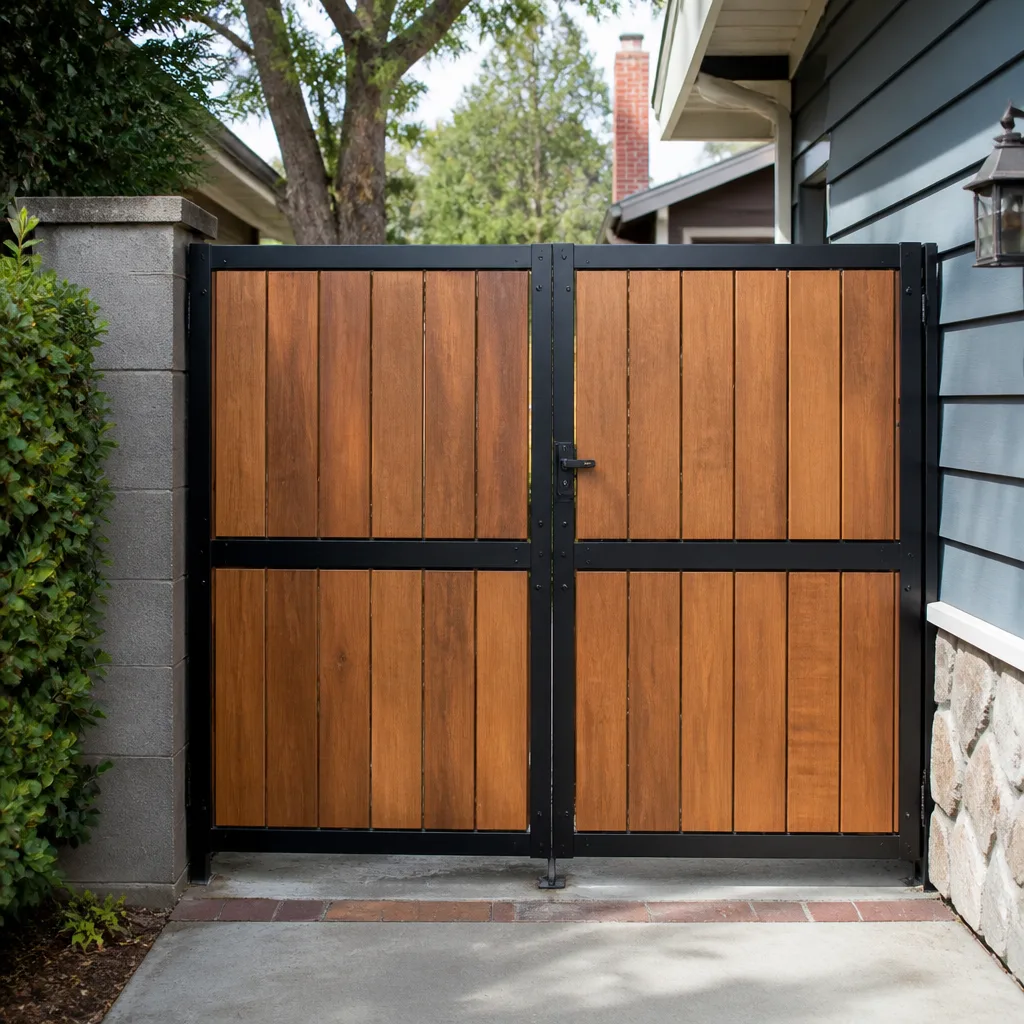 Wood & steel frame
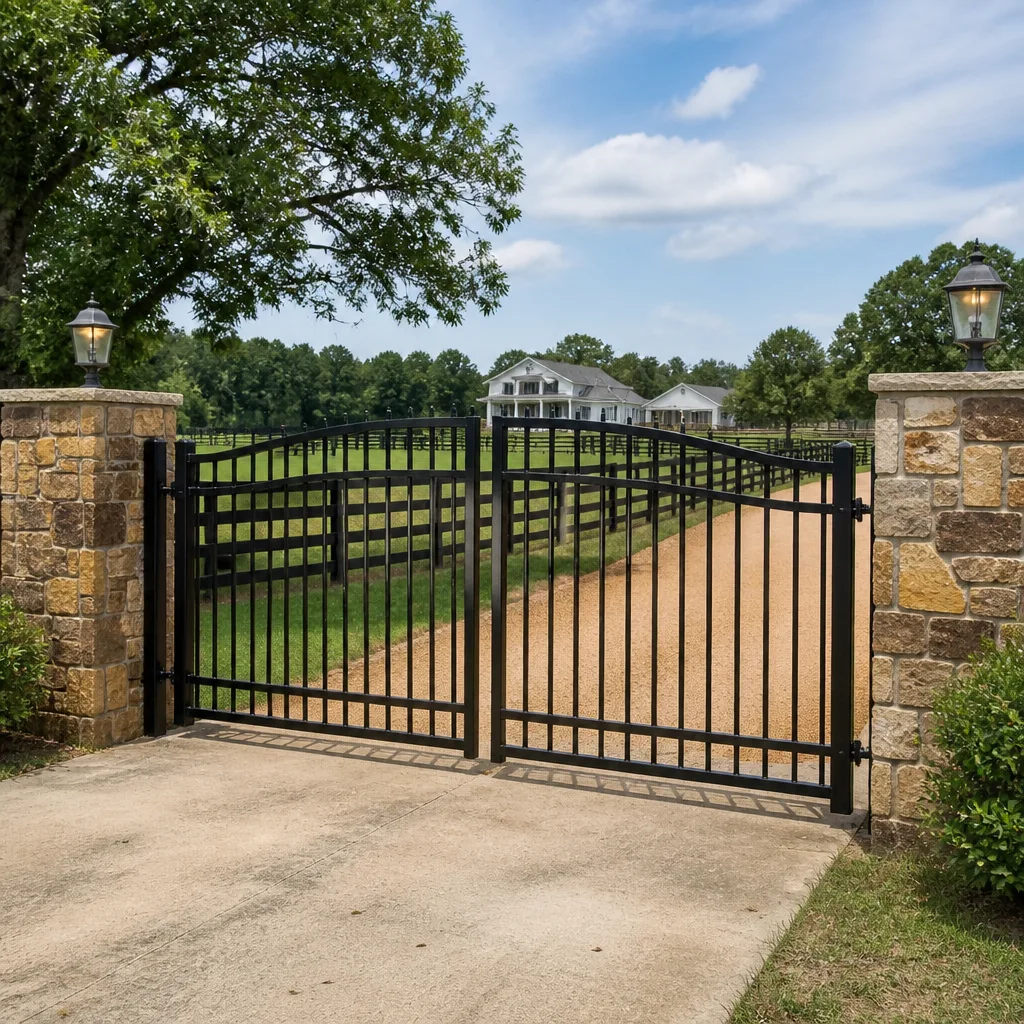 Farm & ranch
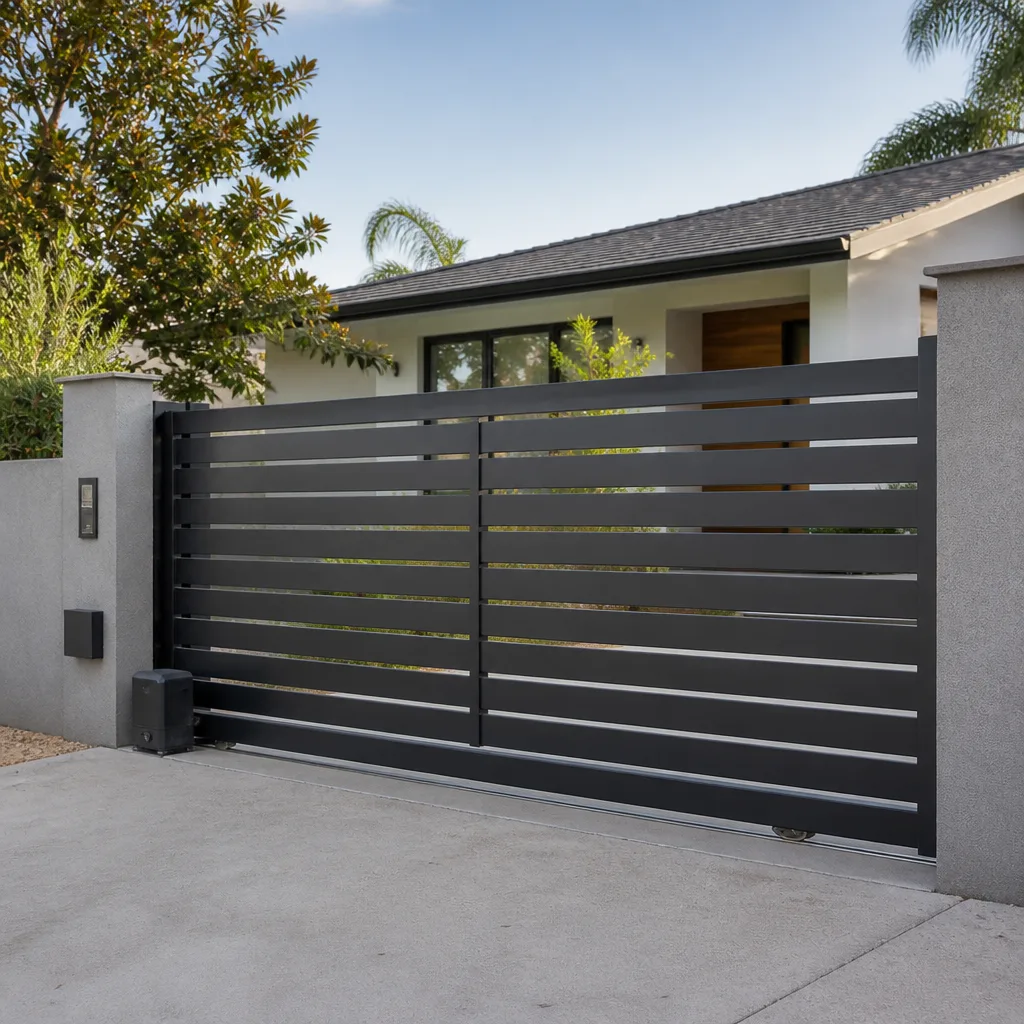 Sliding driveway gates
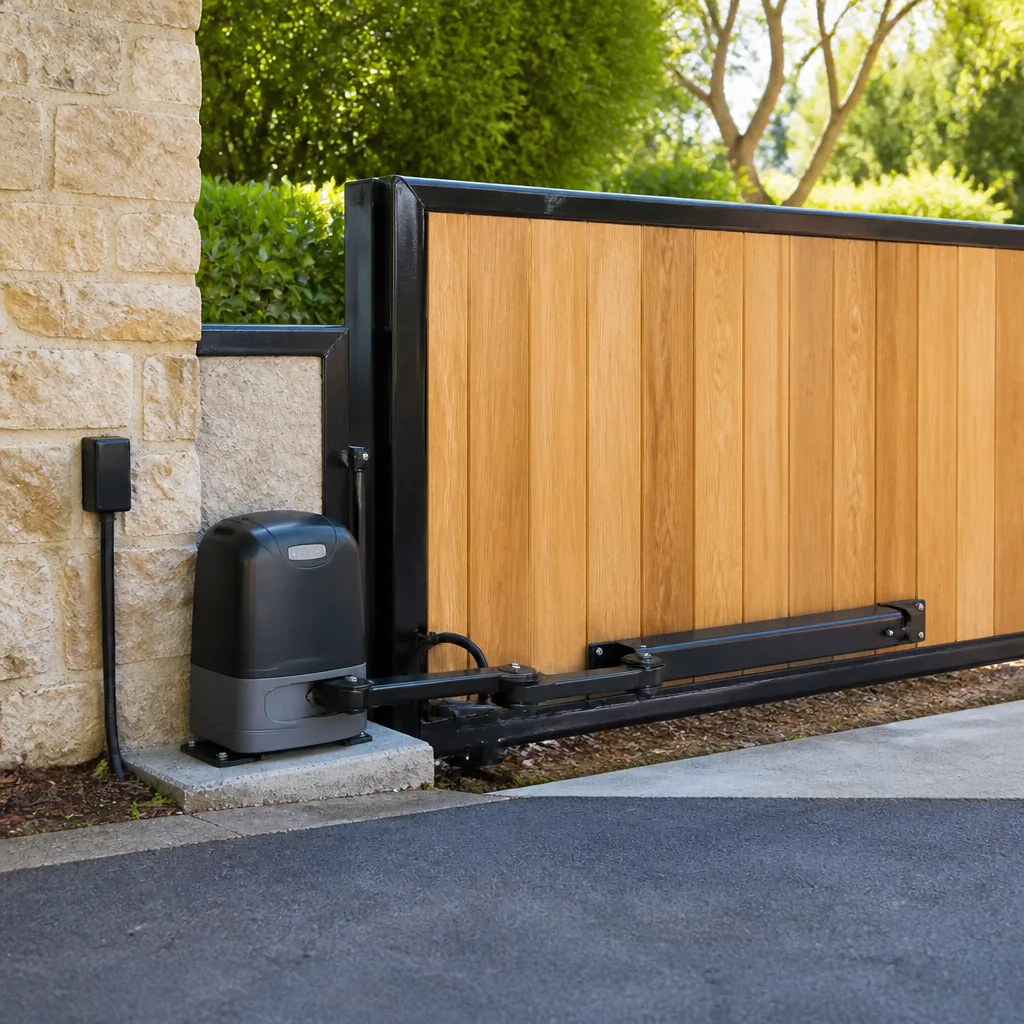 LiftMaster operators
Free on-site gate assessment - hinges, posts, and your LiftMaster or Nice gate operator checked before anything is quoted
The assessment is free and the quote is the invoice.
Get your free estimateThe Complete Gate Motor & Opener Guide for Summerlin Homeowners
An opener rated for 500 cycles a day sounds like absurd overkill for a home gate. Then you count the real traffic: two cars leaving and returning, the pool guy, the landscaper, a delivery three times a week, the grandkids. Add Summerlin’s summer heat, which cuts a motor’s effective capacity far below what the box promises, and that 500-cycle rating starts to look like a minimum, not a luxury. Choose a motor class too small for the job and it runs hot, wears early, and quits years before it should. This guide maps the decision correctly for where you actually live, from cycle math to HOA rules.
Quick Answer
For most Summerlin driveways, the right opener depends on four things in order: gate weight, gate width, real daily cycle count, and summer heat derating. A swing or slide gate under roughly 400 pounds with light traffic usually does well on a mid-grade arm or rack operator, while estate gates and heavy ornamental iron need a higher-duty motor rated well above the raw cycle estimate. Oversize the motor for summer heat and you’ll get fifteen years out of it; undersize it and you’ll be replacing it every four.
Styles & brands we work with
- Wrought iron
- Wood & steel frame
- Farm & ranch
- Sliding driveway gates
- LiftMaster operators
Table of Contents
- Why Duty Cycle Matters More in Summerlin Than Anywhere
- Matching Opener Types to Summerlin Property Styles
- The Nine Brands We Service and How Each Handles Desert Heat
- HOA Compliance in Summerlin’s Master-Planned Communities
- A Buyer’s Decision Tree: From Gate Weight to Motor Class
- Safety Edges, Power Runs, and What a Real Installation Includes
- Common Mistakes to Avoid
- When to Call a Professional
Why Duty Cycle Matters More in Summerlin Than Anywhere
Duty cycle is the number of open-and-close cycles a motor can handle in a day without overheating. Manufacturers rate it at a comfortable ambient temperature, usually around 70°F. Summerlin is not a comfortable ambient temperature. Through June, July, and August, the Mojave pushes afternoon highs past 110°F, and a metal gate in direct sun can read hotter still. Heat is the enemy of every electric motor, and a motor working in triple-digit ambient runs hotter, cools slower, and delivers meaningfully fewer cycles than its label claims.
That’s why a motor rated for, say, 500 cycles at 70°F may only deliver a fraction of that in a Summerlin summer without tripping its thermal overload. The overload isn’t a defect; it’s the motor protecting itself. But every time it trips, your gate stops mid-travel and you’re stuck. The fix isn’t to reset it and hope. The fix is to size the motor so it never gets near that ceiling in the first place.
Here’s how we think about heat derating in practical terms:
- Light residential use: under about 10 cycles per day. Almost any residential operator handles this, even in summer.
- Typical family driveway: 15 to 30 cycles per day once you count deliveries and services. This is where cheap openers start to struggle in July.
- Busy household or long shared drive: 30 to 60 cycles per day. You want a motor rated well above that number, with headroom for heat.
- Estate gates in The Ridges or similar lots: heavy leaves plus frequent use. This calls for a high-duty operator, not a builder-grade unit.
The rule we give Summerlin homeowners is simple: take your honest daily cycle count, add margin for heat and for the visitors you forgot to count, and buy a motor rated comfortably above that. Headroom is cheap at purchase and expensive to retrofit.
Matching Opener Types to Summerlin Property Styles
Summerlin isn’t one kind of neighborhood. A courtyard gate in a single-story stucco home has different demands than an estate gate on a half-acre in The Ridges or a shared townhome drive. The opener should follow the property, not the other way around. If you want the broader picture of how motors fit into a full gate system, see our Gate Motor & Opener in Summerlin page.
Swing arm operators
Best for single gates that swing inward, common on courtyard entries and pedestrian gates across Summerlin’s single-story stucco homes. Swing arms are simple, visible, and easy to service. They suit lighter gates and lower cycle counts, so they’re a natural fit for a quiet residential driveway where the gate isn’t doing heavy daily duty.
Ram operators
A hydraulic ram mounts to the gate and a post, pushing the gate open. These handle heavier ornamental iron well and are common on estate driveways. In Summerlin heat, hydraulic units need their fluid and seals checked more often than a cool-climate owner would expect, but a properly sized ram is a workhorse for heavy single gates.
Underground operators
An underground operator hides beneath the gate, leaving a clean driveway with no visible arm. Homeowners on premium lots often prefer the look, and in Summerlin that clean sightline is a real selling point. The trade-off is that underground units sit in a vault, and vault drainage matters in monsoon season, when a sudden downpour can flood a poorly drained box.
Slide operators: chain and rack
Sliding gates on a rack-and-pinion or chain drive are the go-to for wide driveways and estate lots where a swing gate would need too much clearance. On the long, generous driveways in The Ridges and similar Summerlin communities, a slide operator handles weight and width that would strain a swing arm. Rack-and-pinion tends to run cleaner and quieter than chain over time, though both do the job when correctly sized.
For a shared townhome drive, the gate is often smaller but the cycle count climbs because more households use it. That’s a case where you size up the motor on duty rating even though the gate is modest. Getting this wrong is one of the most common reasons a Summerlin opener dies young.
The Nine Brands We Service and How Each Handles Desert Heat
We’re trained and equipped on nine gate-automation brands, and we don’t push one over the others for its own sake. What matters is matching the right class of motor to your gate and your climate. A few notes on how these brands tend to behave in Summerlin conditions, without turning this into a spec sheet:
- LiftMaster builds a range from light residential arms to heavy-duty slide and swing operators, with solid thermal protection for hot climates. A dependable choice when the homeowner wants parts and service to be straightforward.
- DoorKing leans toward heavier commercial-grade and access-control integration. On a large Summerlin estate gate with keypad and intercom needs, its ruggedness earns its keep.
- Elite has a strong reputation for slide and swing operators that hold up under regular use, which suits the wider driveways and longer gates common on premium lots.
- Mighty Mule is a familiar name on lighter residential swing and slide gates, often found on courtyard and standard driveway applications. Proper sizing matters here more than with a heavy-duty unit, especially in summer.
- FAAC, BFT, Linear, Viking, and Ghost Controls round out the lineup, each with operators suited to particular gate types and duty levels. FAAC and BFT bring solid European hydraulic and electromechanical options; Linear is common on residential slide and swing; Viking and Ghost Controls cover a range of light-to-medium duty needs.
The point isn’t to memorize brand names. It’s that a trained technician can bring the correctly sized motor on the first visit because the brand and class are already known. Most jobs are completed in a single visit that way, with the upfront price settled before a single bolt is turned.
HOA Compliance in Summerlin’s Master-Planned Communities
Summerlin’s master-planned communities come with architectural standards, and gate automation is covered by them in ways a generic buying guide never mentions. Before a new motor or gate goes in, it’s worth confirming what your community’s architectural review requires. In our experience around Summerlin, the frequent sticking points are:
- Noise limits. Some associations set quiet-operation expectations, which favors rack-and-pinion slide operators or well-maintained units over a noisy chain drive that’s overdue for service.
- Finish and appearance requirements. Exterior gate finishes and operator enclosures may need to match neighborhood standards, so the color and style of the gate matter as much as the motor.
- Remote frequency restrictions. Shared or gated entries sometimes place limits on transmitter frequency or on how many remotes are issued, to reduce interference between neighbors.
- Architectural approval before installation. Many communities expect a submittal or review before exterior changes. Confirm the process first so the job isn’t stalled after the fact.
Because rules vary community to community, we always recommend checking your specific association’s guidelines before ordering equipment. If you’re weighing a new gate alongside the motor, our Gate Installation in Summerlin page covers the design side, and it’s worth reading before you commit to a plan.
A Buyer’s Decision Tree: From Gate Weight to Motor Class
This is the sequence we walk through on a free estimate. Follow it in order and the right motor class becomes obvious.
- Weigh the gate (or gauge it). Lighter ornamental and courtyard gates sit in one range; heavy solid iron and estate gates sit in another. Weight is the first filter.
- Measure the width and travel. A wide driveway pushes you toward a slide operator; a standard single gate opens up swing, ram, or underground options. Clearance for a swing gate matters here.
- Estimate real daily cycles. Count cars, deliveries, and service visits, then round up. Be honest, because the visitor traffic you forget is what overheats the motor.
- Apply climate derating. In Summerlin, add meaningful margin for the summer heat. A motor sized right on paper for a cool climate is undersized for the Mojave.
- Confirm HOA constraints. Noise, finish, and frequency rules can narrow your choices, so settle this before you order.
- Match motor class to all of the above. A light-duty arm for a small courtyard gate, a mid-grade slide or swing for a family driveway, and a heavy-duty operator for estate lots and high-cycle shared drives.
When those six steps line up, the motor lasts. Skip step four and you’re back to replacing openers every four years instead of every fifteen. For the full scope of repair versus replacement decisions, our Gate Repair in Summerlin page walks through when a motor is worth fixing and when it’s time to step up a class.
Safety Edges, Power Runs, and What a Real Installation Includes
A gate operator is a piece of heavy moving machinery, and the safety side is where a cheap job shows its seams. A complete installation includes properly rated safety edges that reverse the gate if it meets an obstruction, plus access control (keypad, intercom, or remote) wired to work reliably. The power run to the operator needs to be done correctly and to code; running a motor on undersized wiring is how you get nuisance trips and premature failure.
These are genuinely dangerous components. High-voltage wiring, and the force of a moving gate on heavy iron, can cause serious injury if handled wrong. We don’t hand homeowners step-by-step instructions for wiring a motor or adjusting travel limits, because getting it wrong can hurt someone. What you should check is simpler: that any installer plans for the power run and the safety edges as part of the job, and that the finished gate reverses on obstruction and stops cleanly at both ends. If a quote leaves out the safety edges or hand-waves the electrical, ask why.
On the repair side, we’d rather you call than chase a fault yourself. A gate that reverses at random, stops mid-travel, or won’t hold its position is usually signaling an adjustment or component issue a trained technician can pin down quickly.
Common Mistakes to Avoid
- Buying on raw cycle rating alone. A box that says 500 cycles isn’t promising you 500 in a Summerlin July. Ignore heat derating and the motor overheats when you need it most.
- Undersizing for shared drives. Townhome and shared-drive gates climb in cycle count fast. A light motor on a busy shared gate is a four-year replacement waiting to happen.
- Skipping the HOA check. Ordering a motor or finish that your community’s architectural review won’t approve stalls the job and costs money. Confirm the rules first.
- Ignoring vault drainage on underground operators. In Summerlin monsoon season, a poorly drained underground vault can flood. Ask how the vault handles water before you choose an underground unit.
- Choosing by look over load. A clean underground install on a heavy estate gate is fine only if the motor class handles the weight. Looks don’t move iron.
- Leaving safety edges off the quote. A gate without working reversing safety is a hazard, not a bargain. Make sure they’re part of the job.
- Patching a failing motor instead of resizing it. If a motor has already died young once, the honest fix is usually a higher class of operator, not another like-for-like swap.
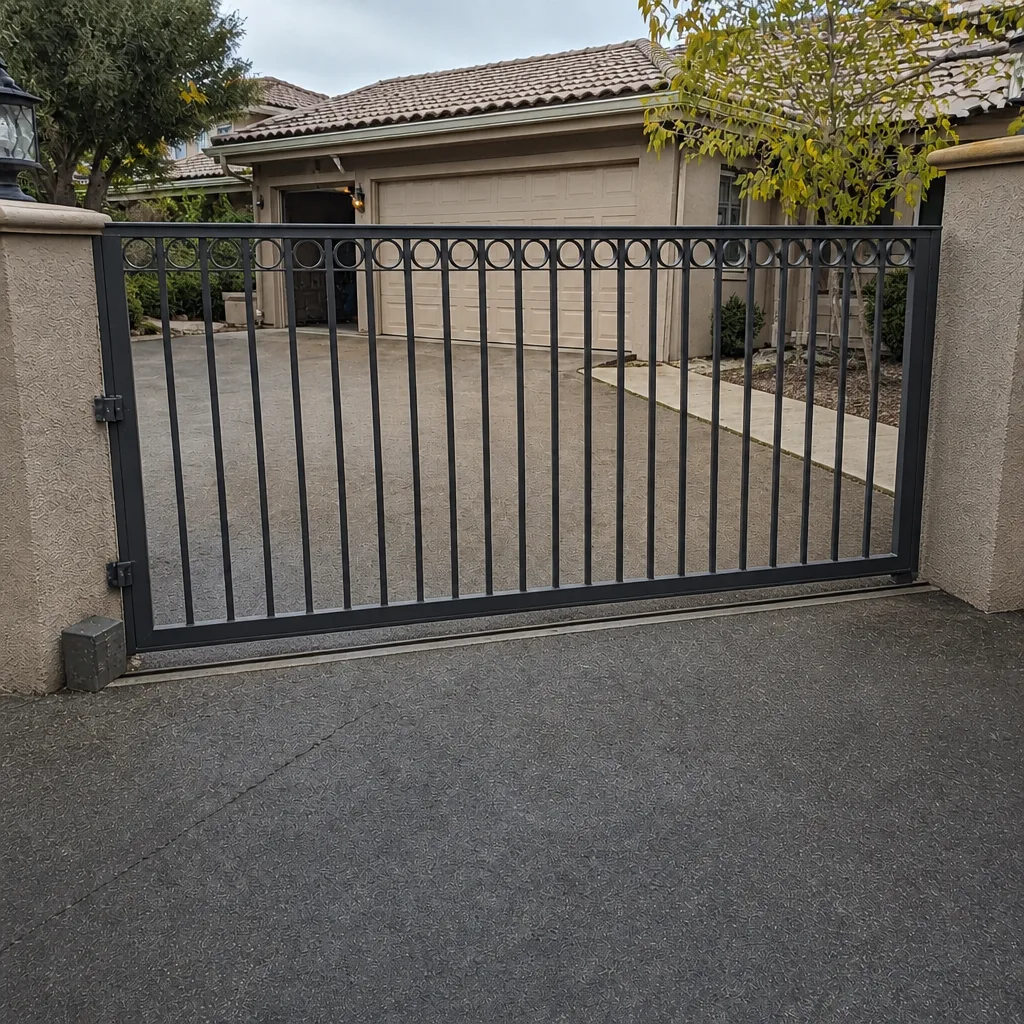
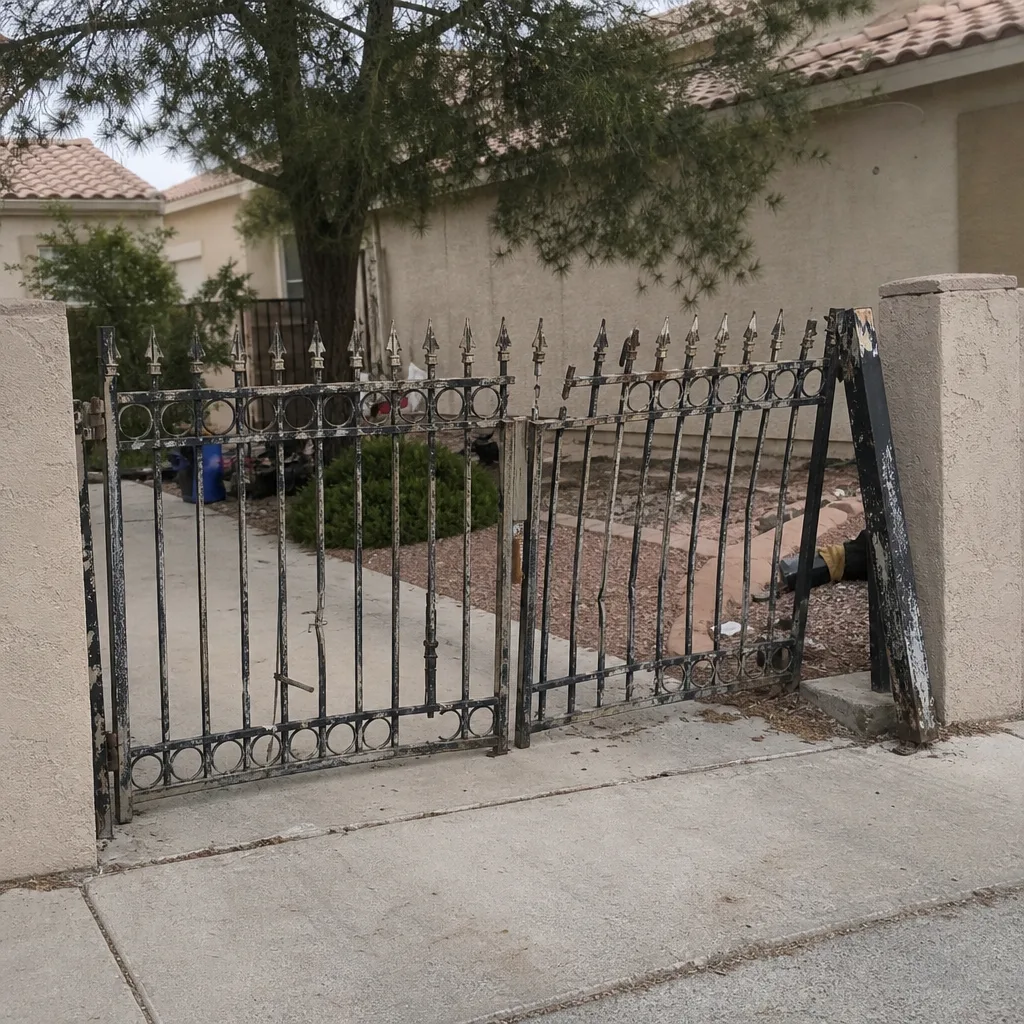
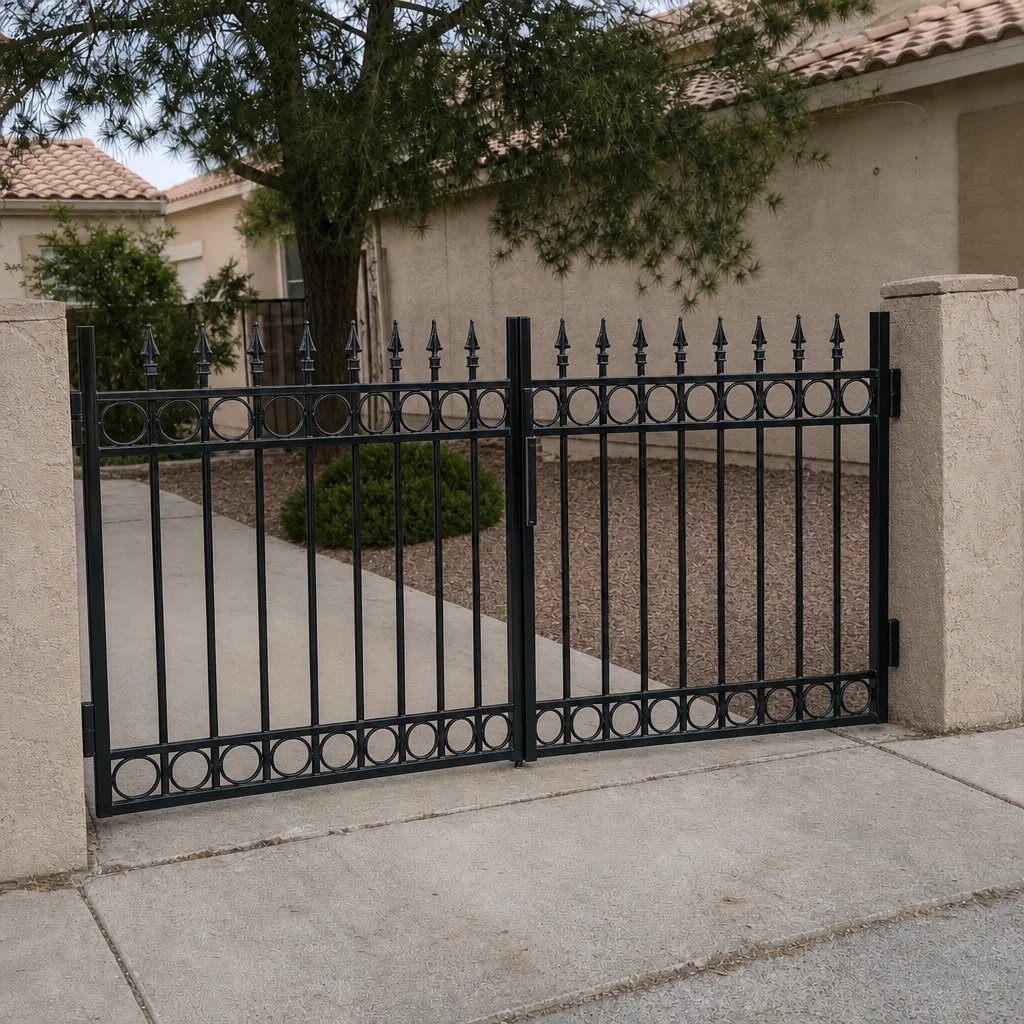
See the difference
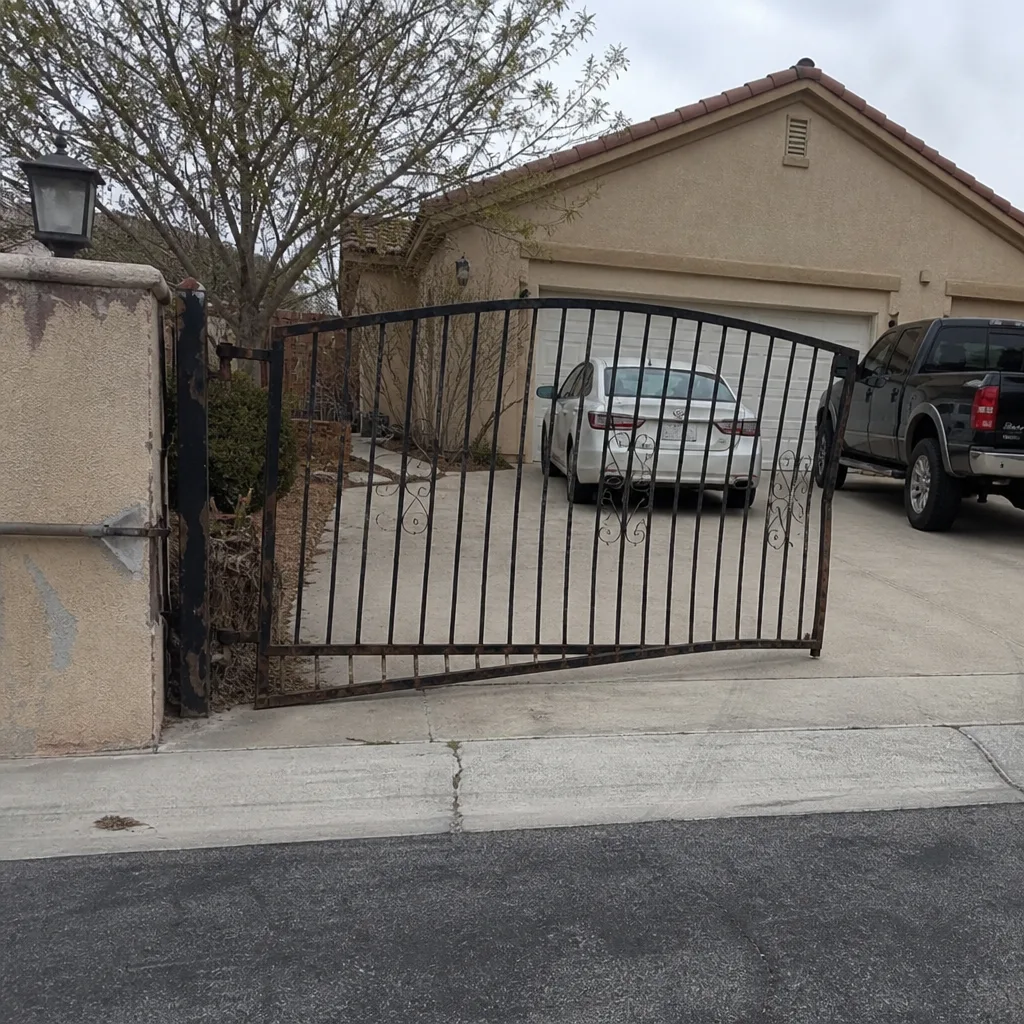 Before
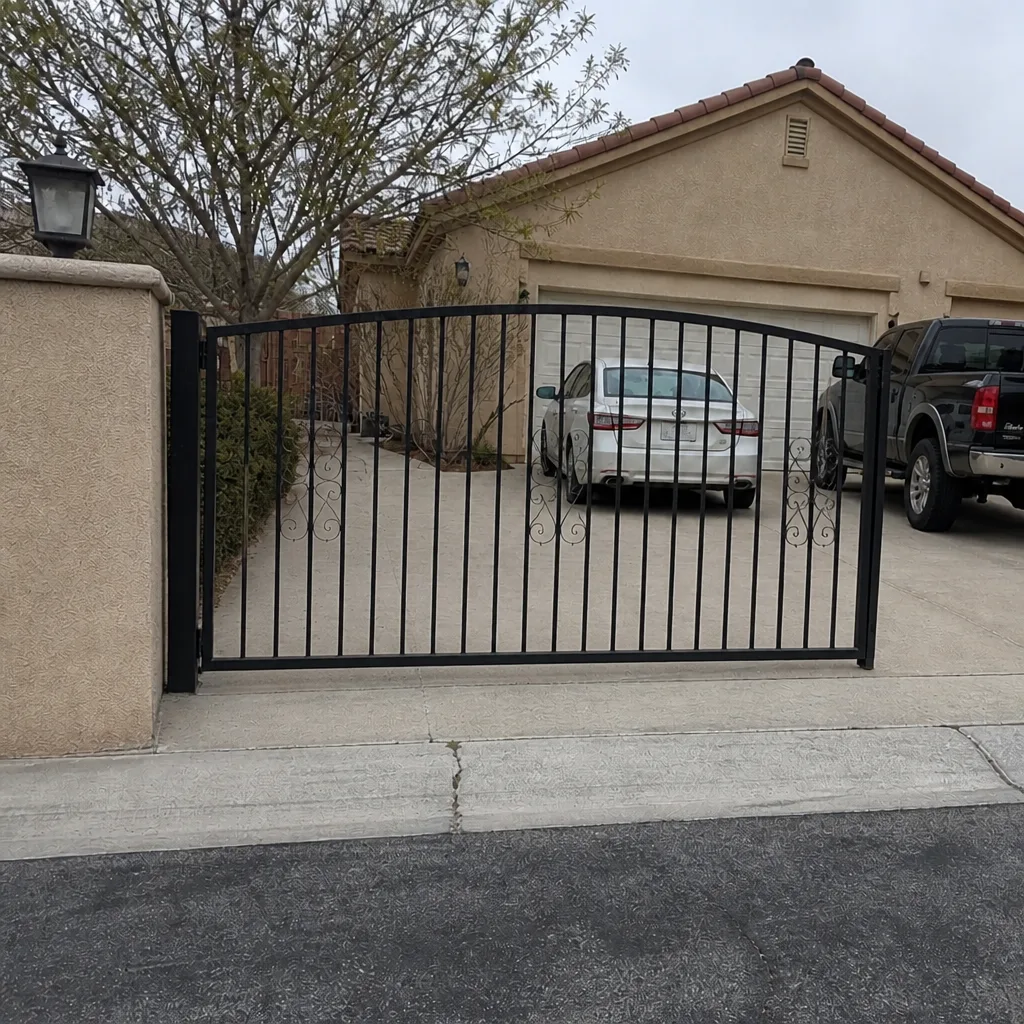 After
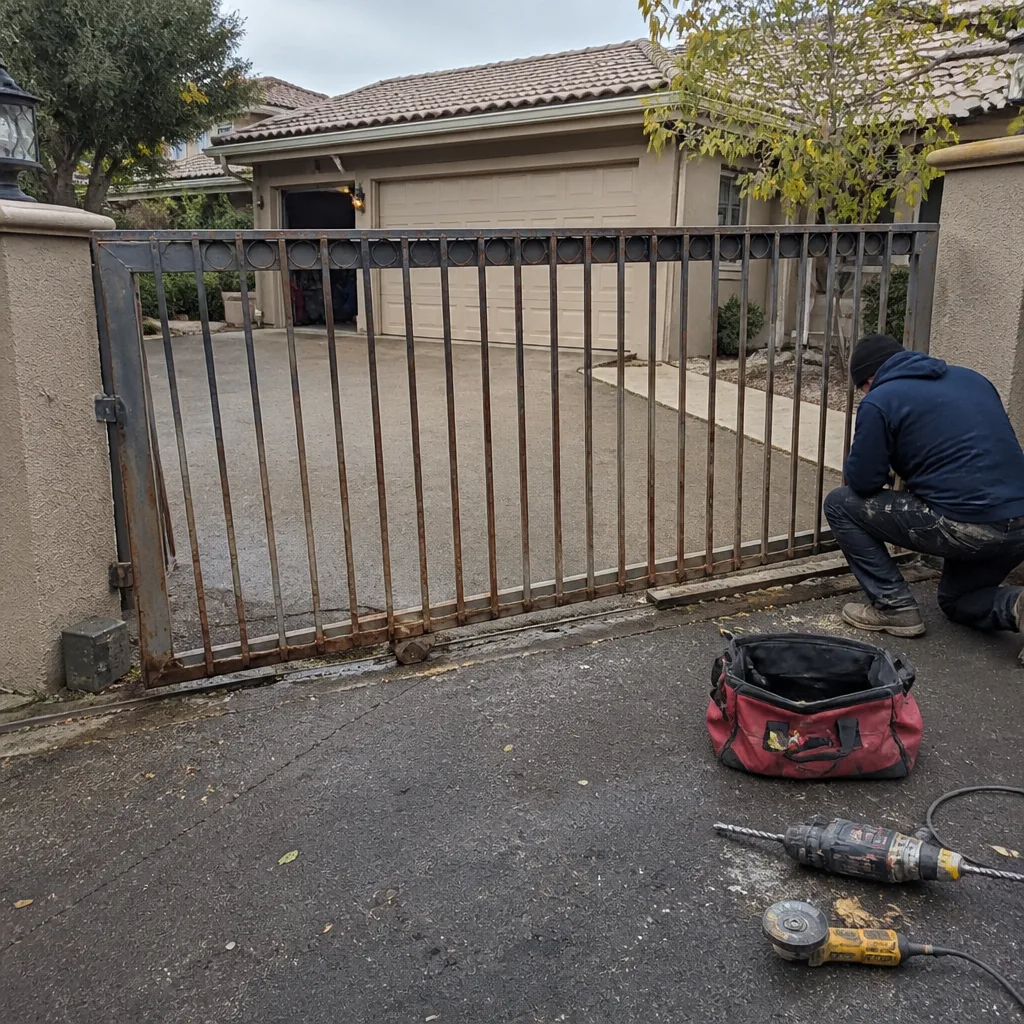 Before
 After
 Before
 After
When to Call a Professional
Call a professional when your gate stumbles or stalls in the summer heat, trips its overload repeatedly, reverses at random, or won’t hold position. Call when you’re adding a heavier gate and the existing motor is near its limit. Call before you order a motor for a new install, so the sizing gets done against your gate’s real weight, width, and cycle count rather than a guess. And call if a quote for a new operator leaves out the power run or the safety edges. These are electrical and heavy-machinery jobs, and a trained technician sorts them on the first visit. Ironworks Gate Co. Summerlin offers free estimates in Summerlin; call (866) 623-9848.
Frequently Asked Questions
Match the opener to gate weight, width, real daily cycles, and summer heat derating, in that order. Most standard Summerlin driveways do well on a mid-grade swing, ram, or slide operator, while estate lots in The Ridges need a heavy-duty class. An honest cycle count plus heat margin tells you the minimum rating to buy above. Call (866) 623-9848 for a free estimate that sizes it correctly.
Heat. Summerlin’s summer highs past 110°F push motors toward their thermal limits, so a unit rated for a set number of daily cycles delivers less before it overheats and trips. Motors that run hot, run often, and never get headroom wear out years early. Sizing up for heat is the single biggest fix.
Often yes. Many Summerlin master-planned communities review exterior changes, and rules can cover noise, finish, and remote frequency. Check your specific association’s architectural guidelines before ordering equipment. We can help you read the requirements during a free estimate; call (866) 623-9848.
Both move a sliding gate, but rack-and-pinion tends to run cleaner and quieter over time, while chain drive is common and reliable when maintained. In Summerlin, quieter operation can help with HOA noise limits. The right choice depends on your gate’s weight and width.
Call us and we’ll tell you straight. Ironworks has a live person answering 24 hours a day, and most repair jobs are completed in a single visit with the upfront price agreed before any work starts. Call (866) 623-9848 for an exact quote; estimates are free.
A motor correctly sized for gate weight, cycle count, and Summerlin heat should run for many years rather than being replaced every four. Undersized motors die young because they run hot constantly. Our technicians have up to 13 years of experience sizing and servicing these systems, and every job is backed by the written 90-Day Done Right Promise.
The Bottom Line
Choosing a gate motor in Summerlin comes down to sizing it for the real world, not the spec box. Weight and width come first, then an honest daily cycle count, then a generous margin for Mojave heat, then your HOA’s rules on noise and finish. Do those four things and the right motor class becomes clear, and you get fifteen years of service instead of four. Skip the heat margin and you’ll pay for it repeatedly. Ironworks Gate Co. Summerlin connects homeowners with independent local gate professionals trained on nine major automation brands, with upfront pricing settled before work begins, most jobs done in a single visit, and a written 90-Day Done Right Promise behind every one. For the full scope of what we cover, start at the Ironworks Gate Co. Summerlin home page, or call for a free written price.
When you’re ready, call (866) 623-9848 for a free estimate. A live person answers every call, and we’ll size the job right the first time.
Written by the team at Ironworks Gate Co. Summerlin.