
Last updated November 17, 2026
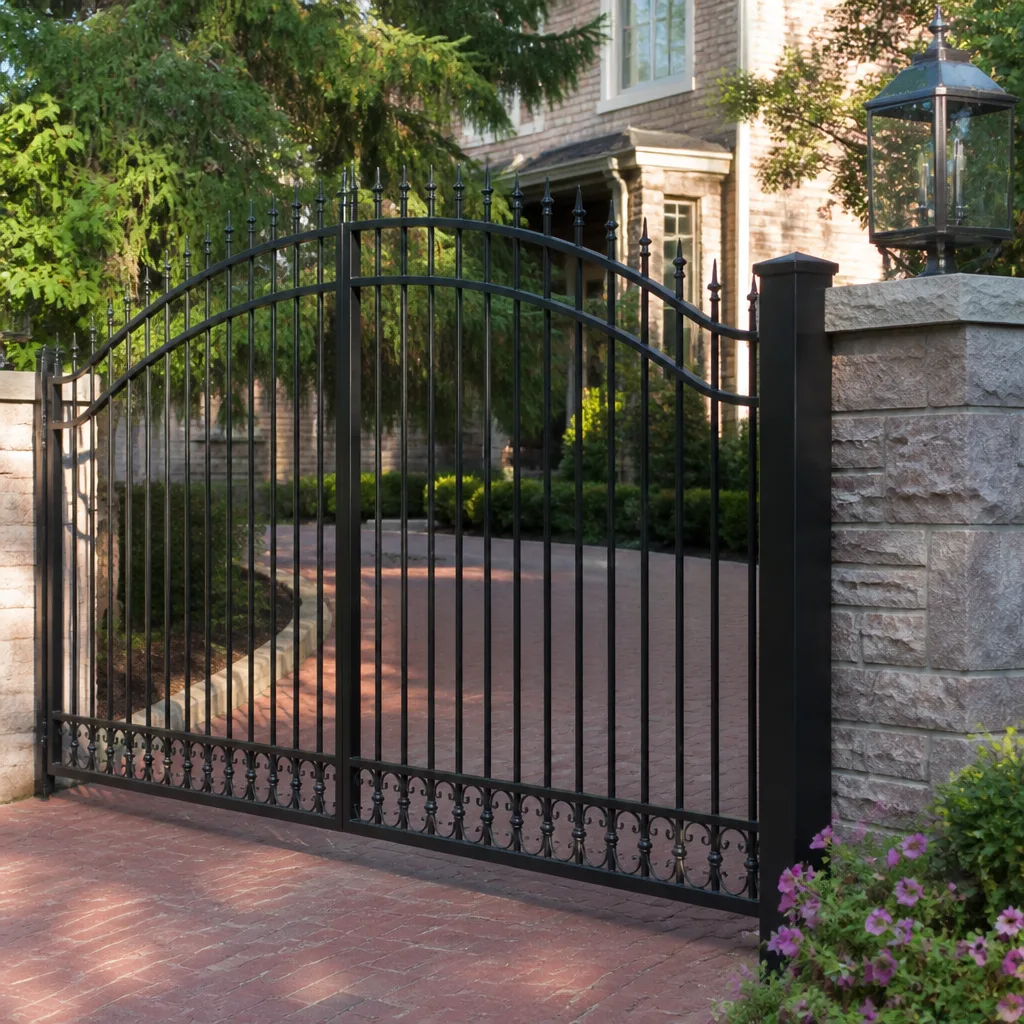 Wrought iron
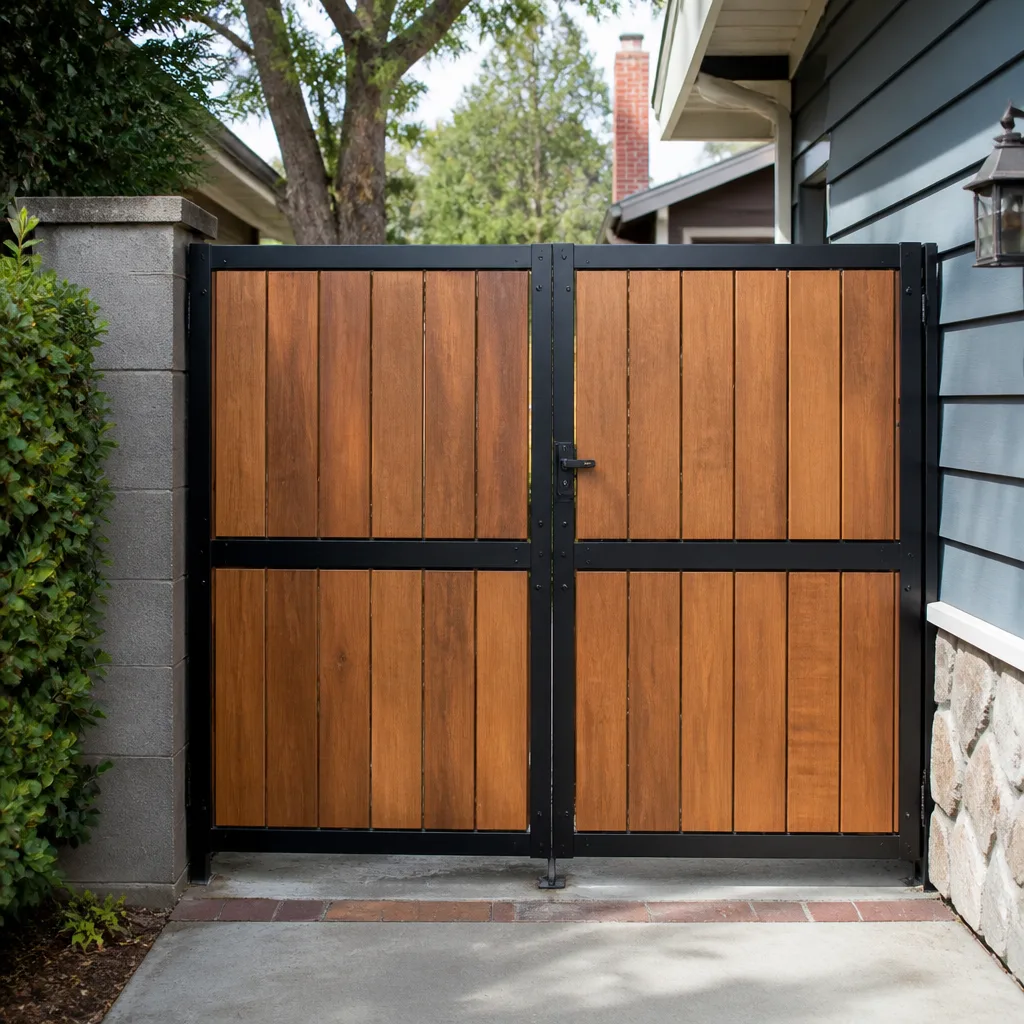 Wood & steel frame
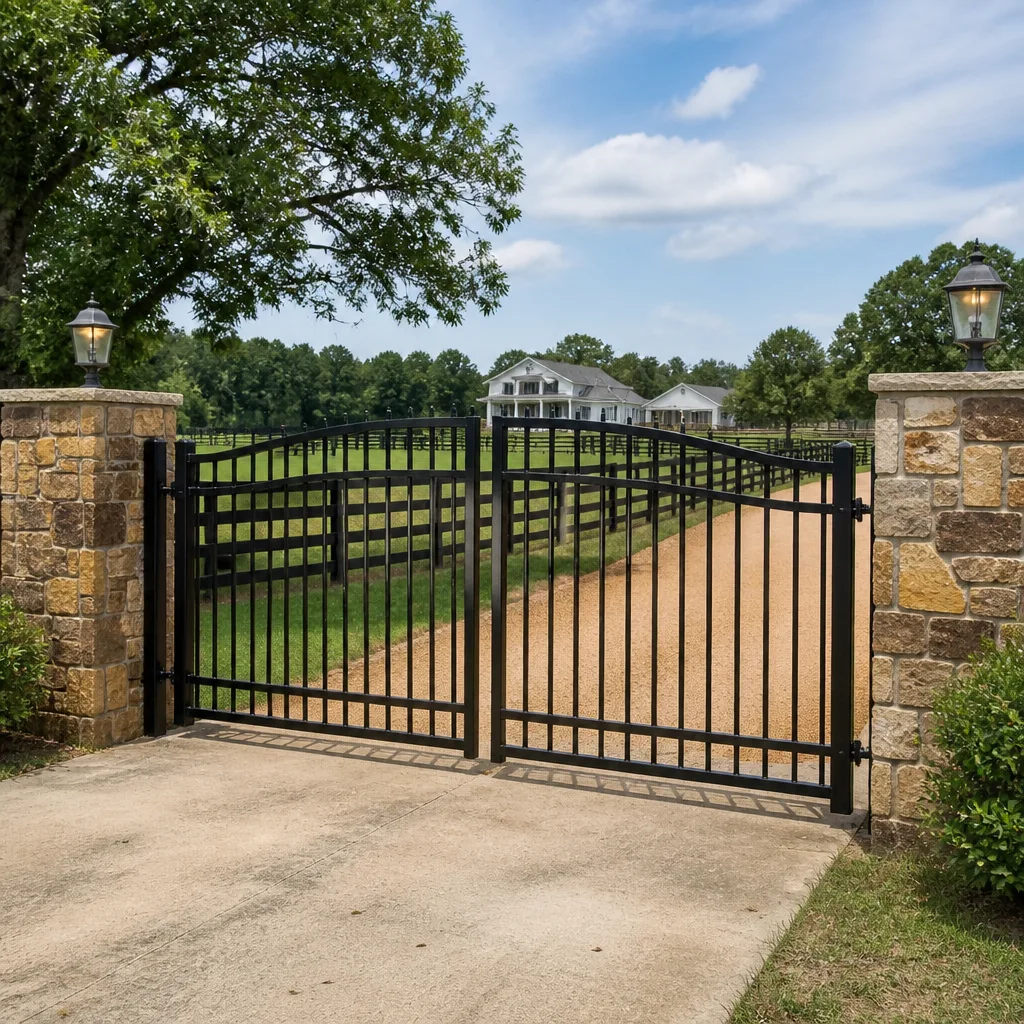 Farm & ranch
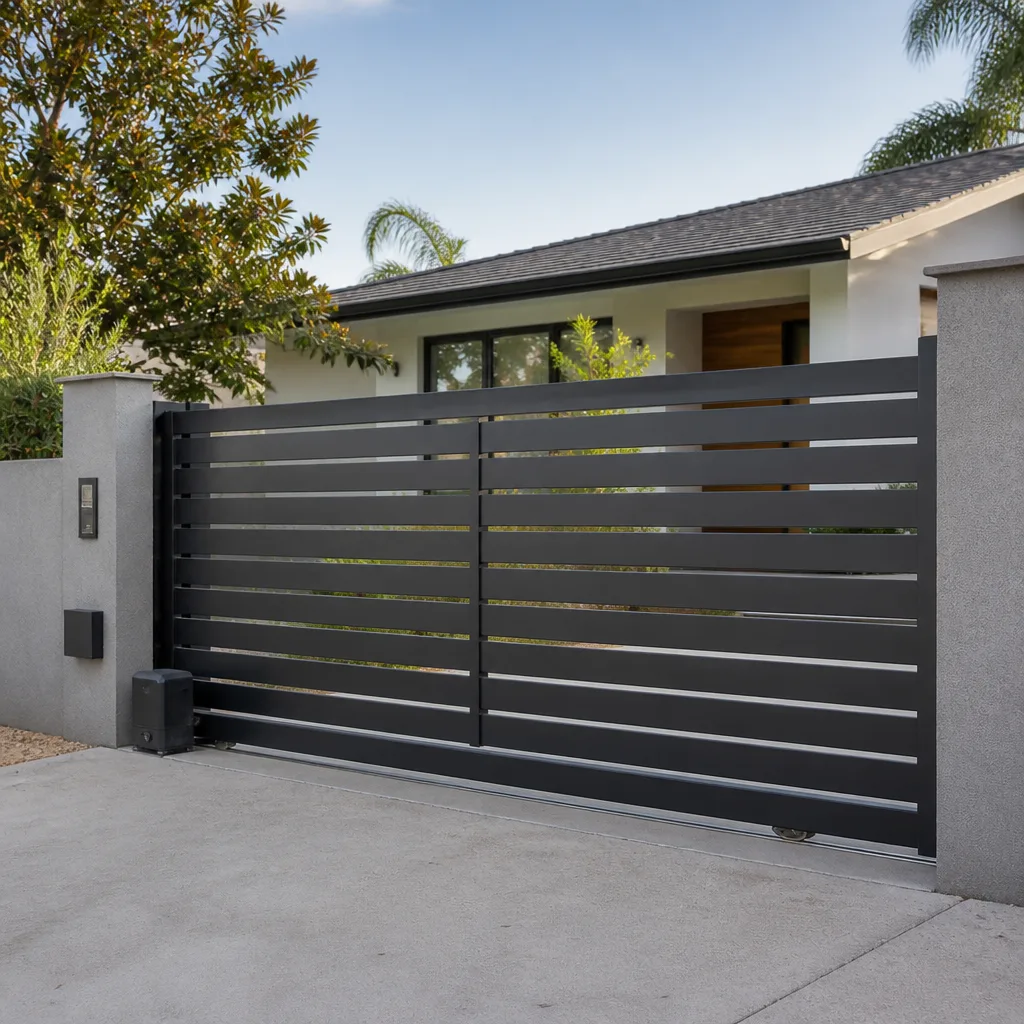 Sliding driveway gates
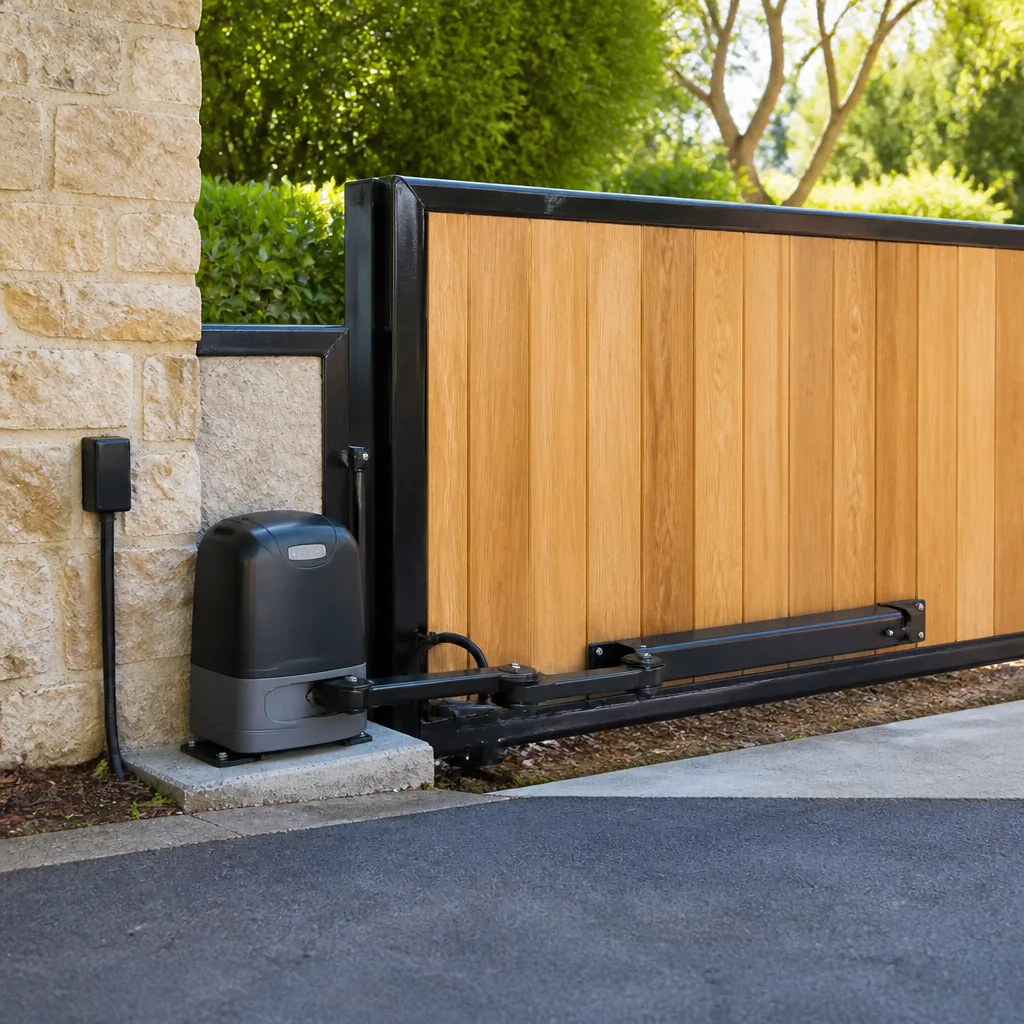 LiftMaster operators
Free on-site gate assessment - hinges, posts, and your LiftMaster or Nice gate operator checked before anything is quoted
The assessment is free and the quote is the invoice.
Get your free estimateThe Complete Gate Access Control Guide for Summerlin Homeowners
The most common access control complaint we hear in gated Summerlin communities isn’t a dead keypad or a gate that won’t latch. It’s a system that works fine until a housekeeper changes, a teenager keeps a code they shouldn’t, or a vacation rental host needs to issue a temporary credential the system was never built to handle. The gate opens and closes. The access layer around it quietly fails to serve the owner. Summerlin sits at the edge of Red Rock, where empty summer homes and second homes make guest-code management a year-round issue. This guide covers access control tiers, credential types, integration realities, and HOA requirements so you can plan the layer instead of patching it.
Quick Answer
In Summerlin, gate access control should be chosen before the opener and the keypad, because the credential system you pick decides whether you can issue temporary codes, revoke a code remotely, manage a rental turnover, or meet HOA visitor-management rules. There are five credential types in common use (PIN, RFID fob, video intercom, license plate recognition, and Bluetooth) and four integration paths (native app, third-party module, cloud platform, or none). Pick the tier that matches how the property is actually used, then verify the opener supports it. Done right and backed in writing, a Summerlin access layer lasts well past the point a cheap keypad fails.
Styles & brands we work with
- Wrought iron
- Wood & steel frame
- Farm & ranch
- Sliding driveway gates
- LiftMaster operators
Table of Contents
- Why Access Control Comes Before the Opener
- The Four Access Control Tiers for Summerlin Properties
- Credential Types Compared: What Survives Desert Sun and Dust
- The Integration Landscape: What “Smart” Actually Means
- Summerlin HOA Access Requirements and Visitor Management
- The Future-Proofing Checklist
- How an Access Control Decision Plays Out in Practice
Why Access Control Comes Before the Opener
Most gate projects start with the arm or the motor, then someone adds a keypad at the end. That sequence makes every later decision harder. If the opener wasn’t chosen with access control in mind, adding smartphone control later means a third-party module, an extra transformer, and a separate app. If the keypad is bare, every guest code is a trip out to the pillar. If the intercom was never planned, the video call comes from the wrong place.
In our experience serving Summerlin estates and single-family homes, the projects that age well are the ones where the homeowner answered one question first: who needs to get in, how often, and how will those credentials change? A resident who lives on site year-round needs a different system than the owner of a rental villa in The Ridges who manages turnover from out of state.
Summerlin’s climate sharpens this. Dust accumulates on keypad membranes, sun bleaches printed numbers, and radio interference from dense hillside wiring makes cheap wireless keypads flaky. A credential system that ignores those realities gets replaced inside three summers. The Summerlin home at Ironworks Gate Co. is only as secure as its access layer, and that layer deserves the same forethought as the hinges and the motor.
The Four Access Control Tiers for Summerlin Properties
Access control isn’t one product. It’s four products that scale based on how a property is used. Match the tier to the property, not to the opener.
Tier 1: Single-Family Primary Residence
A household that lives on site full time needs a PIN keypad with a small number of codes, typically one for family, one for the housekeeper, one for the gardener, and one spare. Credential churn is low. Reliability is high. A fixed-code LiftMaster or Linear keypad handles this for years if it’s the right model and mounted under the correct eave to shade it from afternoon sun.
Tier 2: Vacation Rental / Second Home
A short-term rental in Summerlin or a second home in Red Rock Country Club needs temporary codes and remote revocation. That means a cloud-connected keypad or a video intercom that can issue a code by phone and expire it automatically. Without this, every turnover becomes an on-site visit, and stale codes accumulate.
Tier 3: Estate with Staff
Household staff, landscape crews, pool service, and delivery access each want a separate credential. That calls for an RFID fob or multi-code keypad with schedules: the pool crew gets Thursday only; the housekeeper’s fob works 8 a.m. to 5 p.m.; the delivery slot gets a code that expires tonight. DoorKing and Elite control panels are built for this class of work. This is the tier that pays for itself fastest in a Summerlin estate because it stops the “everyone knows the gate code” problem permanently.
Tier 4: HOA-Governed Community Entrance
Entrance access in a Summerlin master-planned community is owned and administered by the HOA or its contracted access provider. The homeowner’s role is usually limited to selecting compatible in-home hardware and connecting to the community’s visitor-management portal. Compatibility with the community’s vendor is a hard requirement, not a preference. Some Summerlin associations require a specific visitor-management platform, and buying an incompatible intercom can mean returning it.
Credential Types Compared: What Survives Desert Sun and Dust
Every access control system is a credential system. The credential is the thing that proves identity. Five types matter for a Summerlin gate, and their reliability varies.
PIN Keypad
Most reliable, least flexible. Mechanical and modern membrane keypads both work, but in Summerlin the sun bleaches printed numbering, and fine dust settles into the gaps. Mount under a shaded eave or pillar cap. Lifespan is 8 to 12 years for a quality LiftMaster unit. Wi-Fi-enabled keypads with remote code management are common on newer installs. Reliability in desert heat depends far more on shading than on brand.
RFID Fob
The estate favorite. Fobs survive heat and dust, they can’t be guessed, and they’re easy to program, revoke, and replace. FAAC and DoorKing readers are proven here. Fobs on a keyring get lost; that’s a management problem, and the fix is short-lived credentials and a system that manages them.
Video Intercom
Best for guest management, harder on infrastructure. A video intercom lets a housekeeper ring for access instead of memorizing a code. Reliability in Summerlin depends on the wiring path and the sun exposure at the pillar. Cheap wireless intercoms fail in summer heat. Wired intercoms with a dedicated power run hold up for years.
License Plate Recognition (LPR)
Powerful, but the wrong default for most homes. LPR is used in community entrances and some large estates. It works well in clear daylight and struggles in low sun angles, heavy dust after a windstorm, and when visitors drive a rental. For a Summerlin single-family home, an LPR system is usually overspending. For a managed community entrance, it can be a substantial operational win. Know which problem you’re solving.
Bluetooth / Smartphone-Only
Convenient, with a real failure mode. Smartphone access is excellent for the resident and awkward for staff, guests, and any visitor without a phone. A Bluetooth-only gate is a common complaint source because every contractor and delivery driver has to be walked through the app. Treat smartphone access as an addition, not a replacement, for the primary credential.
The Integration Landscape: What “Smart” Actually Means
“Smart gate” gets used to describe four very different realities. Only one of them means what the marketing implies.
- Native app control. The opener was built with a cloud connection. The app controls the gate, issues codes, and logs openings. LiftMaster’s myQ is the clearest example. This is what people assume “smart” means, and it’s the cleanest to live with.
- Third-party add-on. The opener is older or basic, and a separate module adds connectivity. The result works, but each add-on is a component that can fail, and the app experience is usually less refined.
- Cloud-managed access panel. Common with FAAC, DoorKing, and Elite systems. The panel is the controller; the cloud is the interface. Built for estates and multi-credential management. The right answer for Tier 3, not for Tier 1.
- Manual-only. No app, no cloud. The credential is a code or a key. Legitimate and reliable, but it doesn’t solve rental turnover or estate credential churn.
When someone tells you a Summerlin gate is “smart,” ask what class of integration they mean. If the answer is a phone app that talks to a cloud service, you’re in class one. If the answer is an app that talks to a module that talks to the gate, you’re in class two, and you need to know that. For a property where the access layer will be relied on for years, choose the opener and access controller together. That’s the reason we emphasize the gate motor and opener decision as an access decision rather than a motor decision.
Summerlin HOA Access Requirements and Visitor Management
Summerlin is a collection of master-planned associations, not one entity. Each HOA or its contracted access provider owns the entrance hardware, and the homeowner’s job is to match the home system to it. In practice this means three things matter.
- Vendor compatibility. Some Summerlin associations use a specific visitor-management platform. Before you buy an intercom or cloud keypad, confirm the vendor and the model. An incompatible purchase is a return, not a mistake you can fix with a firmware update.
- Credential format. If the community uses RFID transponders or a phone-based pass, your home system should accept or complement that format. Two credential sets for one house is a management headache.
- Visitor-pass procedures. Most Summerlin communities require guests to be registered as a visitor pass through the portal, not handed a code. The home access system should make that handoff clean, usually a video intercom that lets the resident ring back to the caller and open the gate in one step.
When the HOA entrance and the home access layer are planned together, the resident never has to walk out to the pillar for a housekeeper. When they’re planned separately, the property ends up with two systems that don’t speak to each other. We’ve seen this most often in the newer Summerlin villages where the association vendor was locked in before the homeowner chose the driveway hardware.
The Future-Proofing Checklist
Access control ages faster than a gate motor. The controller decisions age fastest of all. Ask these questions before you sign the estimate.
- Can the system add a credential type later? If you start with a keypad, can a video intercom or RFID reader be added to the same controller? A no here means a full replacement later.
- Can credentials be managed remotely? Revocation is the metric. If a code can only be deleted at the pillar, the gate is a weekend project waiting to happen.
- Does the manufacturer still support the model? Cloud services shut down. Before you buy, ask how long the vendor commits to app support. A model with less than five years of announced support is a bad long-term choice.
- Will it integrate with home automation you may add? If you might add a smart-home hub for lighting or cameras later, confirm the access controller exposes an integration path. Many do; some don’t.
- What does the HOA vendor require? Compatibility is a pre-purchase question, not a post-purchase problem.
- Can the system support guest turnover? If the property is ever rented, temporarily occupied, or hosts regular staff, ask the vendor to demonstrate guest code creation and revocation on the app before you buy.
- What is the failure mode? A good controller fails in a way the owner can diagnose. A bad one fails silently, usually in the middle of a Saturday with the gate half-open.
Ask those questions of every system you consider, whatever brand it carries. The right answer for a single-family Summerlin home is rarely the right answer for a rental or an estate, and any vendor who quotes the same controller for both hasn’t listened to the property.
How an Access Control Decision Plays Out in Practice
Here’s a realistic sequence for a Summerlin property, worked the way we plan it. The order matters more than the specific brands.
- Map the property’s use. Is it a full-time home, a seasonal residence, a rental, or an estate with staff? Each use case wants a different tier.
- Identify the HOA constraint. Confirm the association’s entrance vendor and any mandated visitor-management platform before selecting a controller.
- Select the credential mix. Primary credential (PIN, fob, or app), secondary credential (intercom or fob), and a backup path that doesn’t depend on the internet.
- Choose the opener and access controller together. The controller and the opener are one system. This is the piece most homeowners get wrong, and it’s also the piece most worth the free second opinion. A written estimate reviewed before the work starts is the only way to see the integration issue.
- Confirm the power run and the safety edges. Done correctly, a new access install includes dedicated low-voltage power and photoelectric safety edges. Skipped on a low bid, they’re a safety and reliability problem within the first year.
- Test the credential lifecycle. Before we sign off, the property owner walks through issuing a code, revoking a code, and turning the gate by hand. If the owner can’t do all three, the install isn’t done.
The reason we sequence it this way is simple. An access control layer that’s planned around the property’s real use gets used. One that’s dropped onto a gate as an afterthought becomes the source of every complaint the owner has about the gate for the next decade. For a full walkthrough of the installation side, see gate installation in Summerlin, and for motor and opener specifics, the gate motor and opener page covers the compatibility questions we ask in step four.
Common Mistakes to Avoid
- Buying the keypad last. The credential system is the access layer. Buy it first or the opener forces an add-on that you’ll replace in three years.
- Skipping the HOA vendor check. Summerlin associations frequently mandate a specific visitor-management platform. Buying an incompatible intercom is a return, not a fix.
- Trusting “smart” without a definition. Ask whether the app controls the gate natively, via a third-party module, or not at all. The word means three different things.
- Mounting the keypad in the afternoon sun. A pillar-mounted keypad on the west side of a Summerlin gate will fade and fail inside two seasons. Shade is a design decision.
- Ignoring credential churn. A system that can’t revoke a code remotely is a system that will eventually be handed a code nobody can retract. Plan for revocation from day one.
- Choosing Bluetooth-only. A phone-only gate is a complaint every time a contractor shows up without the app. Add phone access; don’t make it the only path.
- Skipping the safety edges and the power run. Bids that skip them are lower for a reason. Photoelectric safety edges are a safety component; a dedicated low-voltage run is the difference between a reliable gate and a seasonal repair.
One note on the hardware itself: the metal layer under an access system gets neglected. If a credential problem keeps reappearing, the cause is sometimes a hinge or a sagging frame rather than the controller. That’s when gate repair in Summerlin belongs in the conversation before the access hardware is replaced.
See the difference
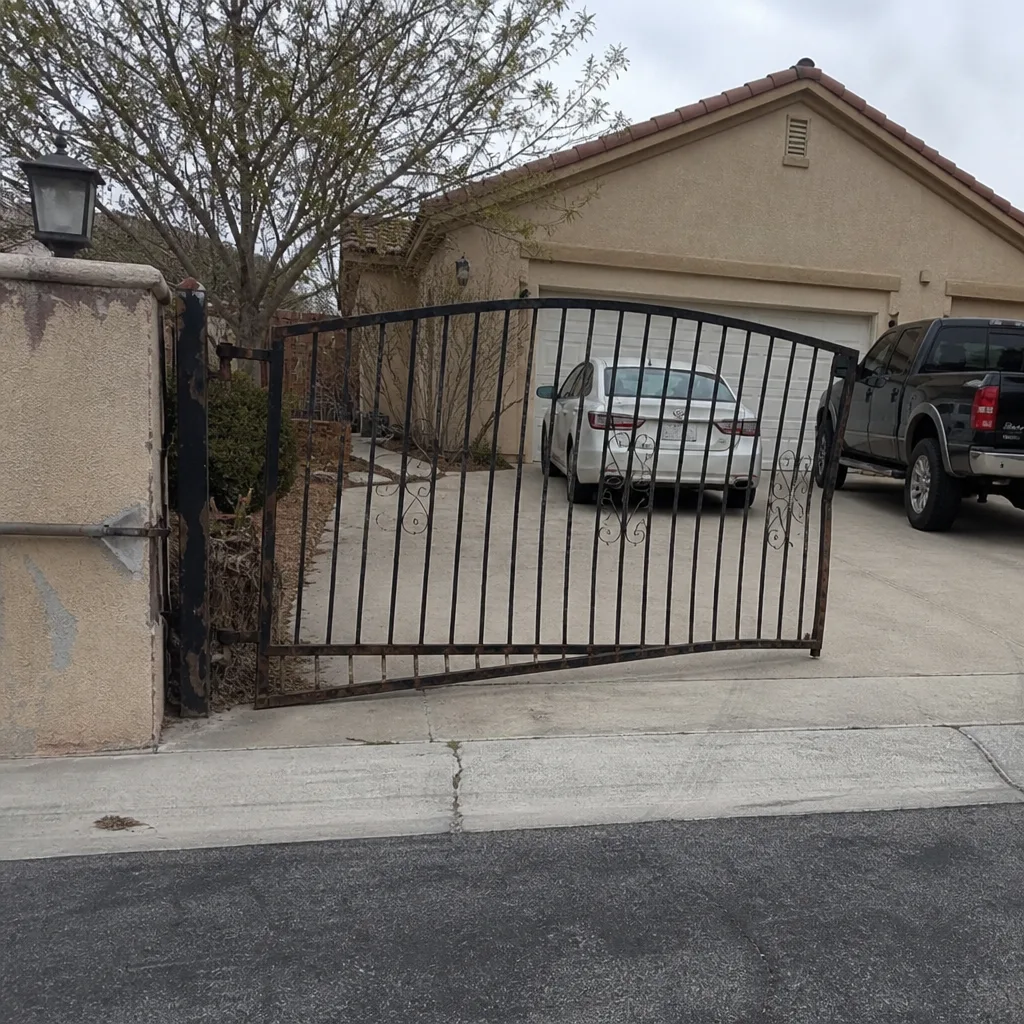 Before
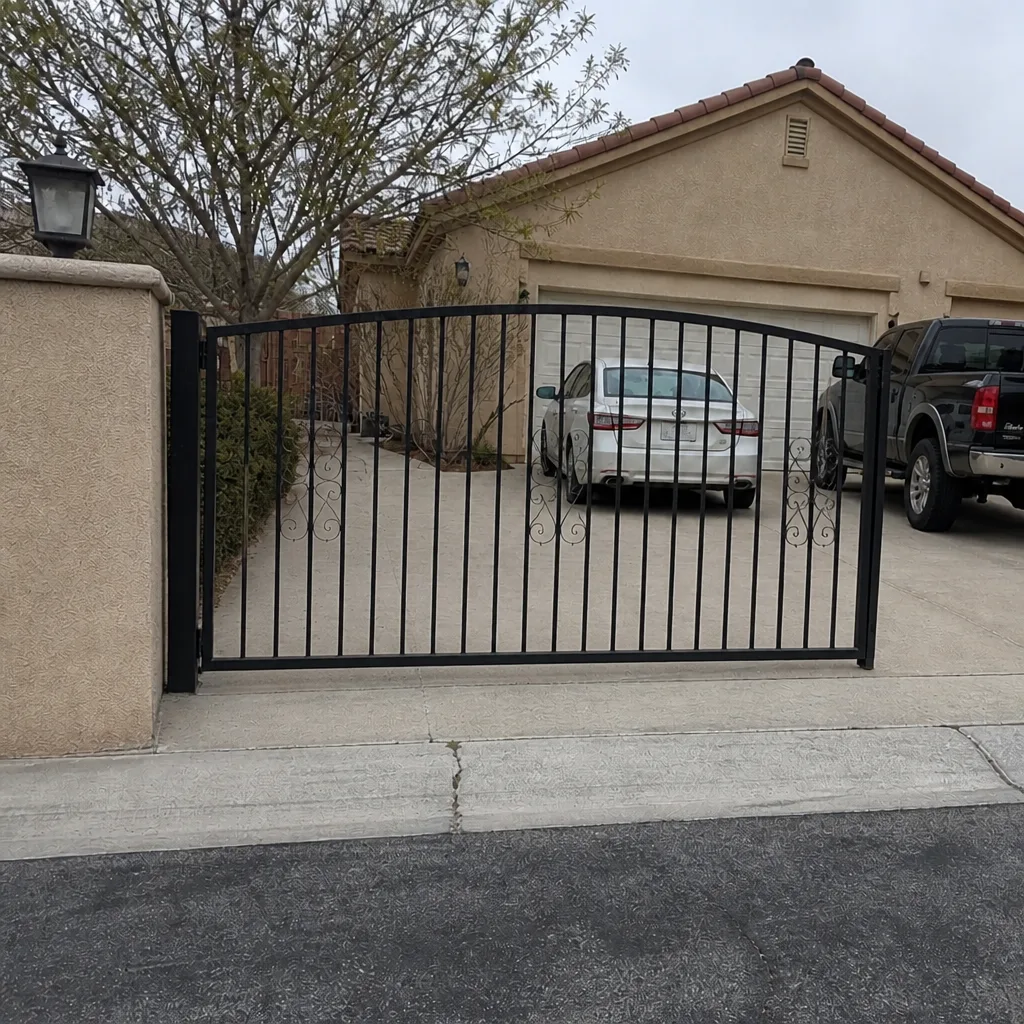 After
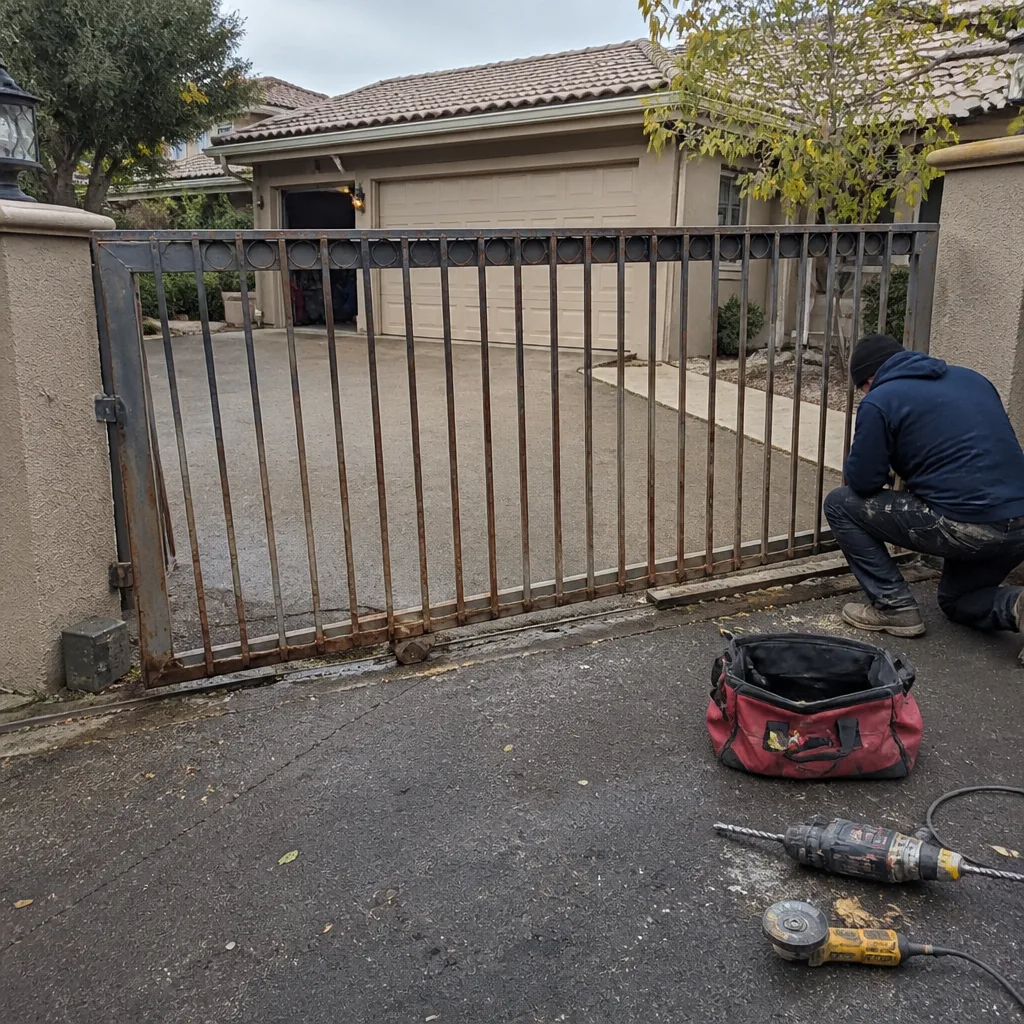 Before
 After
 Before
 After
When to Call a Professional
Most Summerlin access control decisions benefit from a trained pair of eyes. Call us when you’re not sure which tier fits your property, when the HOA vendor has changed and the current system no longer connects, when a keypad or intercom keeps failing in the summer heat, or when a rental needs temporary credentials that the current controller can’t issue. Call us before you buy an intercom you haven’t confirmed is compatible with the community vendor. Call us when the fault sits between the opener, the controller, and the gate itself and no single tradesperson has solved it after two visits. Ironworks Gate Co. Summerlin offers free estimates in Summerlin. Call (866) 623-9848.
Frequently Asked Questions
A PIN keypad with four to six codes, mounted under shade, covers most single-family Summerlin homes. Add a video intercom only if you regularly hand out guest credentials or want the ring-back convenience for housekeepers and delivery drivers.
Yes, if the opener supports native app control or a compatible add-on. LiftMaster systems with myQ and FAAC cloud panels both let you issue and revoke codes remotely. Confirm the HOA vendor compatibility first if your community mandates a visitor-management platform.
It can. Some Summerlin master-planned communities mandate a specific visitor-management platform, and the homeowner’s hardware has to integrate with it. Check with the association before purchasing an intercom or cloud keypad.
Not reliably. Sun bleaches printed numbers, dust settles into membranes, and an unshaded pillar-mount fails inside two seasons. Shading the keypad and choosing a model rated for desert heat is the practical fix.
Native app control means the opener was built with a cloud connection and the app controls the gate directly. Third-party add-ons achieve the same result through an extra module. Ask which class a system is before you buy.
Yes, with a cloud-connected keypad or a video intercom that issues temporary codes on a schedule. Without that, every turnover requires an on-site visit and stale codes quietly accumulate. Call (866) 623-9848 for an exact quote on the right configuration, and estimates are free.
The Bottom Line
Access control is the layer of Summerlin gate ownership that decides whether the property is easy to live in or a weekly chore. The credential system is the decision, and it should be made against how the property is used: single-family home, rental, estate with staff, or HOA-governed entrance. Desert heat and dust reward quality hardware and punish cheap keypads, and HOA vendor compatibility is a pre-purchase question, not a post-purchase problem. Future-proofing comes down to one thing: whether credentials can be issued and revoked remotely. Get that right in Summerlin and the gate stops being the topic of conversation.
If you want a plan rather than a quote, call us at (866) 623-9848 for a free estimate. We put the price in writing before any work begins, and every job is backed by our 90-Day Done Right Promise. Our technicians have up to 13 years of experience, we service nine major gate opener brands including LiftMaster, FAAC, Elite, and Mighty Mule, and there’s always a live person on the phone. Stand behind it. That’s the only way we do business in Summerlin.
Written by the team at Ironworks Gate Co. Summerlin.