
Last updated November 17, 2026
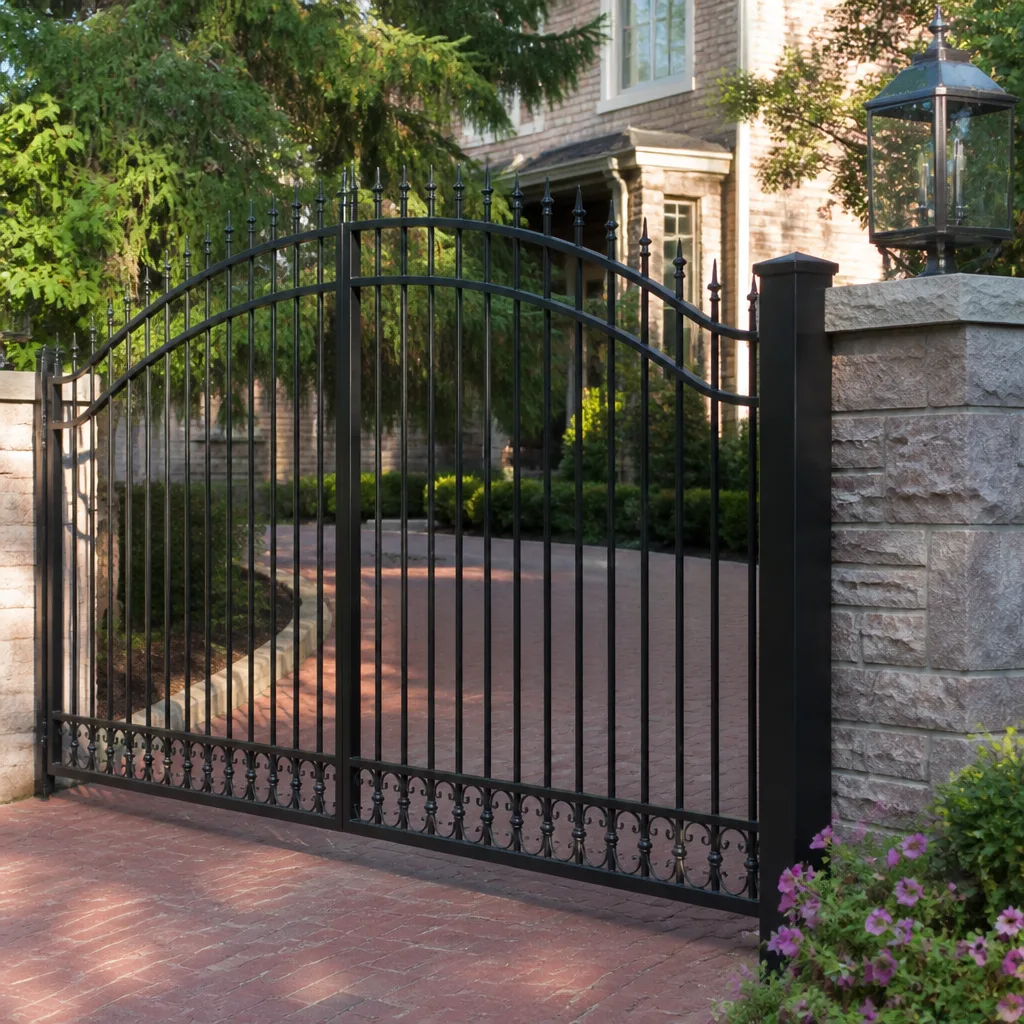 Wrought iron
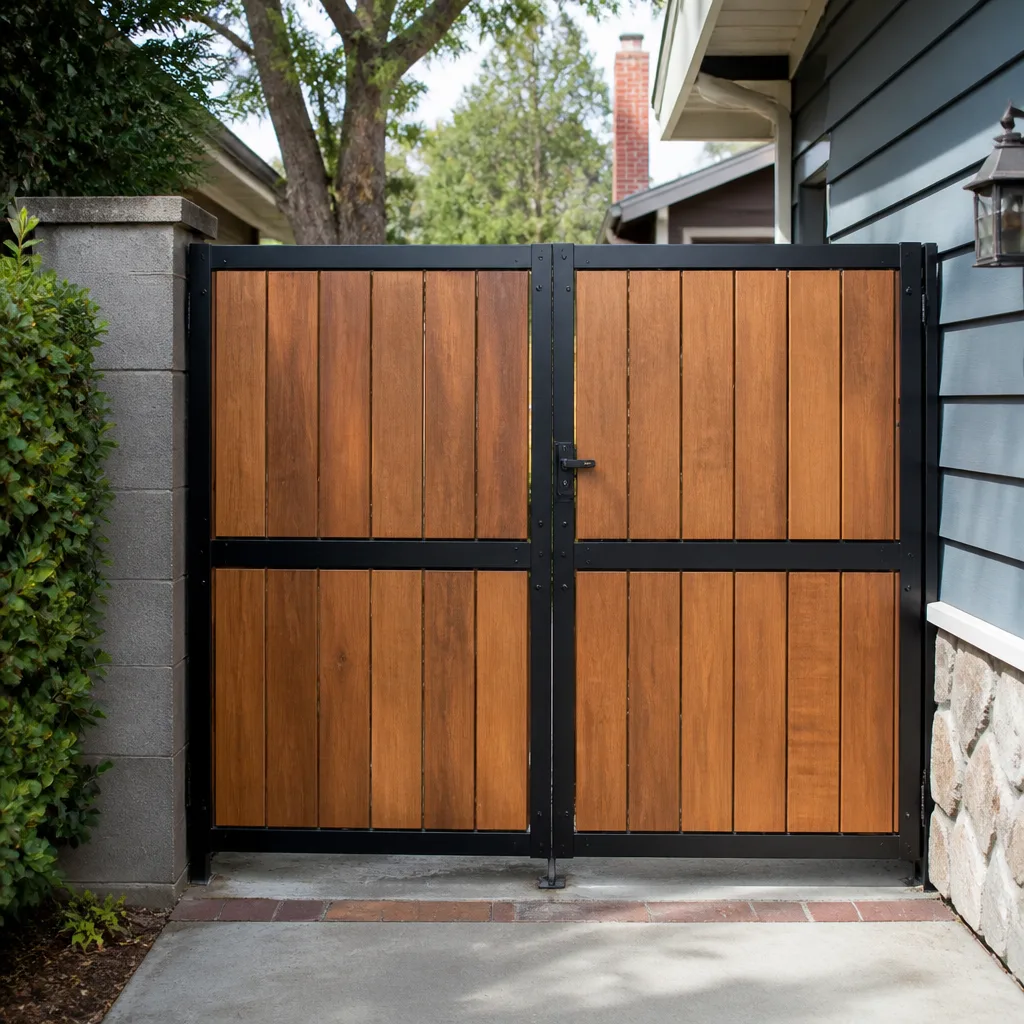 Wood & steel frame
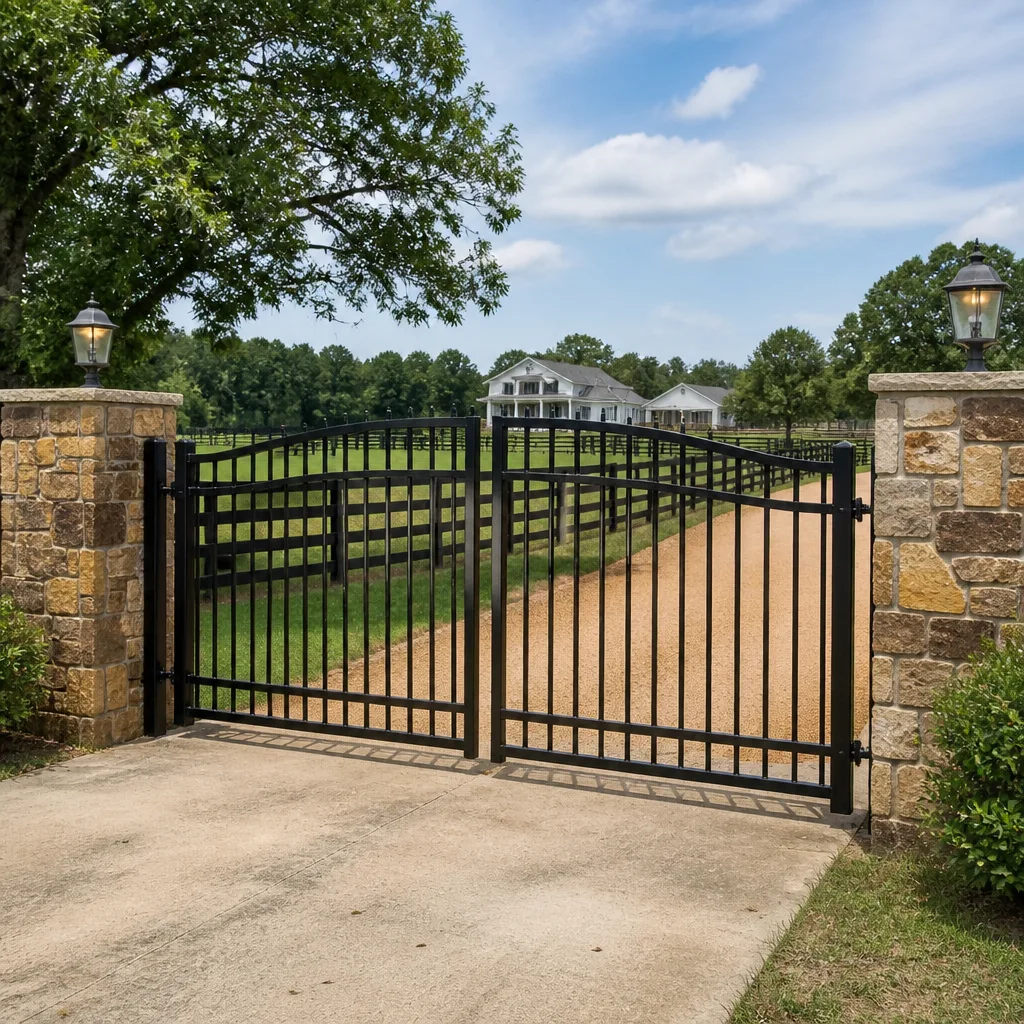 Farm & ranch
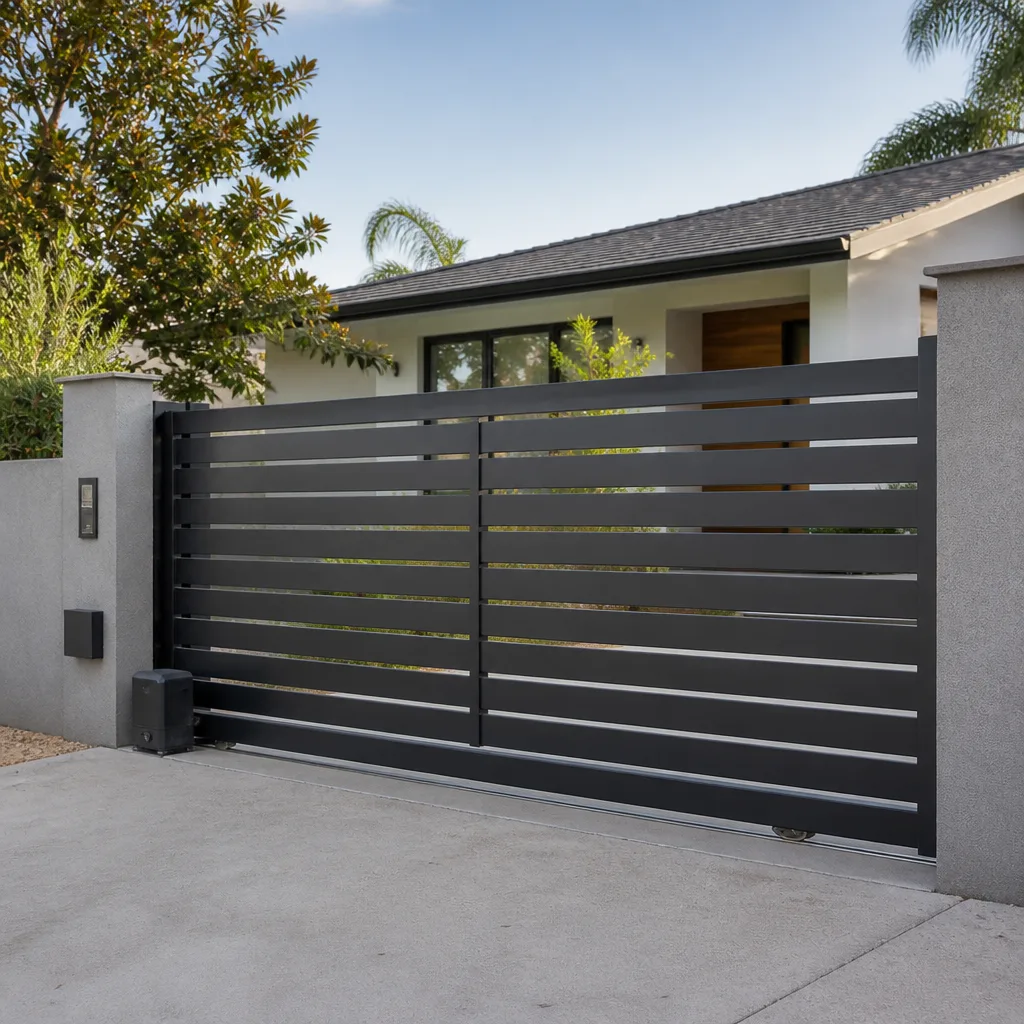 Sliding driveway gates
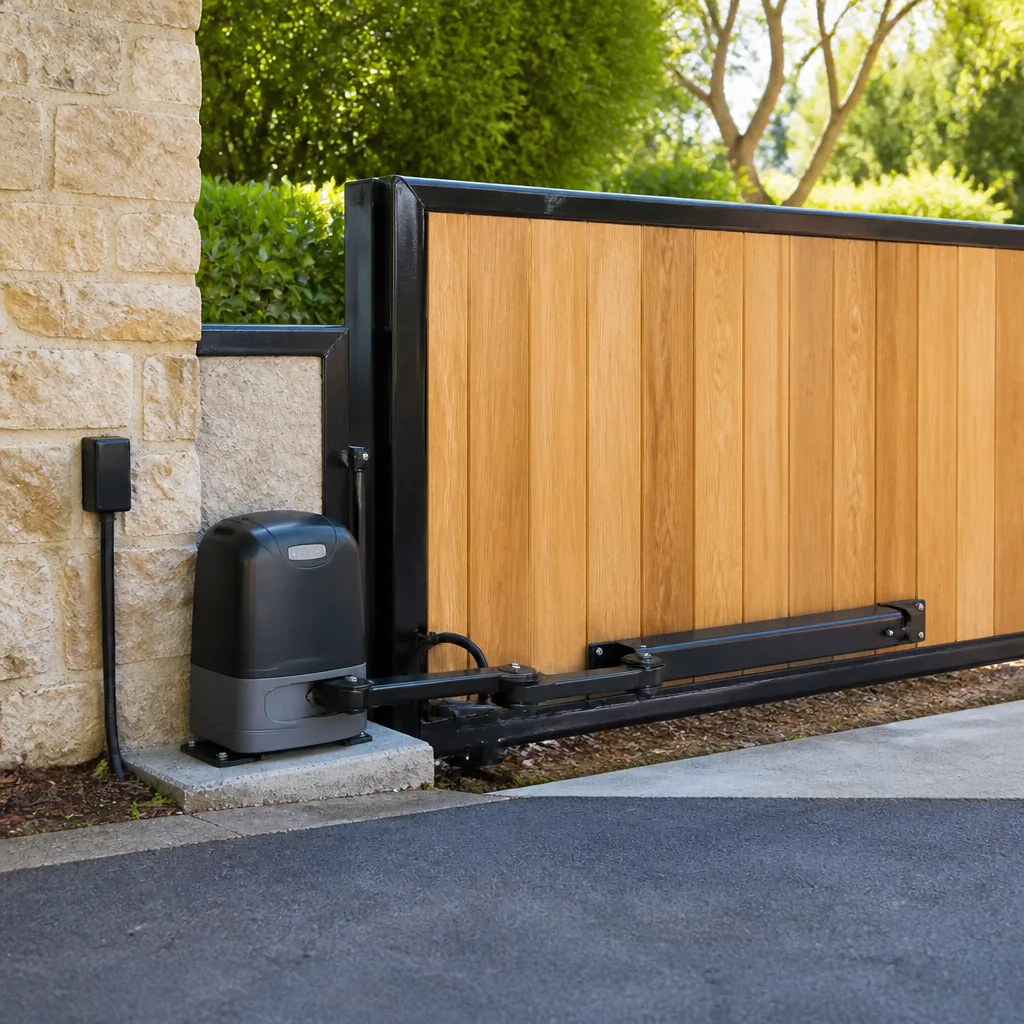 LiftMaster operators
Free on-site gate assessment - hinges, posts, and your LiftMaster or Nice gate operator checked before anything is quoted
The assessment is free and the quote is the invoice.
Get your free estimateHow Long Does Gate Motor & Opener Take? Timelines and What to Expect
A gate opener swap that takes under 90 minutes was almost certainly not load-tested, not limit-calibrated under the full weight of the gate, and not programmed for every entry device on the property. You won’t know that on the day it’s installed. You’ll know it on the first hot week in June, when the arm starts stalling halfway through its travel and the remote works only when you’re standing right at the keypad. We’re going to walk through what a real installation timeline looks like, phase by phase, so you can plan your week and spot a shortcut before it costs you a second call. This guide is written from Summerlin, where we’ve watched plenty of “quick swaps” come back around.
Quick Answer
A straight replacement with the same brand on a sound, balanced gate usually runs 3 to 5 hours from arrival to final walkthrough. A cross-brand swap, a new operator on an older gate, or an installation that needs a fresh conduit run through finished masonry typically lands between 6 and 10 hours and is often scheduled as a full day. The honest number depends less on the motor than on what the installer finds once the old unit comes off.
Styles & brands we work with
- Wrought iron
- Wood & steel frame
- Farm & ranch
- Sliding driveway gates
- LiftMaster operators
Table of Contents
- The Six Phases of a Gate Opener Installation
- Why a New Opener on an Existing Gate Often Takes Longer
- Straight Swap vs. Cross-Brand or Gate-Type Change
- Summerlin Time Factors: Permits, HOAs, and Stucco Columns
- Questions to Ask Before You Book
- What to Expect on Installation Day
- Common Mistakes to Avoid
- Frequently Asked Questions
The Six Phases of a Gate Opener Installation
Installation time isn’t one task. It’s a sequence, and the honest total is the sum of every phase done properly. When a quote promises two hours, ask which of these phases it’s skipping. These are the six we work through on every job, whether it’s a LiftMaster swing operator in The Ridges or a Ghost Controls unit on a ranch-style entry in Red Rock Country Club.
- Site assessment and conduit planning (30 to 90 minutes). We check gate balance, hinge wear, post integrity, and existing power. If conduit needs to be run, this is where the route gets mapped. On finished stucco columns, that planning matters more than the digging.
- Mounting (45 to 90 minutes). Bracket placement, arm attachment, and post anchoring. On older gates, this is where you find rot in a wooden post or a weld that’s been flexing for years.
- Wiring and grounding (1 to 3 hours). Low-voltage control wiring, safety-edge loops, and proper earth grounding. This phase varies most because it depends entirely on what a previous installer left behind.
- Limit and force calibration under actual gate load (30 to 60 minutes). The operator is programmed against the real weight of the gate as it sits on its hinges, not on a bench. This is the phase that gets cut when a job runs short.
- Safety device installation and testing (30 to 45 minutes). Photo-eyes, safety edges, and reverse-on-obstruction testing. Non-negotiable on any residential operator.
- Access device programming (20 to 45 minutes). Remotes, keypad codes, vehicle transponders, and any intercom or app integration. Every device, not just the primary remote.
Add those phases up honestly and you’re looking at 4 to 8 hours of real work. The variance comes from the gate, not the box.
Why a New Opener on an Existing Gate Often Takes Longer
Homeowners often expect the older the gate, the easier the job, because “everything’s already there.” In practice it’s the opposite. A gate that’s been operating for fifteen or twenty years rarely has the wiring and mounting infrastructure a modern operator needs, and correcting that takes time.
Three things come up constantly on older Summerlin properties:
- The gate is out of balance. A gate that swings open by hand with effort, or drops at the free end, will put that strain on a new operator. If we mount a motor on an unbalanced gate, we’re shortening its life from day one. Rebalancing (adjusting hinges, replacing worn rollers, sometimes a fresh weld at the frame) adds 45 minutes to 2 hours.
- The conduit is undersized. Older installs often ran a single low-voltage line to the operator and nothing else. Modern operators need additional conductors for safety devices, keypads, and intercoms. Pulling a new run through a conduit that’s already full means either a fresh trench or an above-ground raceway, and that’s a 1 to 3 hour correction.
- Prior wiring doesn’t meet current code. Splices in the dirt, missing grounds, or control runs stapled to the face of a column instead of in conduit. We correct these on the spot rather than leave them, because the next person to touch that gate (or the next homeowner) deserves better.
None of this is a surprise to a technician who checks the site before quoting. It only feels like a surprise when the quote was written without looking.
Straight Swap vs. Cross-Brand or Gate-Type Change
The single biggest variable in installation time isn’t the brand. It’s whether the new unit matches what’s already mounted. Here’s the honest breakdown.
Straight swap (same brand, same gate)
When we’re replacing a failed LiftMaster swing operator with a new LiftMaster on the same gate, most mounting and wiring is reused. That job runs 3 to 5 hours, and it’s the scenario where a same-day installation is realistic if the gate is in good condition.
Cross-brand swap (different brand, same gate)
Different brands use different bracket geometry, arm throw, control-wiring pinouts, and programming. A Viking that replaces a Linear isn’t a plug-and-play job. Expect 5 to 7 hours, because every mounting point and every control wire has to be reworked to the new manufacturer’s spec. We’re trained on nine brands (including DoorKing, Elite, and the others above), and we still budget the extra hours honestly.
Gate-type change (swing to slide, or slide to swing)
This is a different install, not a replacement. A swing gate operator mounts on a post and pushes an arm. A slide operator sits at the ends of the track and drives a rack. If you’re changing types, it’s a fresh install including new mounting, new conduit route, and new safety devices sized to the new motion. Budget a full day, sometimes more, particularly when the driveway was graded without a slide operator in mind.
If you’re weighing brands or types and want a real comparison, our Gate Motor & Opener in Summerlin page covers the options with pricing ranges. It’s a better starting point than guessing at the timeline alone.
Summerlin Time Factors: Permits, HOAs, and Stucco Columns
Summerlin has a specific set of time variables you won’t find in most national timeline guides. None of them are huge on their own, but together they’re the difference between a 4-hour job and an 8-hour one.
HOA and community association requirements
Many neighborhoods in Summerlin (The Ridges, Red Rock Country Club, and various guard-gated communities) review any change to a driveway gate for appearance and placement. That review takes time before installation, not on the day. If you’re in a governed community, we typically want the project scheduled with that review already in hand so the installation day isn’t paused while we wait for sign-off.
Property manager coordination
In gated Summerlin communities, the installer needs access through a guard gate or a shared utility area, and the property manager needs to know the crew is coming. Setting that up in advance takes a phone call or two, but it saves an hour of standing at the gate on the day.
Conduit through finished stucco columns
This is the most common local surprise. Summerlin homes tend to have finished stucco columns at the gate, and running conduit through one without a clean channel means careful removal and re-patching. A short exterior run can add an hour. A longer run through a column with a decorative cap can add three, especially if we’re matching the original texture.
Heat and ground conditions
In the peak of summer, we schedule outdoor mounting and conduit work in the cooler morning hours, which can push a job into two visits even though the total hours are the same. Caliche and hard-packed desert soil can also slow a trench run. None of this is a problem so long as it’s planned for, and it’s a big part of why we don’t promise a two-hour install in July.
Questions to Ask Before You Book
The single best question you can ask before scheduling an installation is this: “Does your quote include load testing and all access device programming, or is that billed separately?”
That question cuts through most of the shortcut installations we end up correcting. A quote that excludes either one is a quote that will save hours on the front end and cost you a service call on the back end.
A few more worth asking:
- Does the price include any rebalancing the gate needs, or is that an add-on?
- If we’re changing brands, are new mounting brackets included?
- Is the ground rod and grounding test part of the scope?
- Will you test every remote and keypad, or only the primary one?
- If the request requires a new conduit run, do you handle the trench and stucco patch, or is that a separate trade?
A straight answer to those five tells you whether the timeline you’ve been quoted is real. If you’re scheduling a repair rather than a new install, our Gate Repair in Summerlin page covers what repair timelines look like and how we spot shortcuts.
What to Expect on Installation Day
If you’ve never had a gate opener installed, knowing the shape of the day helps. Here’s the pattern most installations follow, with timings that reflect a typical Summerlin job.
- Arrival and site walk (first 30 minutes). We confirm the gate balance, walk the power and control route, and lay out the phases with you before touching the operator.
- Removal of the old unit, if there is one (30 to 60 minutes). We bag and label old hardware so nothing gets lost if it’s reusable.
- Mounting, wiring, and grounding (2 to 4 hours). The longest single phase. This is where a good installer earns the timeline.
- Calibration and safety testing (1 to 1.5 hours). Limits set under full gate load, force sensitivity tested, safety devices cycled until they’re right.
- Access device programming (20 to 45 minutes). Every remote, keypad, transponder, and app integration on the property.
- Walkthrough and sign-off (15 to 30 minutes). We operate the gate with you, explain the manual release, and leave you with the written 90-Day Done Right Promise. If anything isn’t right, we come back. That’s the standard on every job.
When the work is a new gate as part of the opener install, the whole schedule shifts. Our Gate Installation in Summerlin page walks through how gate fabrication time folds into the automation timeline, since a custom gate is measured and built before the operator ever goes on.
Common Mistakes to Avoid
These are the patterns we see most often when called out to correct a previous installation. Every one of them is avoidable. None of them shows up on the day of install.
- Chasing the shortest quoted install time. A two-hour quote on a job that takes five isn’t a bargain. It’s a promise to skip calibration, and the gate will show you that within the first hot month.
- Skipping the site assessment. Every installer who quotes a full-day job blind is guessing. On older Summerlin gates, especially along the edges of The Trails and Sun City Summerlin, hidden wiring and hinge wear are the norm, not the exception. A proper look costs nothing. A rework costs plenty.
- Not asking about load testing. Limits and force sensitivity set on an empty gate will fail once the gate is loaded with a real operator arm. Ask directly whether load testing is in the quote.
- Programming only the primary remote. We’ve seen plenty of installs where one remote works and the second car’s transponder was never paired. If you have two vehicles and a keypad, all three get programmed before the crew leaves.
- Ignoring the HOA review until installation week. In a governed Summerlin community, gate changes get reviewed. Starting that review the same week as the installation is a guaranteed delay. Start it two weeks out.
- Letting a previous installer leave the wiring exposed. Control wiring stapled to stucco or left in a dirt splice will fail in a desert summer. If your current setup looks like that, plan for the correction in the quote, not as a surprise on the day.
- Booking an install without confirming the gate is balanced. An unbalanced gate will burn through a new operator in half its expected life. Rebalancing is part of the job, not a separate upgrade.
See the difference
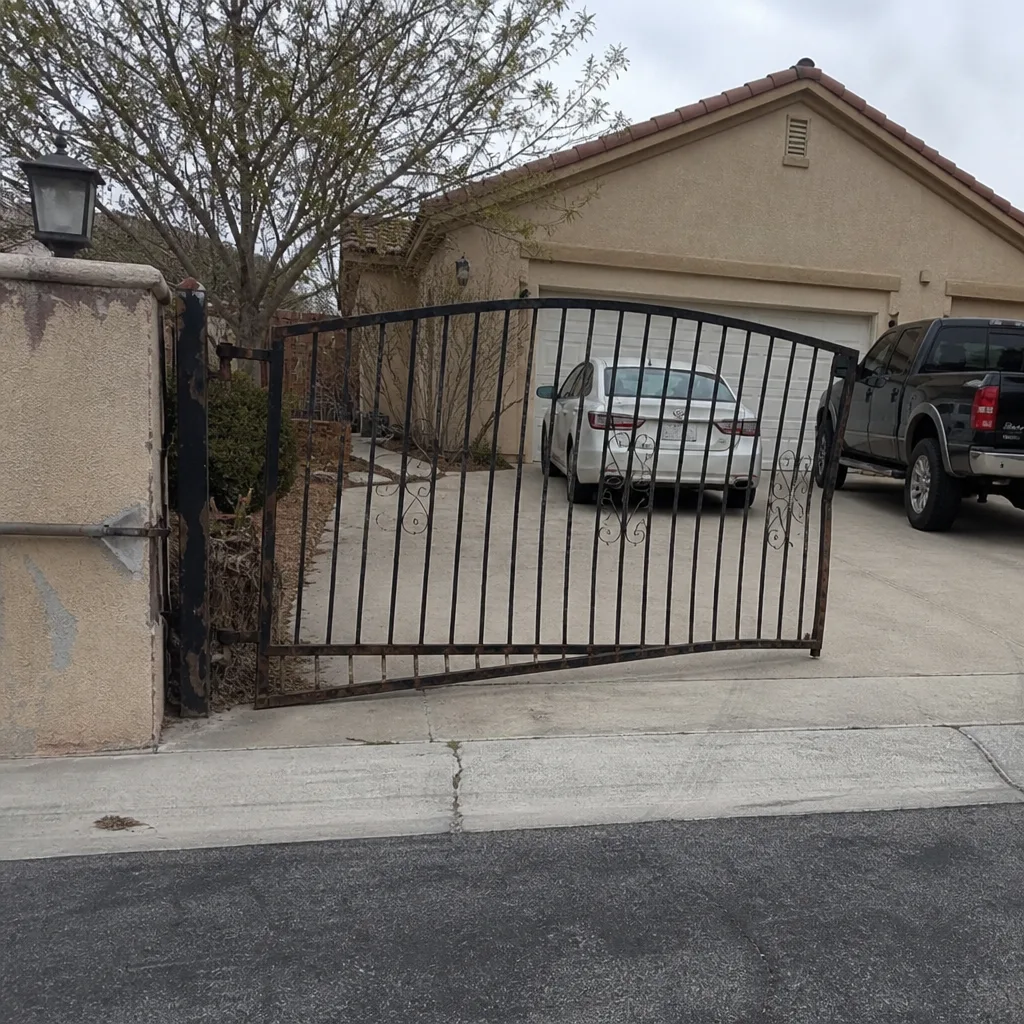 Before
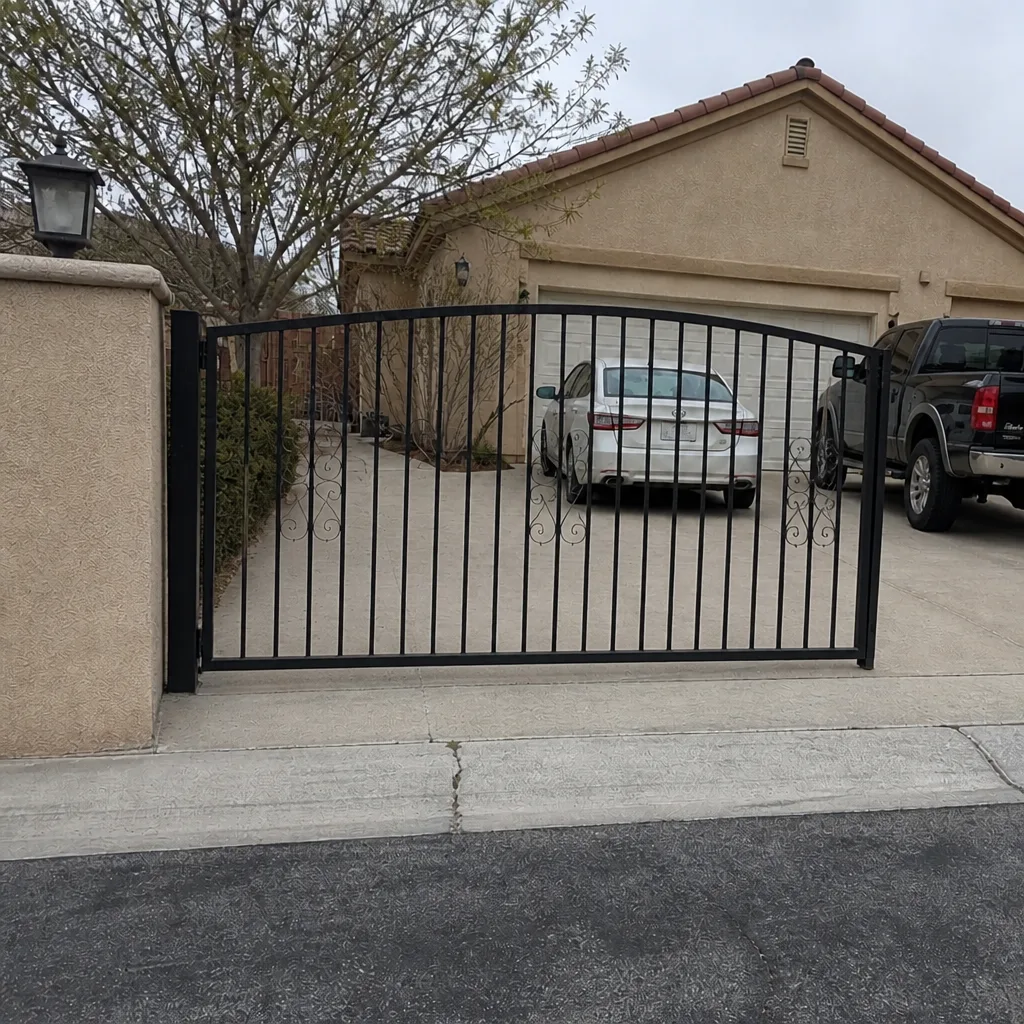 After
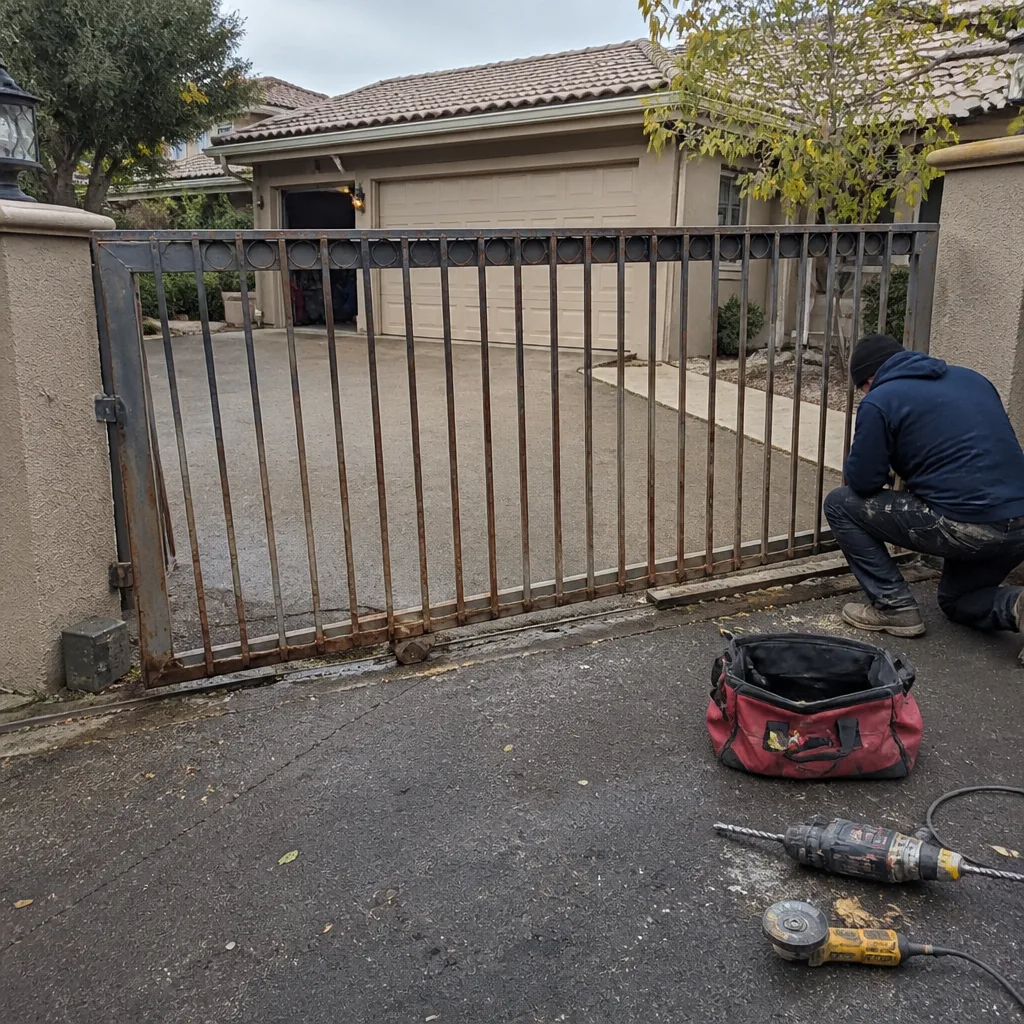 Before
 After
 Before
 After
When to Call a Professional
Some tasks in life are DIY territory. Gate automation isn’t one of them. An operator runs on household voltage, mounts with tension, and depends on safety devices that exist to keep a swing arm from closing on a child or a pet. Getting it wrong isn’t a matter of a switch not flipping. It’s a matter of an arm that closes when it shouldn’t. If your operator is short-cycling, the gate has gone out of alignment, the safety edge has stopped responding, or the gate has damaged hardware from a car strike, those are all jobs for a trained installer. The same holds for anything involving the wiring between the operator and the house, or where the operator needs to be replaced across brands. Ironworks Gate Co. Summerlin offers free estimates in Summerlin – call (866) 623-9848. A live person answers, day or night.
Frequently Asked Questions
A same-brand swap on a balanced gate typically takes 3 to 5 hours. A cross-brand swap or an install that needs a fresh conduit run usually runs 6 to 10 hours and is scheduled as a full day. Summerlin factors like stucco columns and HOA coordination can add time beyond the install itself. Call (866) 623-9848 for an exact quote on your gate – estimates are free.
No. Installation is measured, ordered, and scheduled, not dispatched the same day. A same-day install would mean no site assessment before the quote, and the site assessment is what makes the timeline honest. Repairs are a different story. If your operator has failed and the gate is stuck open or closed, that’s a service call, and it moves on a much tighter timeline. Call (866) 623-9848 and we’ll tell you what’s realistic for your situation.
A full installation includes site assessment, mounting, wiring and grounding, limit and force calibration under actual gate load, safety device installation and testing, programming of every access device, and a walkthrough of the manual release. If the quote leaves out calibration or device programming, that’s a red flag. Every job is backed by a written 90-Day Done Right Promise, and the price is settled before any work starts. Call (866) 623-9848 for a free second opinion on a written estimate.
Yes. Low-voltage control wiring, grounding, photo-eyes, and safety edges are all part of the scope on a full installation. If we’re running new conduit through a finished stucco column, the patching is coordinated as part of the job and covered in the quote. This is one of the reasons a proper install takes longer than a shortcut – there’s more to it than mounting an arm. Call (866) 623-9848 for a written price before any work begins.
Because every mounting point, bracket, and control-wiring pinout changes with the brand. A Viking replacing a Linear isn’t a physical plug-in, no matter what the box suggests. Our technicians are trained and equipped on nine major brands – including Viking, Ghost Controls, DoorKing, and Elite – so the correct fix is made on the first visit. Call (866) 623-9848 for an exact timeline on your specific brand and gate.
The price is quoted and agreed before any work starts. If we discover something during the site assessment that changes the scope – an out-of-balance gate, undersized conduit, or prior wiring that doesn’t meet code – we stop and get your approval before continuing. No surprises on the bill. Call (866) 623-9848 for a free estimate.
The Bottom Line
Gate opener installation time is a real number you can plan around, not a marketing claim. A straight swap takes 3 to 5 hours. A cross-brand swap on an older gate takes 6 to 10. Anything shorter than that usually means a phase was skipped – load testing, calibration, safety device testing, or full remote programming. The question to ask before booking is direct: does your quote include load testing and all access device programming? If the answer is anything other than yes, keep calling. In Summerlin, stucco columns, HOA reviews, and desert ground conditions all add time – but they’re price-known quantities, not surprises. Start with a real site assessment. Everything else follows from there.
If you’re ready to schedule, call (866) 623-9848 for a free estimate. Live phone support is available day or night, a real person answers, and the price is settled before a single bolt is turned.
Written by the team at Ironworks Gate Co. Summerlin.