
Last updated November 17, 2026
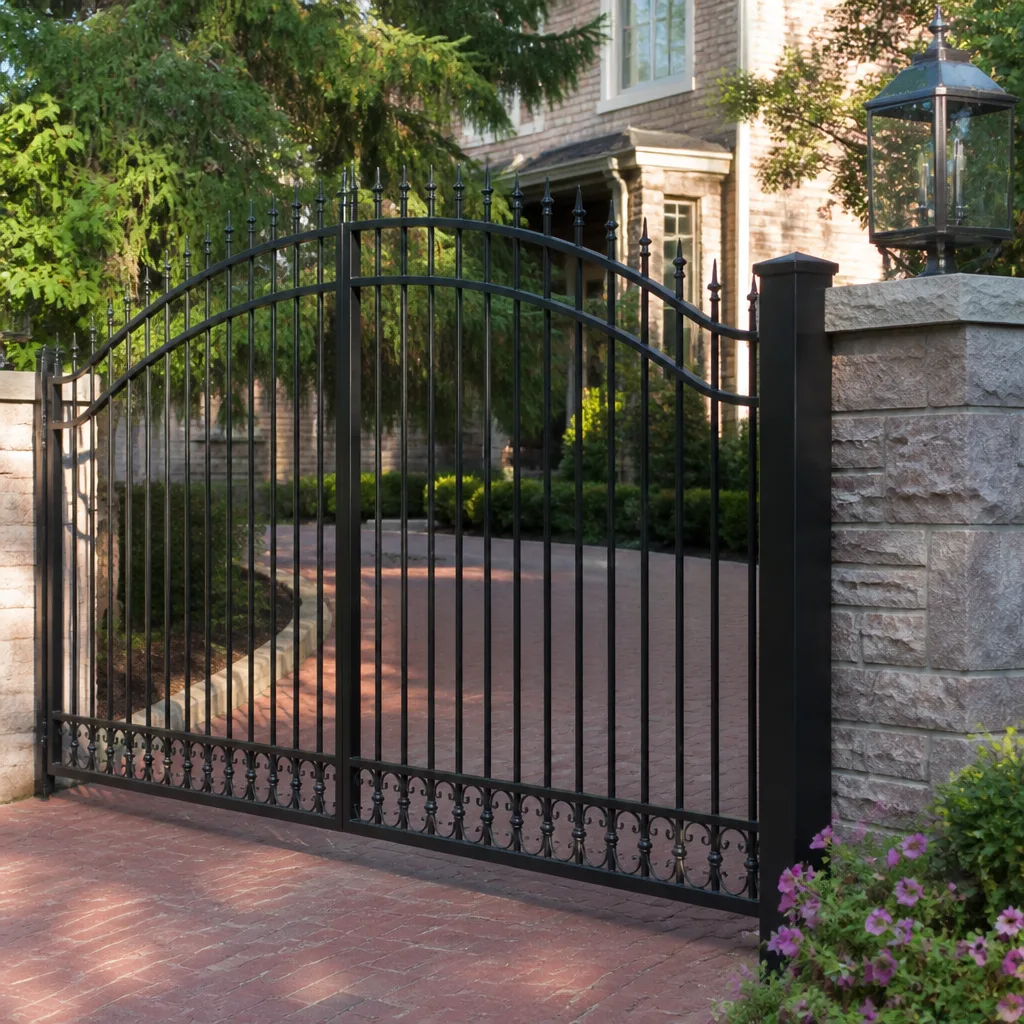 Wrought iron
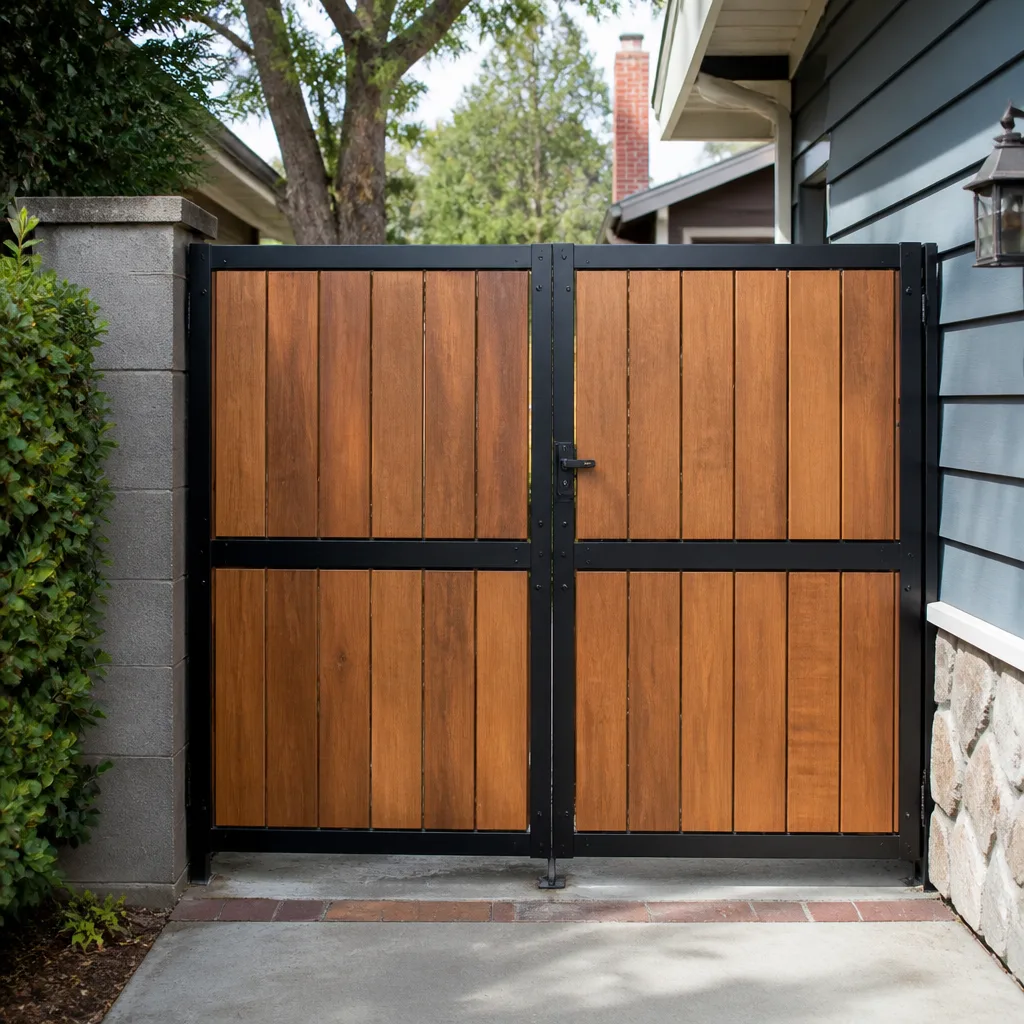 Wood & steel frame
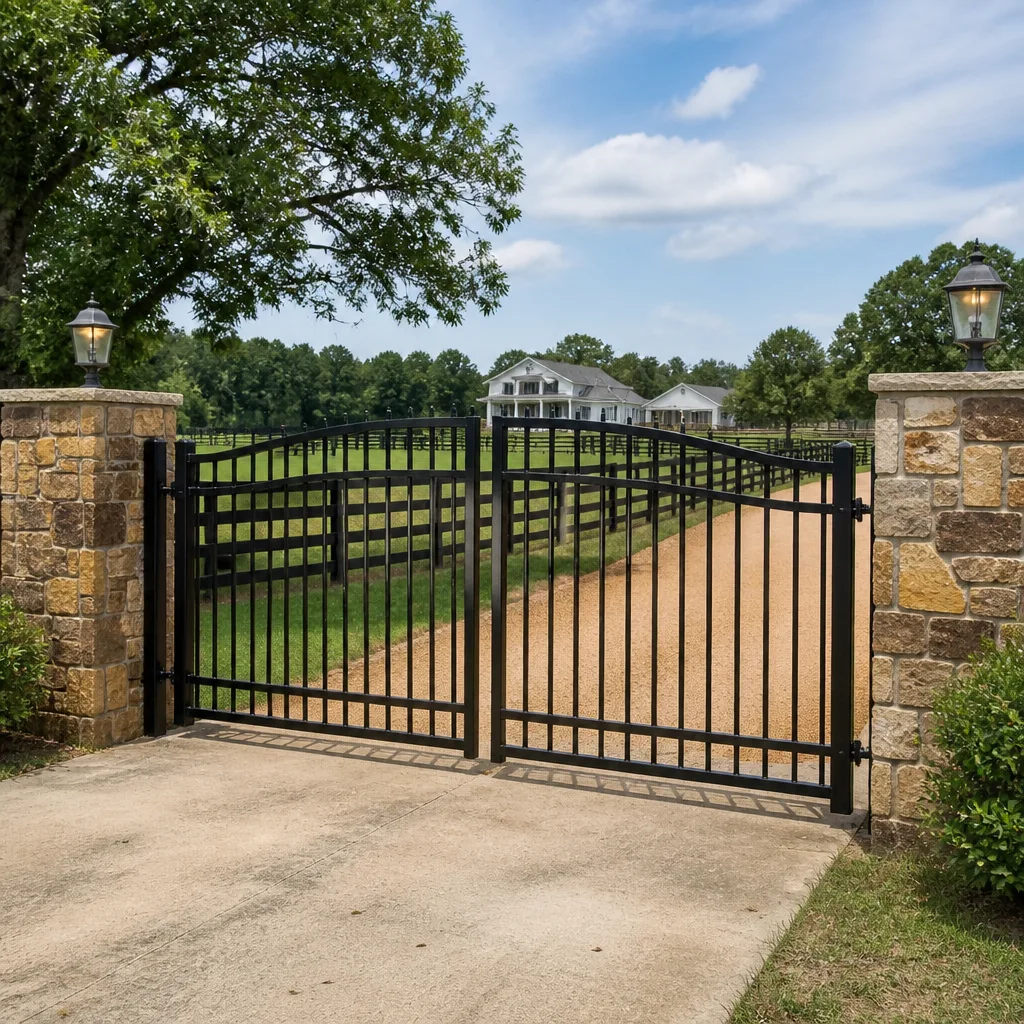 Farm & ranch
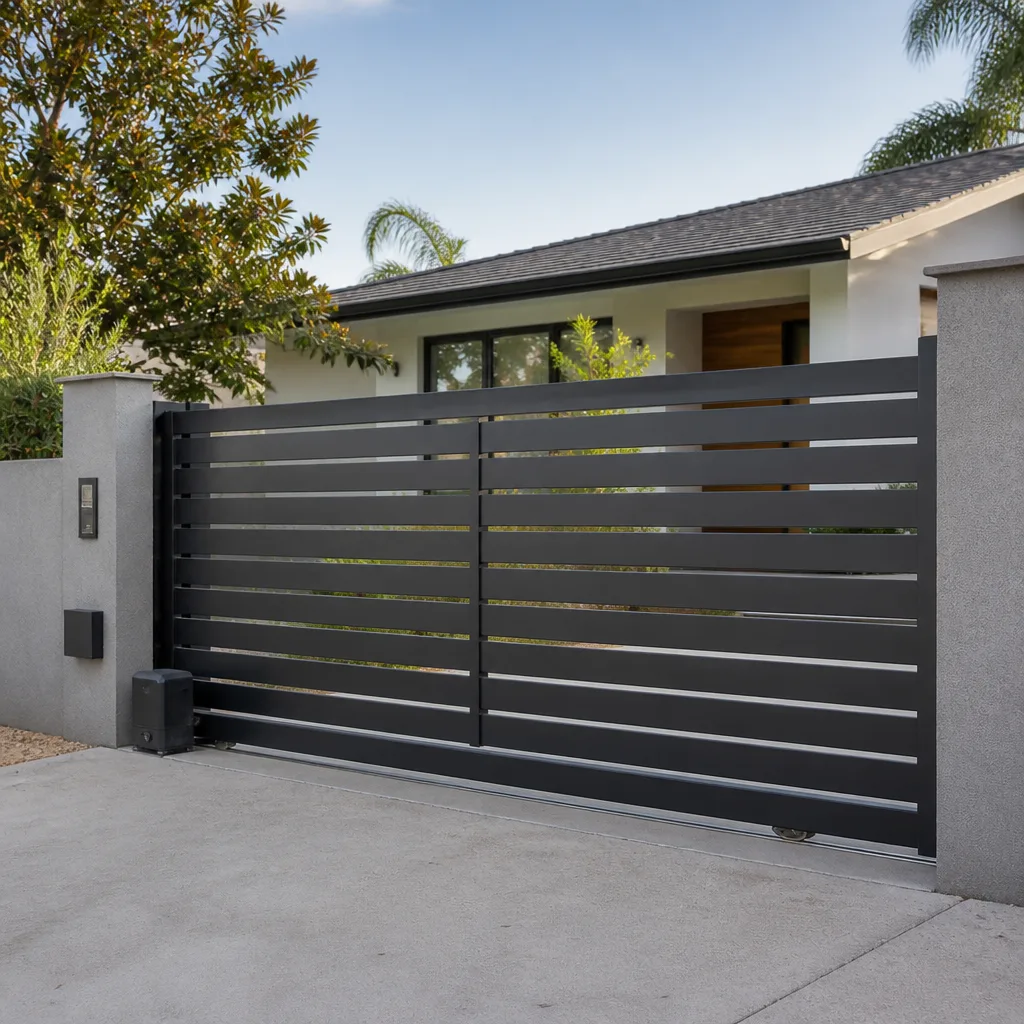 Sliding driveway gates
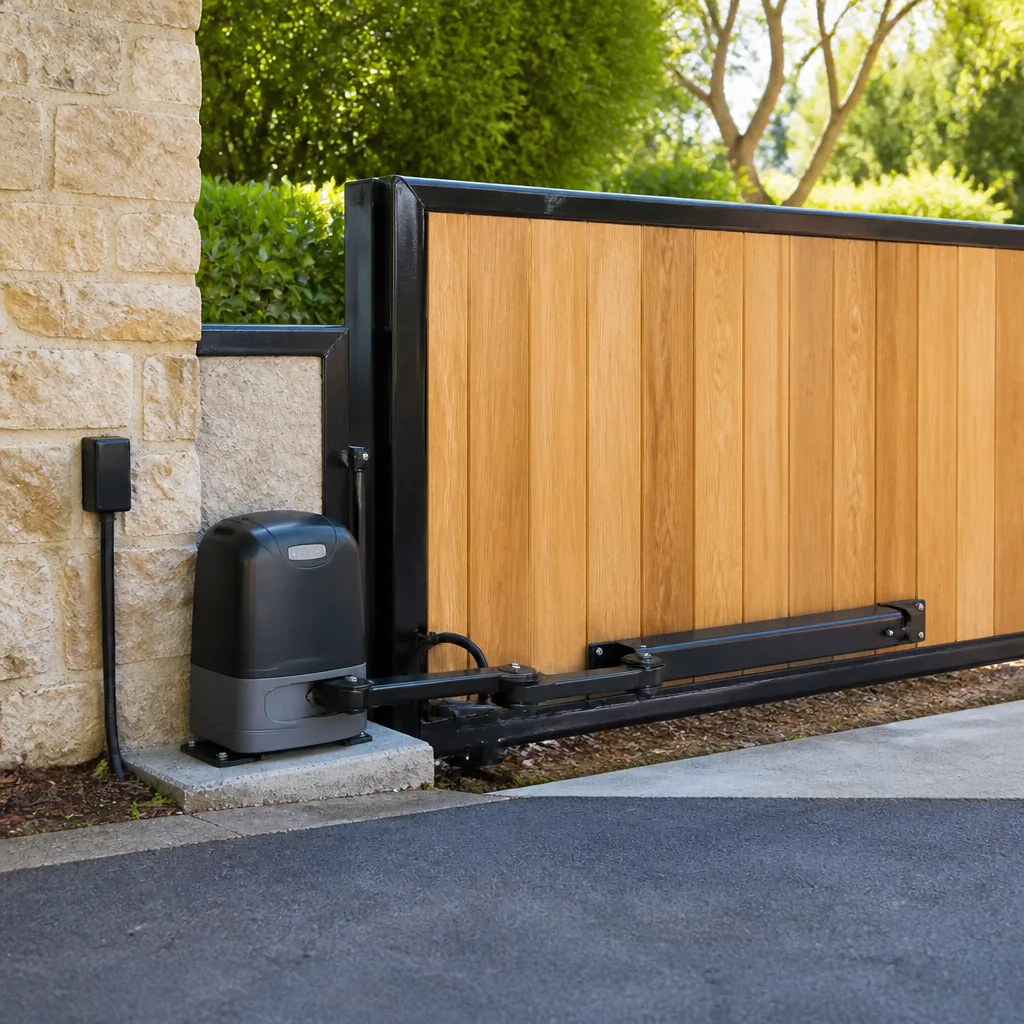 LiftMaster operators
Free on-site gate assessment - hinges, posts, and your LiftMaster or Nice gate operator checked before anything is quoted
The assessment is free and the quote is the invoice.
Get your free estimateDIY vs Professional Gate Installation: What’s Safe to Do Yourself
The most expensive gate installations we see aren’t the ones customers hired us for. They’re the ones a handyman started and a homeowner finished, where every step built on the one before it going slightly wrong. By the time we’re called, the posts are set in concrete that’s too shallow, the operator is wired to a circuit that voids its warranty, and the gate itself has been swinging out of plumb for a year. Fixing it means cutting out work, not adjusting it. This guide lays out exactly what’s safe to do yourself and where gate work turns into a different kind of project altogether, with notes for Summerlin homeowners who want to get it right once.
Quick Answer
You can safely handle finishing work on a gate: painting, decorative hardware, mounting an intercom device, and programming remotes after a professional install. You should not set gate posts, run conduit, wire an operator, or handle HOA and permit approvals yourself. Gate post installs carry loads and footing requirements that are nothing like fence posts, automation wiring looks simple but voids most brand warranties when installed by an uncertified hand, and unpermitted work in Clark County and Summerlin can lead to removal orders. The high-stakes 80% of gate installation belongs to a trained professional.
Styles & brands we work with
- Wrought iron
- Wood & steel frame
- Farm & ranch
- Sliding driveway gates
- LiftMaster operators
Table of Contents
- What’s Actually Safe to Do Yourself
- Why Gate Posts Are Not Fence Posts
- The Automation Wiring Reality
- HOA Rules and Clark County Permits
- How to Use a Professional Installer Strategically
- Common Mistakes to Avoid
- When to Call a Professional
- Frequently Asked Questions
What’s Actually Safe to Do Yourself
There is a real, useful scope for DIY work on a gate, and we’re glad to say so. It just doesn’t include anything that bears a load or touches a live circuit. Here’s the honest list:
- Painting and finish work. Sanding, priming, and painting steel or aluminum is squarely in reach. On a Summerlin estate gate, the sun and dust wear finishes faster than most homeowners expect, so a good repaint every few years is real maintenance. Use a rust-inhibiting primer and a topcoat rated for exterior metal, and avoid the wet months, which in this part of the valley are short.
- Decorative hardware. Handle sets, ornamental scrollwork, house-number plates, and cover plates for keypads. These attach with small fasteners and don’t affect gate balance.
- Mounting an intercom device. Once a professional has left the low-voltage wiring and power in place, mounting the intercom unit and its faceplate is reasonable.
- Programming remotes and keypad codes. After a certified install on any of the major brands, adding a remote or changing a keypad code is a homeowner task. We walk customers through it on every install.
- Clearing the swing path. Trimming vegetation, removing gravel or debris from under the gate, and keeping the track area clean. Simple housekeeping, and it prevents a lot of service calls.
Everything on that list shares a trait: if you get it wrong, you redo it. Nothing structural fails, nobody gets hurt, no inspector shows up. Keep your DIY effort inside that box and you’ll save money without taking on risk you can’t see.
Why Gate Posts Are Not Fence Posts
This is where most DIY gate projects go wrong, and it’s the reason we treat post installation as a professional-only job. A fence post holds up a light panel that moves with the wind. A gate post holds up a swinging or sliding mass of steel or wood, day after day, opening and closing hundreds of times a year. Those are different jobs.
The load math alone should give a homeowner pause. A twelve-foot steel swing gate can weigh several hundred pounds, and every opening puts a torque on the hinge post that a fence post never sees. That torque wants to tilt the post, and once a gate post leans even a fraction, the gate sags, the operator fights the sag, and the whole assembly starts to wear out early. Footing depth, footing width, and the concrete mix all matter here, and they depend on gate weight, gate width, swing direction, and the soil underneath, which in Summerlin ranges from caliche-heavy ground to filled lots that were graded during development.
Plumb tolerance is the other hard stop. A fence post can be a little off and nobody notices. A gate post that’s off by a small fraction of a degree shows up as a gate that won’t latch, a gate that drags on the ground, and an operator that trips its safety reverse. By the time a homeowner calls us, the post is usually set in cured concrete and the only fix is to cut it out and start over. That’s why the swing-side posts we set are checked with a level at several heights and cross-checked against the gate after it’s hung, then adjusted before the concrete cures.
If you’re weighing a gate install in Summerlin and want the high-stakes portion handled from the ground up, see our Gate Installation in Summerlin page. It walks through the full sequence from layout to final hang.
The Automation Wiring Reality
Low-voltage wiring looks approachable. It’s small wire, a control box, a couple of terminals. We understand why a capable homeowner looks at it and thinks it’s doable, and in the abstract, some of it is. What homeowners don’t see is the warranty language.
In almost every major automation brand’s terms, an operator installed by a non-certified technician voids the manufacturer’s warranty. So the homeowner who wires their own FAAC or LiftMaster operator is not just taking a risk with the install; they’re giving up the manufacturer’s protection on a unit that can cost more than a thousand dollars outright. That comes up in Summerlin every year when a homeowner calls us after an operator failed a few months in and the manufacturer won’t honor it. There’s no polite way to deliver that news.
The other piece is code. Gate operators need a proper power source, and a swing or slide gate driven by a motor requires safety devices: photoelectric sensors that stop the gate if anything crosses its path, and for slide gates, edge sensors. The safety devices are what stand between a moving gate and a child, a pet, or a car. Getting them wired, aligned, and calibrated to the operator’s own reverse settings is not a homeowner task. An operator that runs but doesn’t stop correctly is worse than one that doesn’t run at all.
Our Gate Motor & Opener in Summerlin page covers the safety devices and how we test them, and why we insist on certified service across the nine brands we carry, including FAAC, LiftMaster, BFT, and Linear. The correct fix on the first visit is what you’re paying for.
HOA Rules and Clark County Permits
Summerlin is not the kind of place where you put up a gate and expect nobody to notice. If you’re in an HOA, and most Summerlin neighborhoods are, there’s an architectural review process for anything that changes the look of the front of your home. That covers gate height, materials, finish color, and probably the pillar style. Get an approval in writing before you build, because unapproved work is a removal order waiting to happen, and a removal order means you pay a second time to have it torn out and rebuilt.
On top of HOA rules, Clark County permit requirements apply to most gates above a certain height and to anything with a power operator. The permit isn’t the hard part; the inspection is where amateur installs fall short. An inspector will want to see correct footing depth, safety devices wired per code, an operator with the right clearances, and a gate that operates and stops correctly. If the work is unpermitted and something happens, the homeowner is exposed in a way that no waiver can fix.
We’ve watched Summerlin homeowners try to sort permits themselves and spend weeks going back and forth. On our installs, we pull the permits, coordinate the inspection, and handle the paperwork. If a homeowner has a question about what their HOA needs to see, we can point them to it. What we won’t do, and what no honest installer should, is look at a permit-less install and call it fine.
How to Use a Professional Installer Strategically
You don’t have to choose between all-DIY and all-full-service. The smart move is to hire a professional for the high-stakes work and do the low-risk finish work yourself. That cuts the billable hours without touching anything that fails inspection or hurts someone if it’s wrong.
Here’s a practical prep list to hand to your installer before the job:
- Clear the area yourself. Move vehicles, trim plants along the gate’s swing path, and clear the ground where the posts will go. Finish the outdoor cleanup before we arrive.
- Gather your HOA packet and any existing plans. Have the architectural approval, the plat, and any gate hardware specs ready. The more information your installer has upfront, the less billable time is spent tracking it down.
- Choose your finish and hardware before the job starts. Decide on paint color, handle style, and decorative plates ahead of time so the installer doesn’t wait on decisions.
- Plan the power source conversation early. If you have an idea where the operator’s power will come from, raise it before the quote. A power run is a real line item, and a surprise here turns into a schedule change.
- Save the finish work for after. Painting, decorative hardware, mounting an intercom, and programming remotes are yours to handle after the install, and they’re the parts most likely to need a second pass anyway.
Customers who arrive organized this way find the quote smaller and the job smoother, and they still know the posts, wiring, and safety devices were done right. If you’re in Summerlin and want the walkthrough, our Ironworks Gate Co. Summerlin home page has the service list, and Gate Repair in Summerlin covers what happens when an install goes sideways.
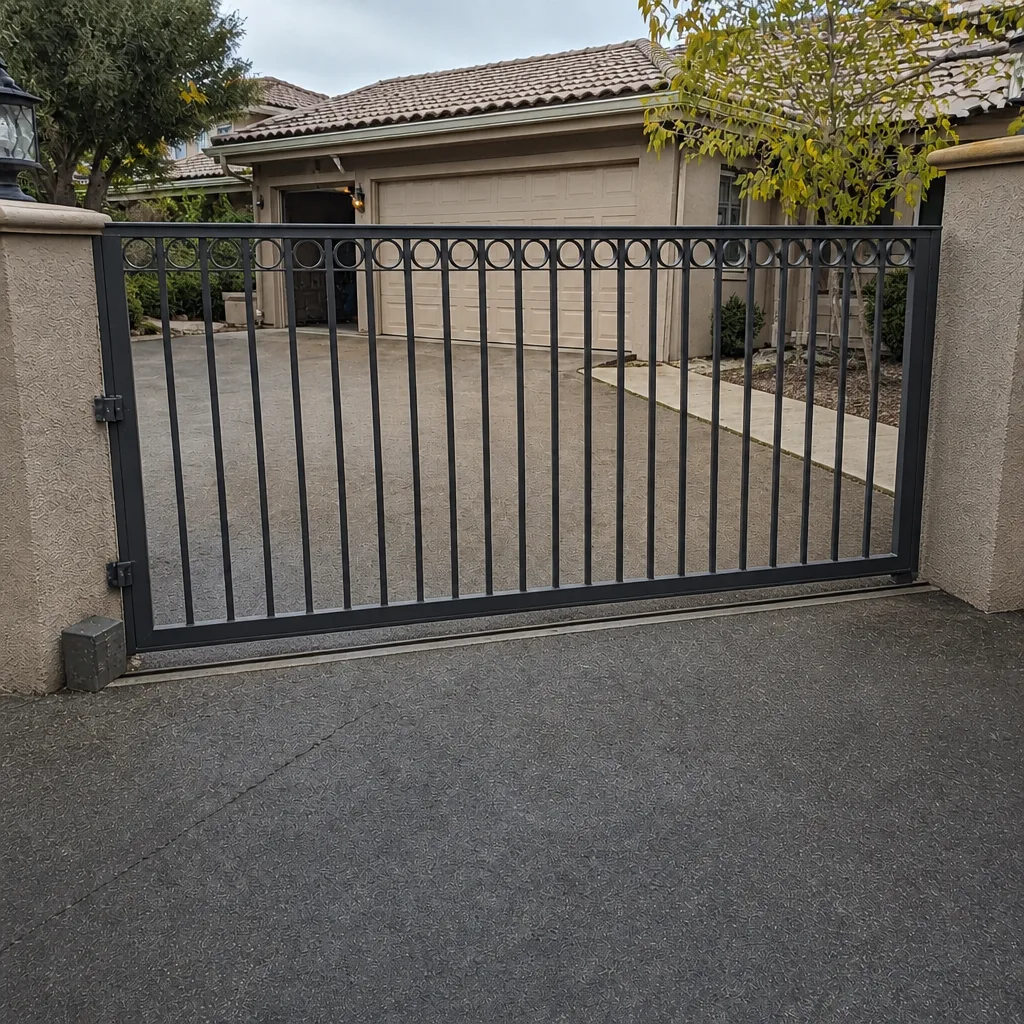
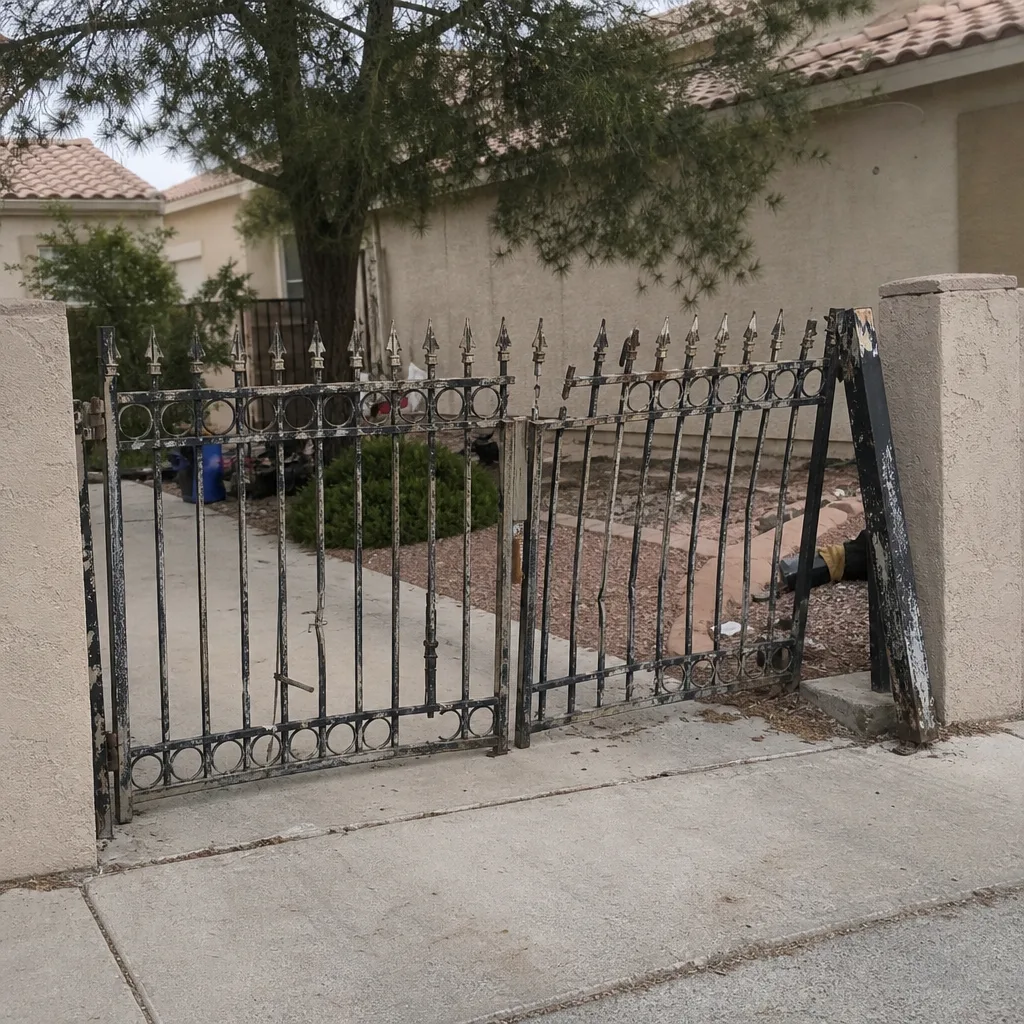
See the difference
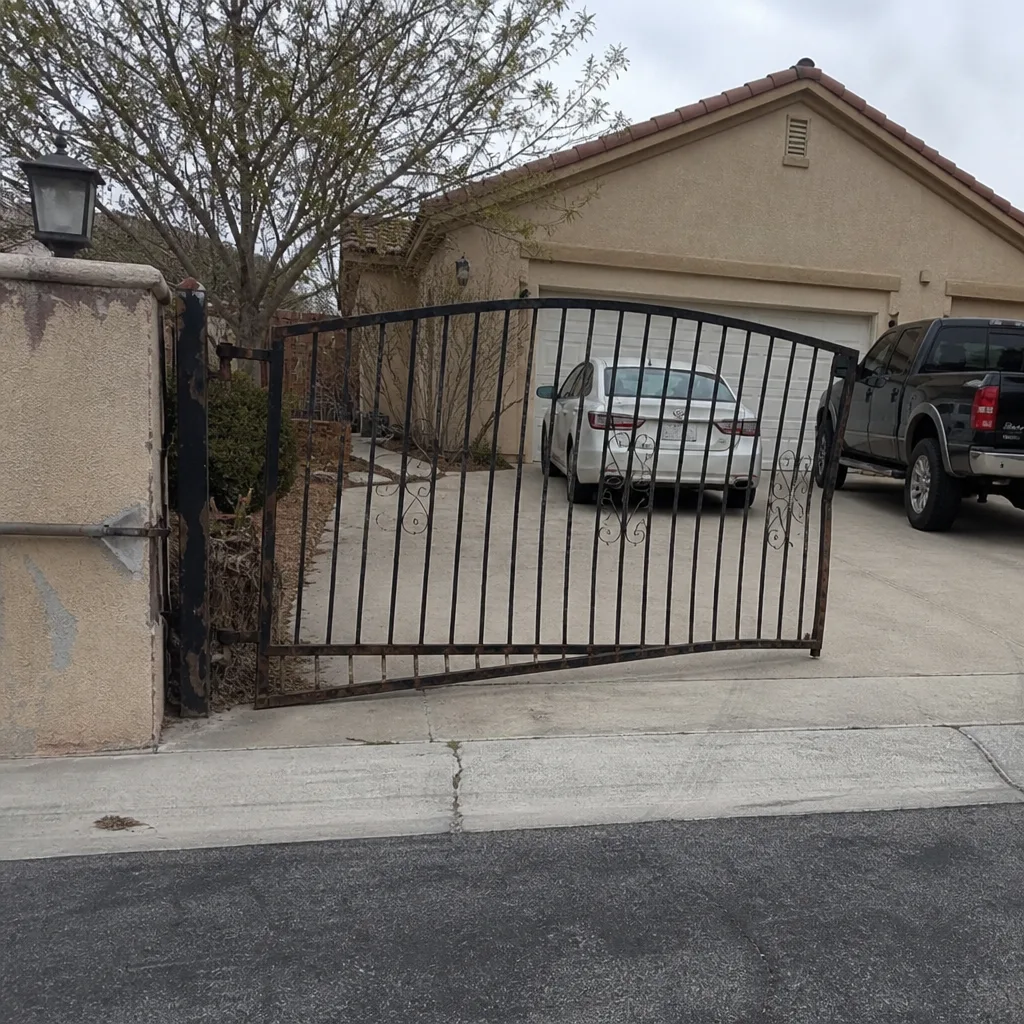 Before
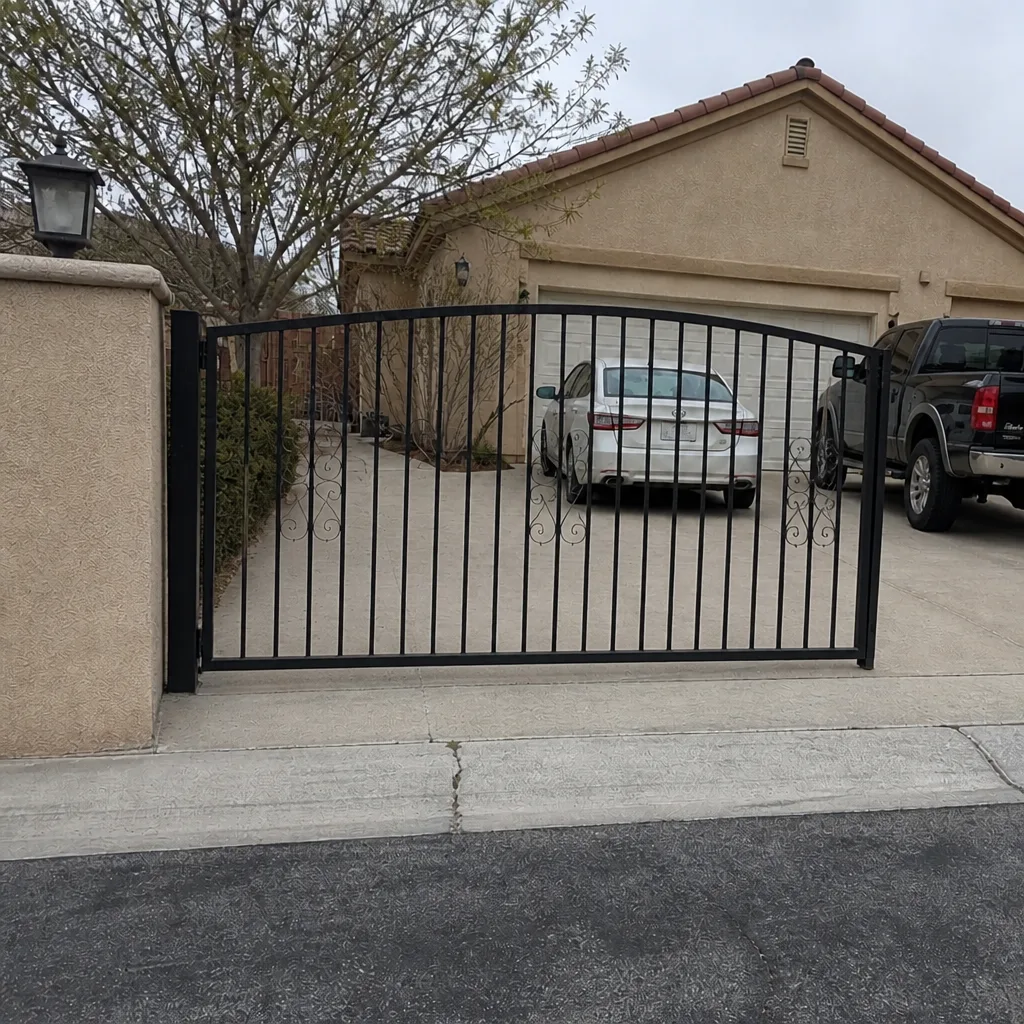 After
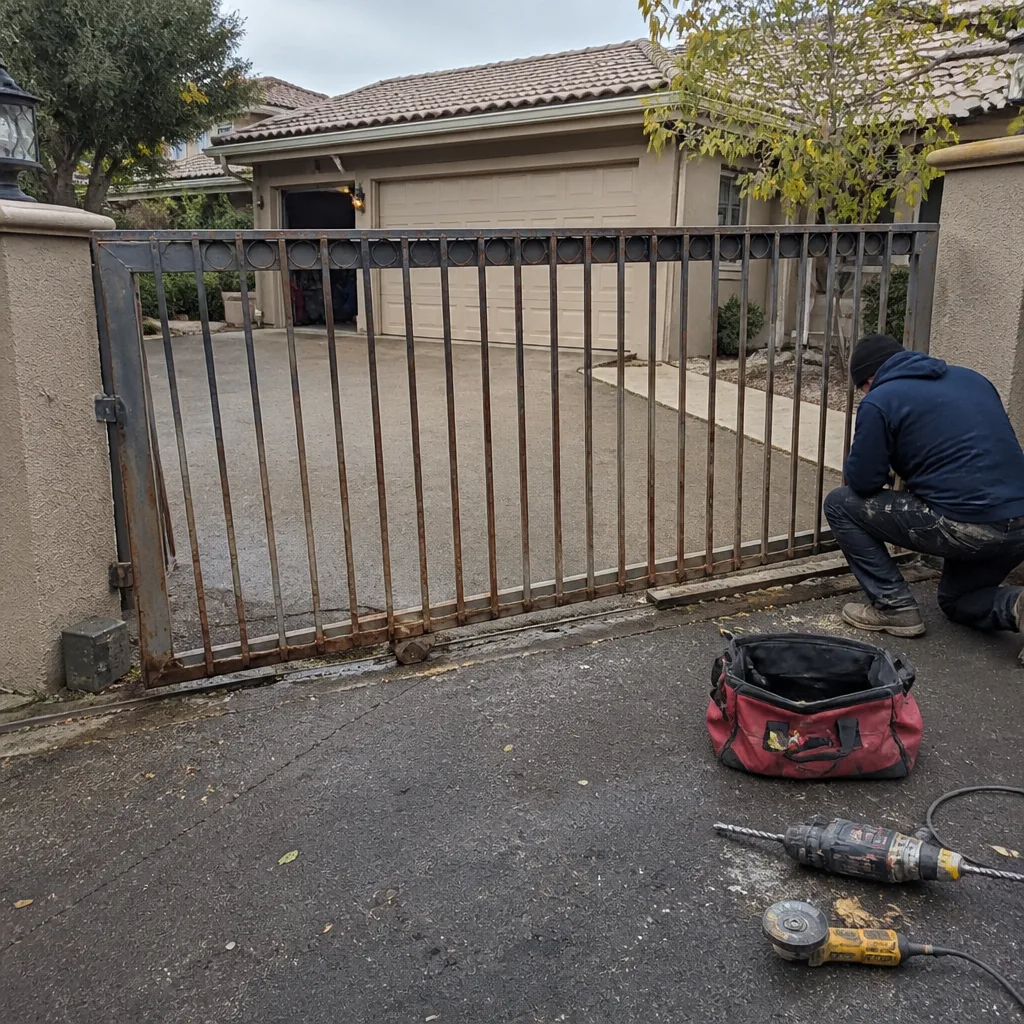 Before
 After
 Before
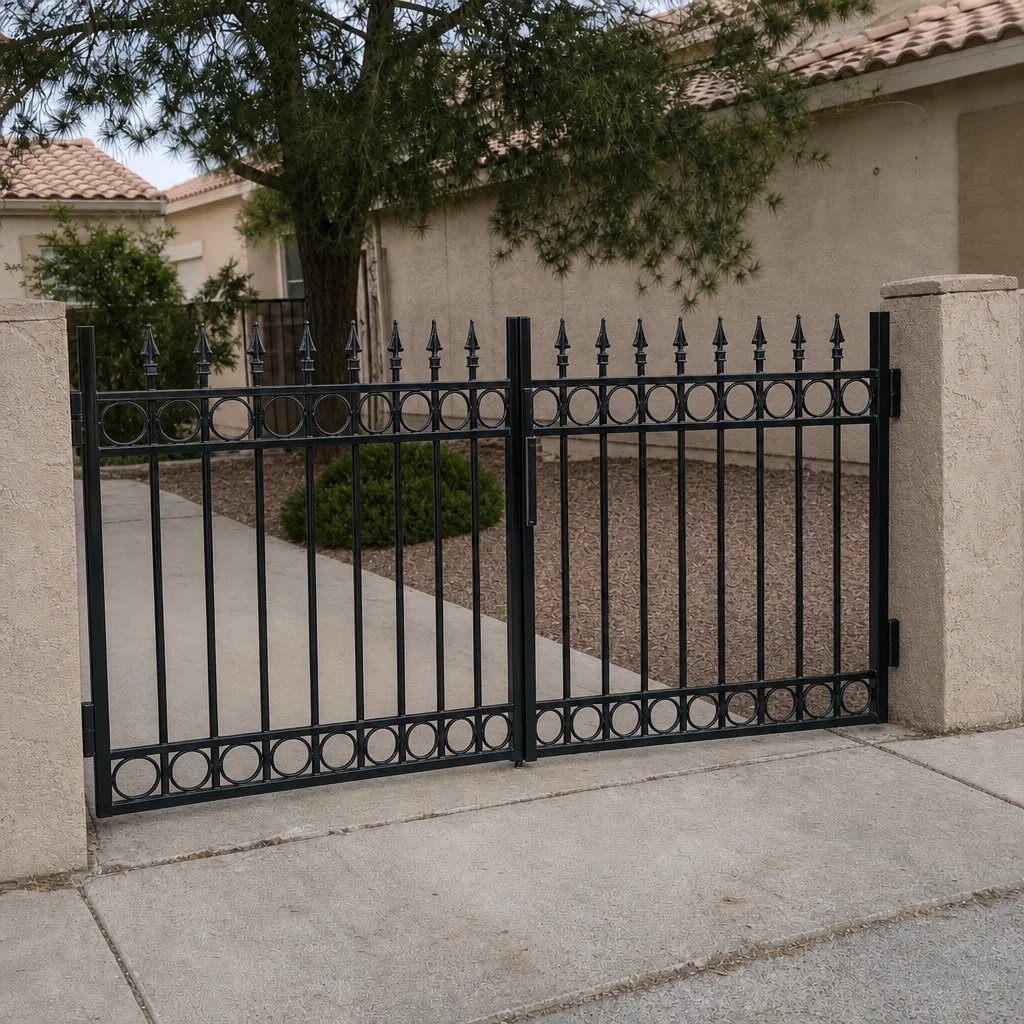 After
Common Mistakes to Avoid
- Setting a gate post in a fence-post footing. Shallow and narrow will hold a fence; it will not hold a gate. In Summerlin’s caliche and filled lots, footing depth also has to account for how the soil drains, and a footing that works on one lot can fail on the next.
- Using a handyman for the wiring. It looks like low-voltage work, but it voids the operator warranty on nearly every major brand. A cheaper check from a handyman becomes a full replacement when the manufacturer declines.
- Skipping the HOA architectural approval. A gate that’s the wrong material or finish for Summerlin’s neighborhood guidelines can trigger a removal order. That’s not hypothetical; it’s a real outcome we’ve seen.
- Installing without a permit. Clark County permits and inspections exist for a reason, and the inspection catches exactly the errors that hurt people: missing safety devices, wrong clearances, an operator that won’t reverse on contact.
- Buying the cheapest operator and expecting it to last. A budget operator wired to a poorly hung gate wears out in a couple of years. Most of the “early failure” calls we get trace back to a bad install, not a bad unit.
- Programming remotes as the final step without testing the safety devices. Adding a remote is easy to do wrong if the operator’s reverse settings were never calibrated. The remote works, the gate moves, and the safety sensors don’t stop it.
- Treating an out-of-plumb gate as a minor annoyance. A gate that’s slightly off-plumb at six months is a post that’s settling, not a gate that needs oiling. Left alone, it wears the operator and hinges out in a fraction of the time.
When to Call a Professional
Call a professional when the work involves anything structural, anything electrical, or anything that an inspector or HOA will review. That includes: setting gate posts, mounting a new gate frame, running power to an operator, wiring safety devices, pulling permits, handling HOA approval, and diagnosing a gate that’s out of plumb, dragging, or failing to reverse. Call us sooner if the gate is over a driveway or a walkway where a failure could hurt someone.
Ironworks Gate Co. Summerlin offers free estimates in Summerlin, and every completed install comes with our written 90-Day Done Right Promise. A live person answers the phone 24 hours a day, 7 days a week, so call (866) 623-9848 and we’ll walk through your project. Estimates are free, and the price we quote is the price you pay, agreed before a single bolt is turned.
Frequently Asked Questions
No, for anything beyond finish work. Setting gate posts, hanging a gate frame, wiring an operator, and wiring safety devices are professional tasks. The load math, footing depth, and plumb tolerance on a gate post are categorically different from a fence post, and the safety devices on a powered gate are what stop it from hurting someone. You can handle painting, decorative hardware, intercom mounting, and remote programming yourself after a professional install.
Yes, in almost every major automation brand’s terms. An operator installed by a non-certified technician voids the manufacturer’s warranty, even when the unit works. We’ve had Summerlin homeowners call us after an operator failed a few months in and the manufacturer declined the claim. The savings from a DIY wiring job disappear the first time the operator needs a repair under warranty.
For most gates above a certain height, and for anything with a power operator, yes. Clark County permit and inspection requirements apply, and the inspection covers footing depth, safety devices, clearances, and correct operator function. On top of the county permit, most Summerlin HOAs require architectural approval for gate height, material, and finish. Get both in writing before any work starts.
Cost depends on gate size, material, operator brand, and whether a power run is needed; there’s no honest one-number answer. The safest way to find your price is a free estimate that includes the permit, footing, wiring, and safety devices as line items. Call (866) 623-9848 to schedule one. The quote you agree to before work begins is the price on the final bill.
For a repair or an emergency, yes, same-day service is available across Summerlin. For a new gate install or an operator replacement, the work is measured, ordered, and scheduled, so it’s planned rather than dispatched the same day. Call (866) 623-9848 and we’ll give you the earliest available date and a written price before you decide.
A full install includes layout, post setting with proper footing, gate frame hanging, operator mounting, power run, safety device wiring, and testing of the reverse setting. We also handle the Clark County permit and coordinate the inspection, and we walk you through the HOA paperwork if needed. Most jobs are completed in a single visit, and the price is agreed before work starts.
The Bottom Line
The dividing line in a gate project is simple. Anything that bears a load, touches a live circuit, or gets reviewed by an inspector or an HOA belongs to a professional. Painting, decorative hardware, intercom mounting, and remote programming are yours to do, and doing them saves real money. Set your posts in a fence-post footing, wire an operator yourself, or skip the permit, and the cheapest part of the project becomes the most expensive mistake. Hire the structural work out, do the finish work yourself, and the gate you get is the one that closes right for years.
If you’re in Summerlin and want the high-stakes work handled correctly the first time, call Ironworks Gate Co. Summerlin at (866) 623-9848 for a free estimate. Every job is backed by our written 90-Day Done Right Promise, our technicians are background-checked and trained on nine major operator brands, and a live person answers the phone 24 hours a day, 7 days a week. Call today and let’s get your project moving.
Written by the team at Ironworks Gate Co. Summerlin.