
Last updated November 17, 2026
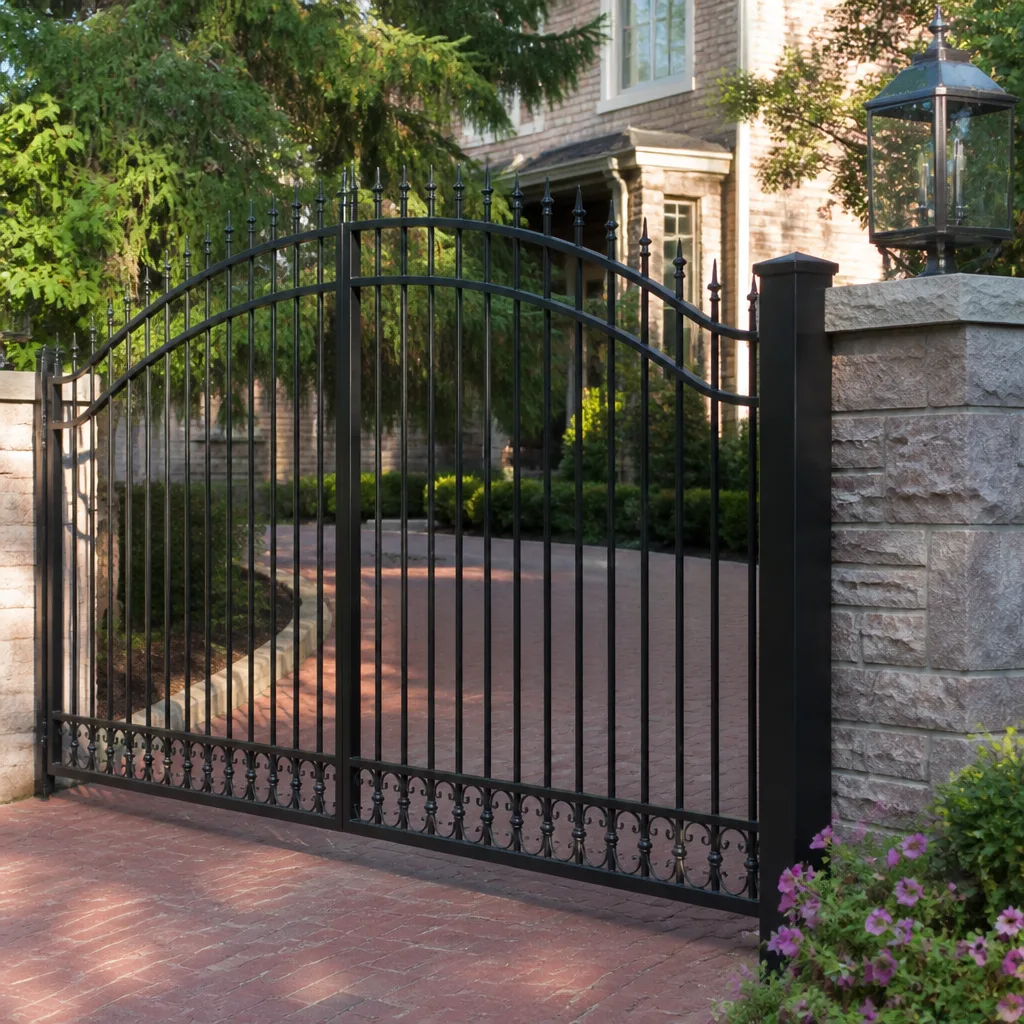 Wrought iron
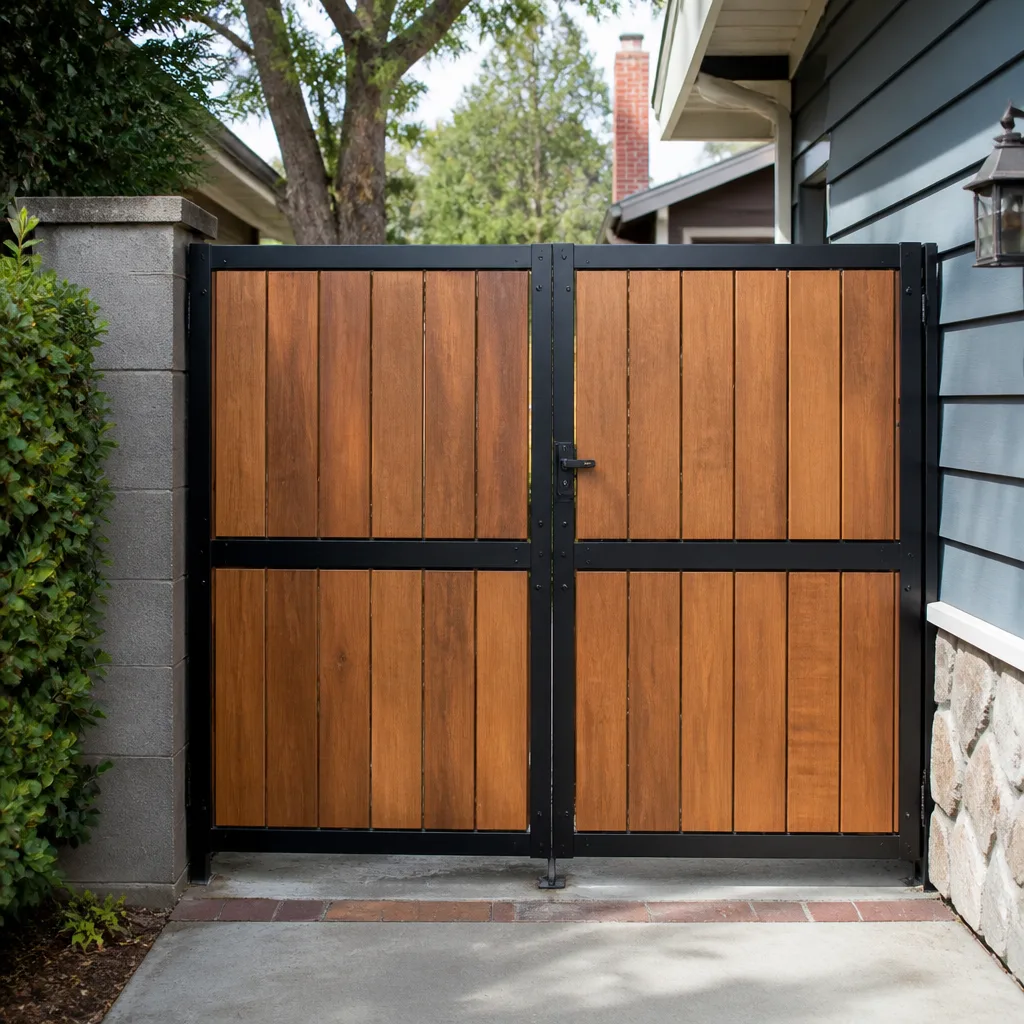 Wood & steel frame
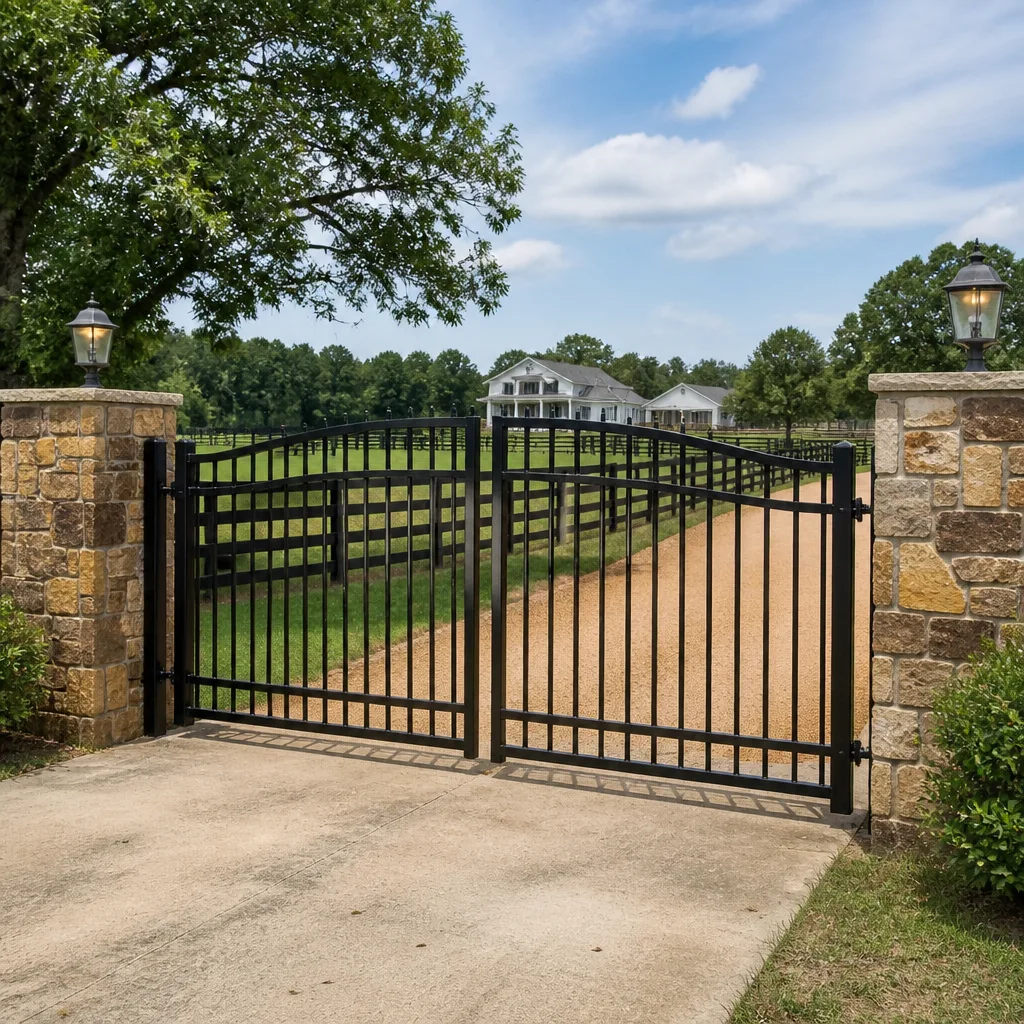 Farm & ranch
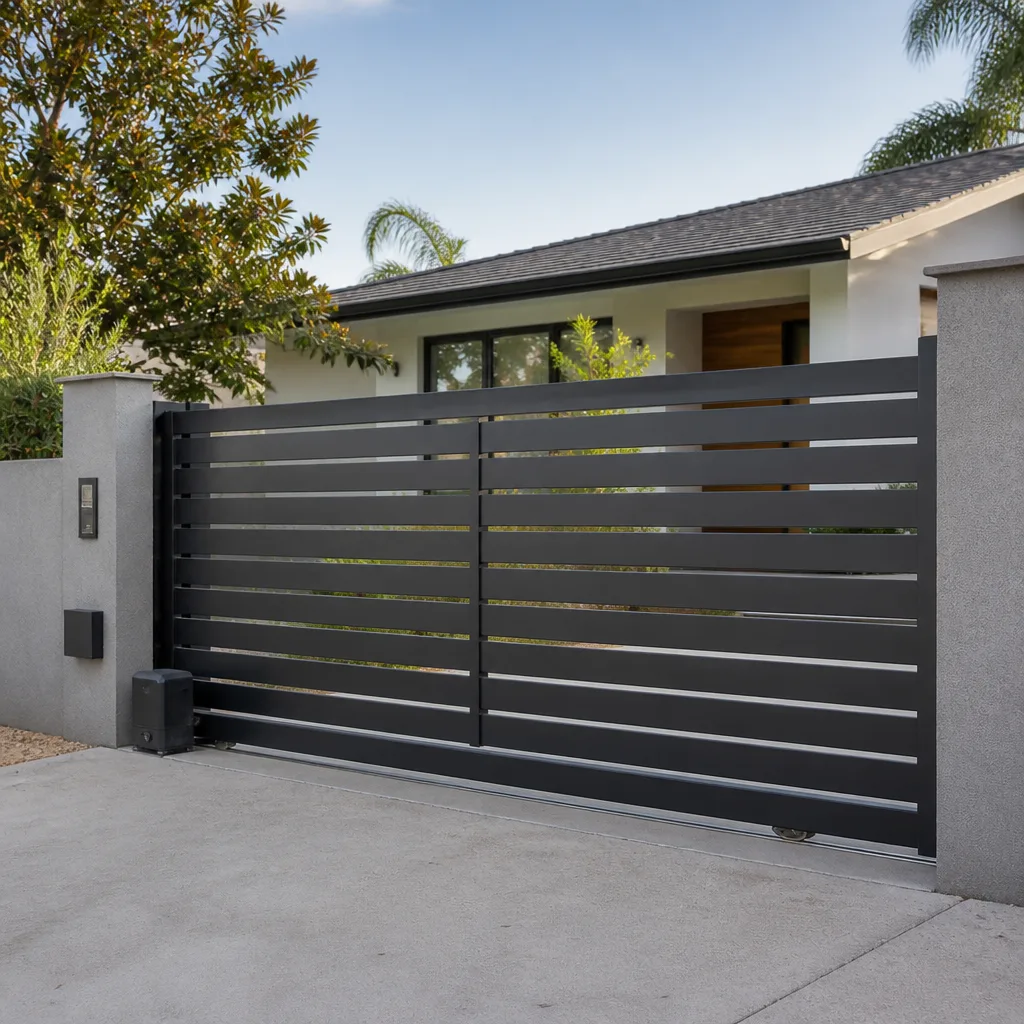 Sliding driveway gates
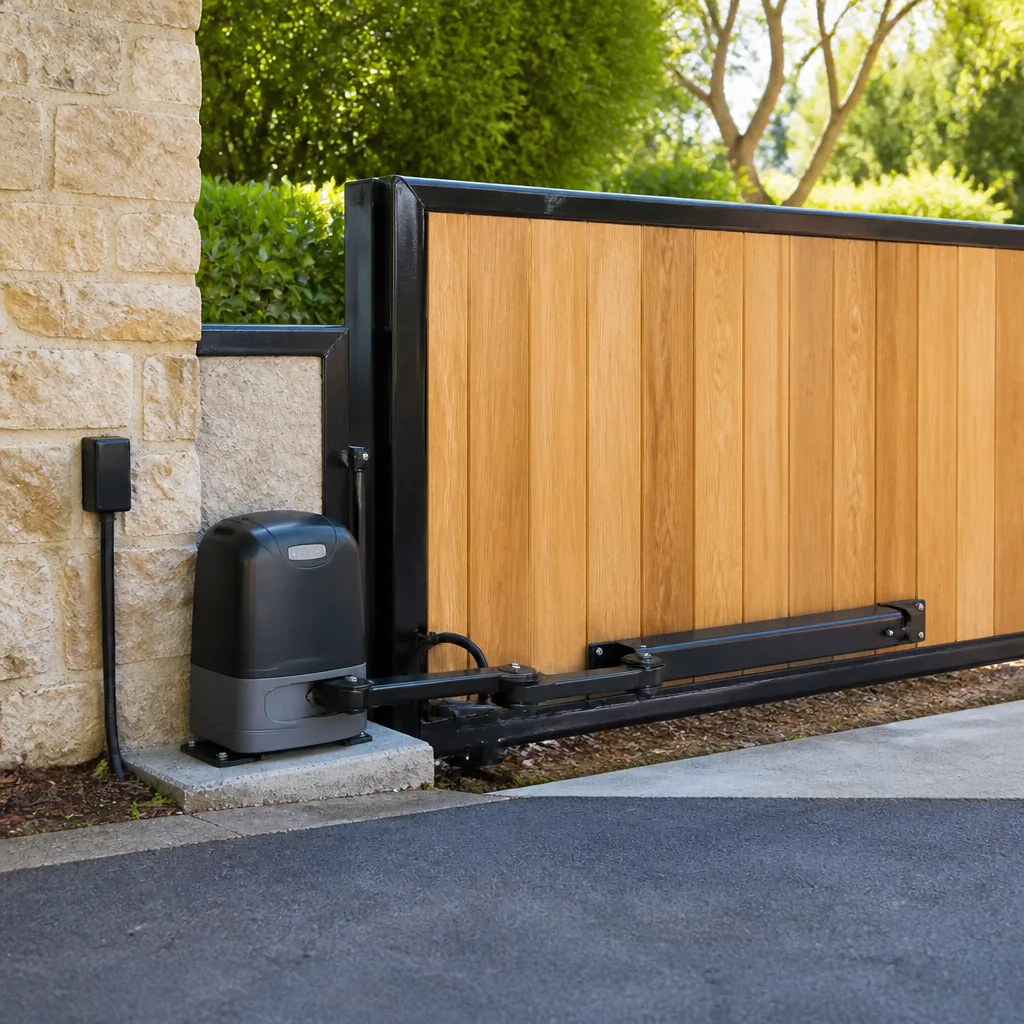 LiftMaster operators
Free on-site gate assessment - hinges, posts, and your LiftMaster or Nice gate operator checked before anything is quoted
The assessment is free and the quote is the invoice.
Get your free estimateGate Motor & Opener Warning Signs Every Homeowner Should Know
A gate that takes three seconds longer to open than it did last summer isn’t aging gracefully. It’s telling you that friction, battery drain, or a mechanical bind is forcing the motor to work harder than it should. And motors that strain don’t usually give you a second warning. In our experience servicing driveway and estate gates across Summerlin, the costly failures we see almost never start suddenly. They build quietly over weeks, disguised as small quirks. This guide catalogs the behavioral changes that precede most opener failures, so you can catch a small repair before it turns into a major one.
Quick Answer
The five clearest gate motor warning signs are a longer-than-normal cycle time, inconsistent remote range, new sounds during travel (grinding, clicking, or whining), partial-open reversals, and erratic response to commands. Most opener failures are preceded by at least one of these signals for days or weeks. Reading them early is the difference between a small adjustment and a full motor replacement.
Styles & brands we work with
- Wrought iron
- Wood & steel frame
- Farm & ranch
- Sliding driveway gates
- LiftMaster operators
Table of Contents
- The Five Behavioral Changes That Precede Most Failures
- Motor, Mechanical, or Board? Diagnosing the Same Symptom
- Summerlin’s Seasonal Warning Patterns
- Why Force-Related Signs Are a Safety Hazard
- The 90-Second Weekly Check
- What Brand Differences Mean for Diagnosis
- Common Mistakes to Avoid
- Frequently Asked Questions
The Five Behavioral Changes That Precede Most Failures
Openers don’t fail silently. They communicate through timing, sound, and repetition. These are the five signals we ask every Summerlin homeowner to watch for, ranked by how often they show up before a breakdown.
- Longer-than-normal cycle time. Time the full open and close once. If it has crept up by two or three seconds compared to a month ago, the motor is fighting something: a dry hinge, a sagging track, a weakening battery, or a worn gear.
- Inconsistent remote range. If you used to open the gate from the end of the driveway and now have to be ten feet closer, the receiver, antenna, or battery is fading. This is one of the earliest and cheapest signals to catch.
- New sounds during operation. A grind, a click, or a high whine are three different problems. Grinding is usually mechanical (rollers, track, gear). A click that repeats is often a relay or board. A whine points to the motor or capacitor.
- Partial-open reversals. The gate starts, stalls, and reverses on its own. This is the opener’s obstacle-detection doing its job, but the obstacle might be friction, a misaligned track, or a failing limit switch, not a person or car.
- Erratic response to commands. The gate responds sometimes and ignores the remote other times. Intermittent behavior is the hardest to catch but often the easiest to fix once the failing component is identified.
If you’re seeing more than one of these at once, the odds of a single root cause go up. That’s usually good news, because one fix resolves the whole set. Our Gate Motor & Opener in Summerlin page covers how we diagnose the full chain from remote to motor.
Motor, Mechanical, or Board? Diagnosing the Same Symptom
Here’s what trips up most homeowners: the same symptom can come from three completely different places. A gate that reverses partway could be a tired motor, a bound hinge, or a failing control board. Getting the diagnosis right the first time is what separates a $150 fix from a $900 replacement.
Motor warning signs
- A hot housing after a single cycle
- A whine or hum that’s new
- Slower travel on every cycle, not just occasionally
- A motor that trips a breaker or blows a fuse
Mechanical warning signs
- Grinding or scraping during travel
- The gate binds at a specific spot every time
- Visible sag on the hinge side
- Rollers that squeal or track that’s out of alignment
Electrical and board warning signs
- Intermittent or erratic response
- Repeated relay clicking with no movement
- The keypad or remote works one day and not the next
- Error codes on the control board display
The overlap is real. A worn hinge forces the motor to push harder, which overheats the motor and can eventually compromise the board. On Summerlin gates, especially older estate gates on LiftMaster and DoorKing operators, we often find the mechanical problem and the motor strain together. Fixing either one alone tends to bring the other back inside a few months. If your gate has been running under strain for a while, this is where a proper inspection saves real money compared to waiting for a hard failure.
Summerlin’s Seasonal Warning Patterns
Gates in Summerlin face a specific climate cycle that produces warning signs on a predictable schedule. Knowing when to look matters as much as what to look for.
Spring: dust infiltration
Our spring winds carry fine dust that finds its way into every moving part. The first warm weeks of the year are when we see the most sticky hinges, gritty rollers, and dry tracks. A gate that ran fine all winter suddenly starts grinding in March or April. That’s not a coincidence: it’s dust mixed with old lubricant that has dried into a paste.
Summer: thermal overload behavior
By July, motors are working in 105-degree heat with no shade. A motor that handled a full day of cycles in April will run hotter and slower in July. We watch for two things specifically: a housing that’s too hot to touch after a single cycle, and a motor that opens fine but struggles to close during the hottest part of the afternoon. If your gate has started to slow down or stall on the hottest days, that’s a thermal warning, not a seasonal quirk, and it gets worse every summer.
Fall: battery backup degradation
Battery backup systems take a beating through a Summerlin summer. The draw on a battery backup over months of heat and regular cycling catches up in October when a homeowner tests the gate during a power outage and finds it won’t open. We test battery backup specifically as the weather turns. A backup that hasn’t been load-tested by fall is one bad outage away from stranding you.
This cycle is why our Gate Repair in Summerlin service builds the seasonal test into every inspection. What looks like a pattern of random failures is usually the same gate telling you the same thing three times a year.
Why Force-Related Signs Are a Safety Hazard
We want to be direct about this one. A gate opener working too hard against resistance is not just a mechanical inconvenience. It’s an entrapment hazard.
Every gate opener has a built-in force setting, calibrated so that if the gate meets an obstacle, it reverses. That setting is designed for a gate that moves freely. When friction, a bent track, or a failing hinge forces the motor to push harder, two things happen at once. The motor strains, and the force calibration no longer matches reality. The gate might keep pushing through an obstruction it should have reversed on. UL 325 and the safety standards that govern gate operators exist precisely because of this risk, and they assume a gate in proper working order.
If your gate has started reversing partway through its travel without an obvious obstacle, take it seriously rather than clearing it and moving on. Either the safety system is engaging on friction (meaning the gate is binding) or it’s failing to engage when it should. Both are dangerous. If you’ve overridden any safeties to keep a gate moving, stop. No repair is worth a child or a pet on that driveway.
The safety beam sensors at the base of the gate exist for the same reason. If those indicators go dark or blink erratically, the gate may not stop for a person walking through. We treat an indicator fault as a same-week repair, not a someday item.
The 90-Second Weekly Check
This is a routine any homeowner can do in about ninety seconds once a week. It catches almost every warning sign before it becomes a failure. Our technicians walk clients through it, and it holds up across every brand we service, from Mighty Mule residential operators to DoorKing estate systems.
- Time the full cycle. Start a timer when the gate begins to open, stop it when it’s fully open. Note the number. Do the same for the close. Compare to last week. A creep of one or two seconds over several weeks is your earliest signal.
- Listen during travel. Stand near the gate and just listen. Any new grind, click, or whine is a data point. Note whether it happens at the same spot or throughout.
- Test the remote and the keypad. Use both, not just your usual remote. If one works and the other doesn’t, you know which component to focus on. If both are intermittent, the problem is likely in the receiver or antenna.
- Confirm the safety beam indicators. Look at the small lights on the sensors mounted at the base of the gate. Both should be lit steady. A dark or blinking indicator means the gate may not detect a person or vehicle.
- Do a visual sweep of the moving parts. Walk the track once, look at the hinges, and check for anything that looks different from last week. Loose bolts, rust blooms, and fresh wear marks are all worth a second look.
If you want a professional version of this check twice a year, our Gate Installation in Summerlin team also handles tune-ups on existing gates. Our $89 Seasonal Tune-Up covers the full list above plus a motor load test and lubrication that most homeowners can’t do themselves.
What Brand Differences Mean for Diagnosis
Not every opener reports a fault the same way. The brand on your driveway changes how we read the warning signs, and it’s one reason we train on nine different gate-automation lines. A few examples worth knowing:
- LiftMaster operators typically show a fault first through LED blink codes on the control board. If your motor won’t respond, the blink count tells us exactly what it’s complaining about.
- DoorKing systems, common on Summerlin estate entrances, are more likely to surface problems through the access control side than the motor itself. An erratic keypad on a DoorKing often points to a board issue that then affects the opener.
- Mighty Mule residential openers are the most likely to fail through battery exhaustion, especially after a Summerlin summer. Battery behavior on these is the single most predictive sign.
- Elite operators tend to hold their force setting well but show their age through mechanical slack in the gear. A quiet clicking at the same spot in the cycle usually means the gear is going.
Automation specialists that only service one or two brands tend to misdiagnose signs on the others because the fault-reporting language is different. That’s why we can usually identify the correct fix on the first visit, whatever brand is on your driveway.
Common Mistakes to Avoid
- Clearing a fault without investigating. Resetting the breaker to clear a fault and moving on hides the cause. If the fault returns, it’s been there the whole time, and the motor has been absorbing the strain.
- Lubricating everything. Not every moving part wants oil. On Summerlin gates, we regularly find tracks coated in the wrong lubricant that has attracted dust into a grinding paste. Correct lubrication depends on the part.
- Overriding the safety reverse. If the gate is reversing on an obstruction, don’t disable the reverse to keep it moving. That’s the one override that turns a service call into a safety incident.
- Ignoring slow cycle times. Three extra seconds doesn’t feel like much. It’s the same signal the motor would give you right before failure if it could talk, and it’s the cheapest thing to catch.
- Trusting the remote range as a battery test. A weak remote battery and a fading receiver look identical from the driveway. Test both separately before replacing things you don’t need to.
- Skipping the fall battery backup check. A backup battery in a Summerlin gate goes through a hard summer. If you’ve never load-tested it, you don’t know whether it will work during an outage until it’s the one day you need it.
- Waiting for the gate to stop working completely. By the time a motor stops cold, the underlying problem has usually damaged the motor or the board. Catching the signal early is where the real savings come from.
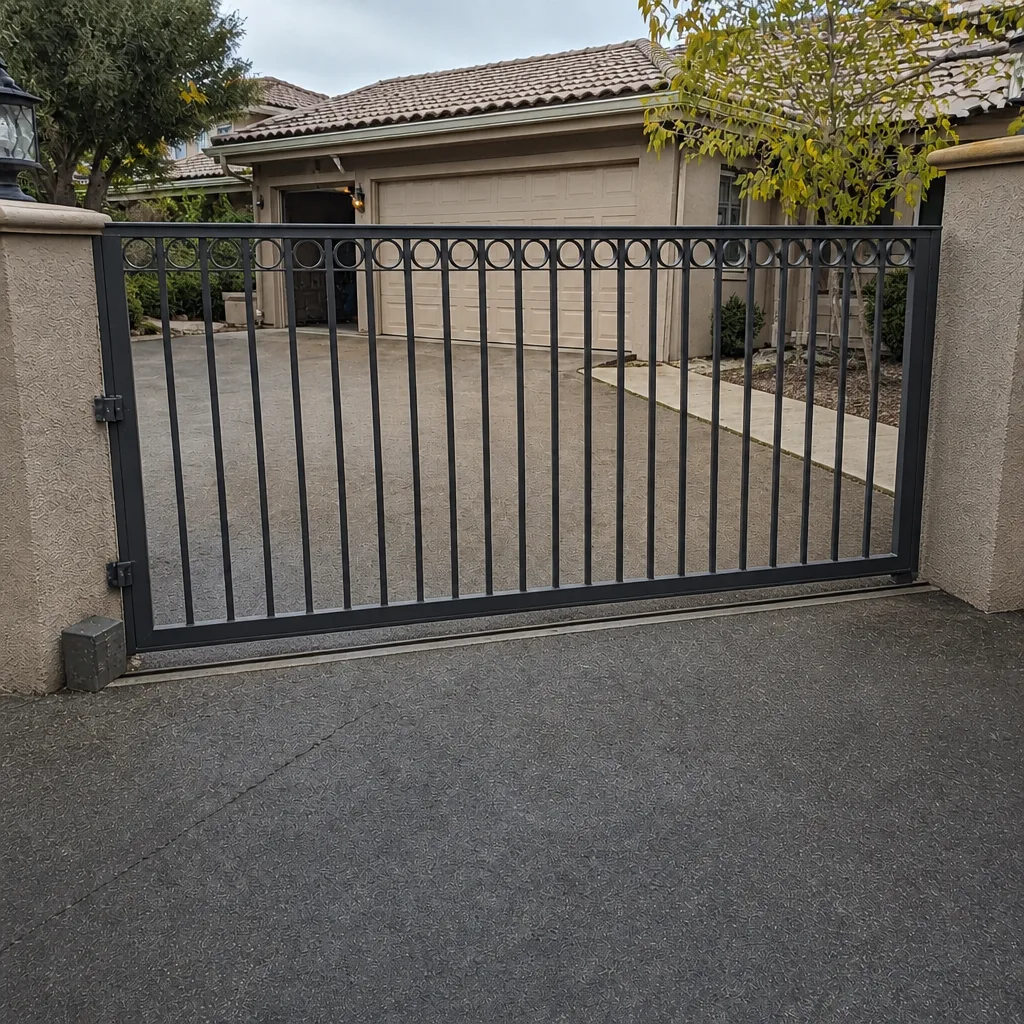
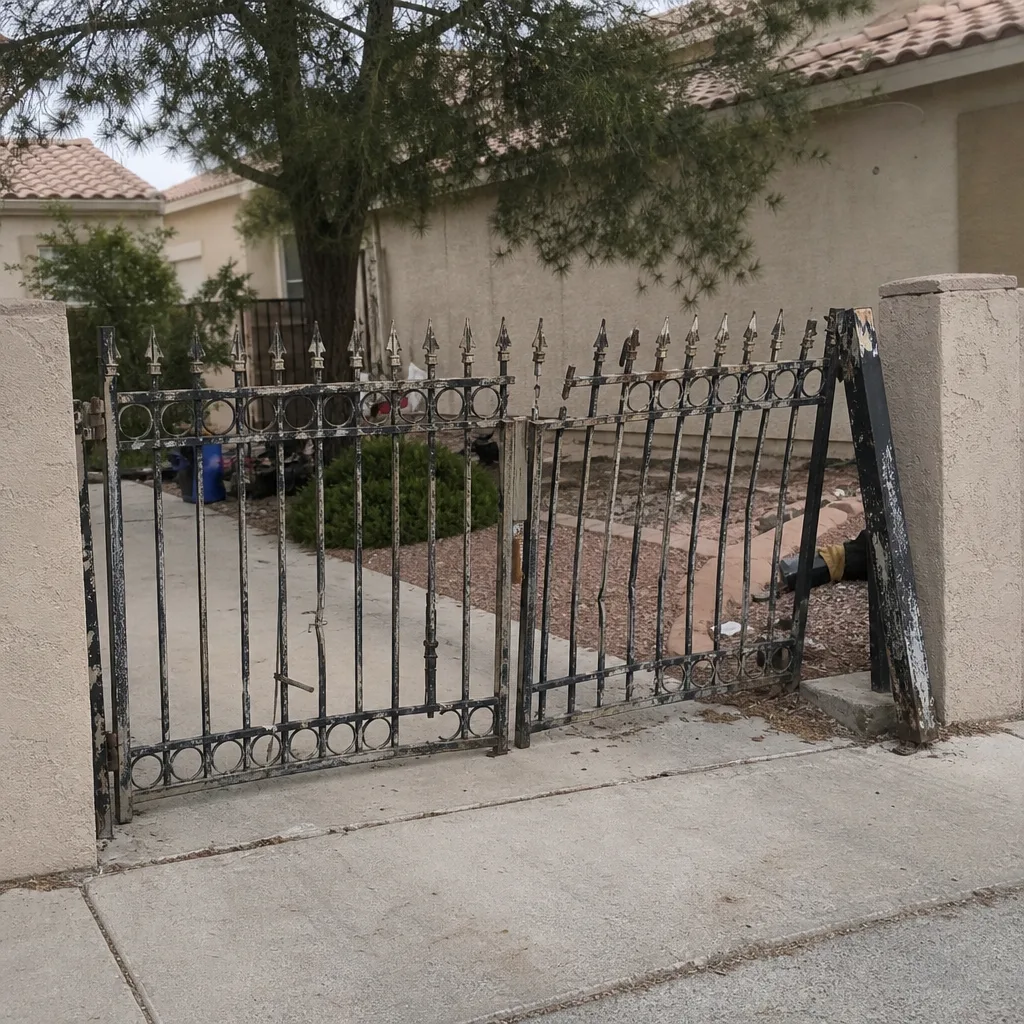
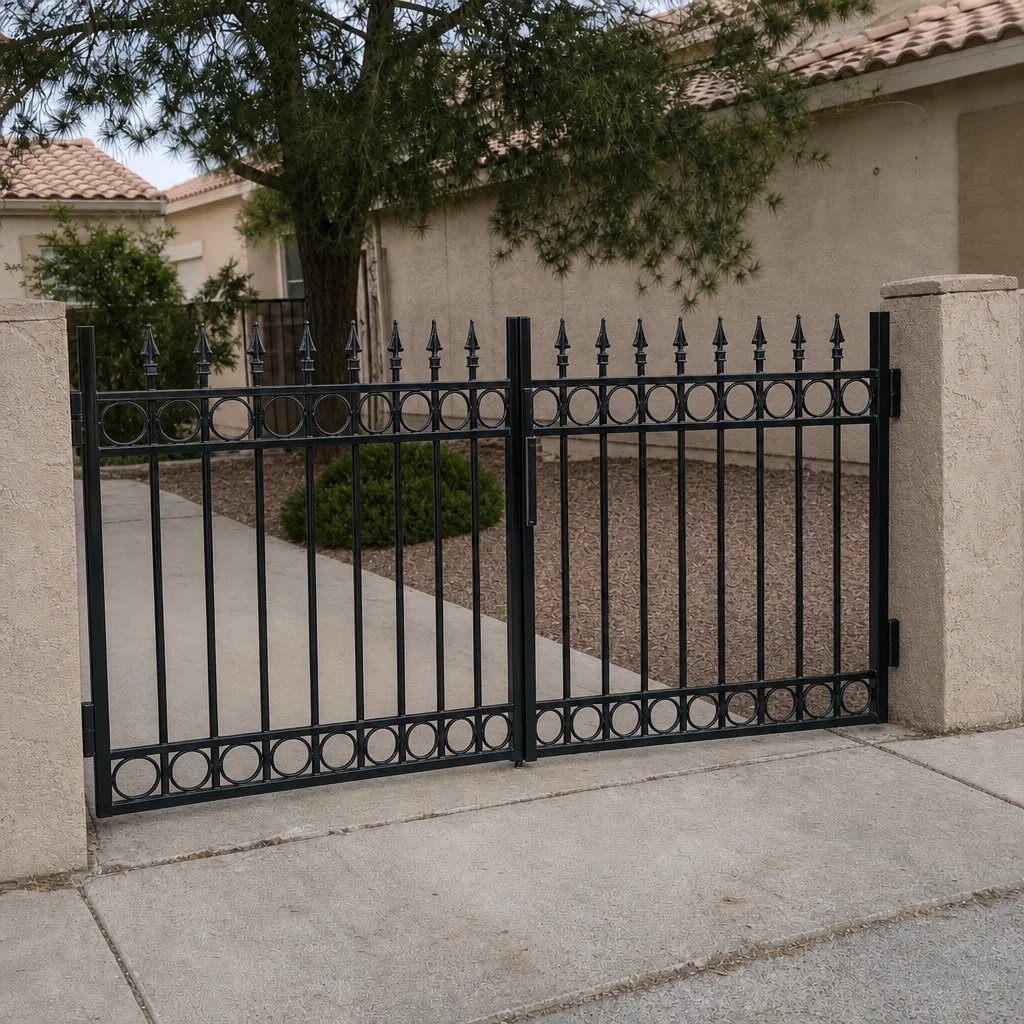
See the difference
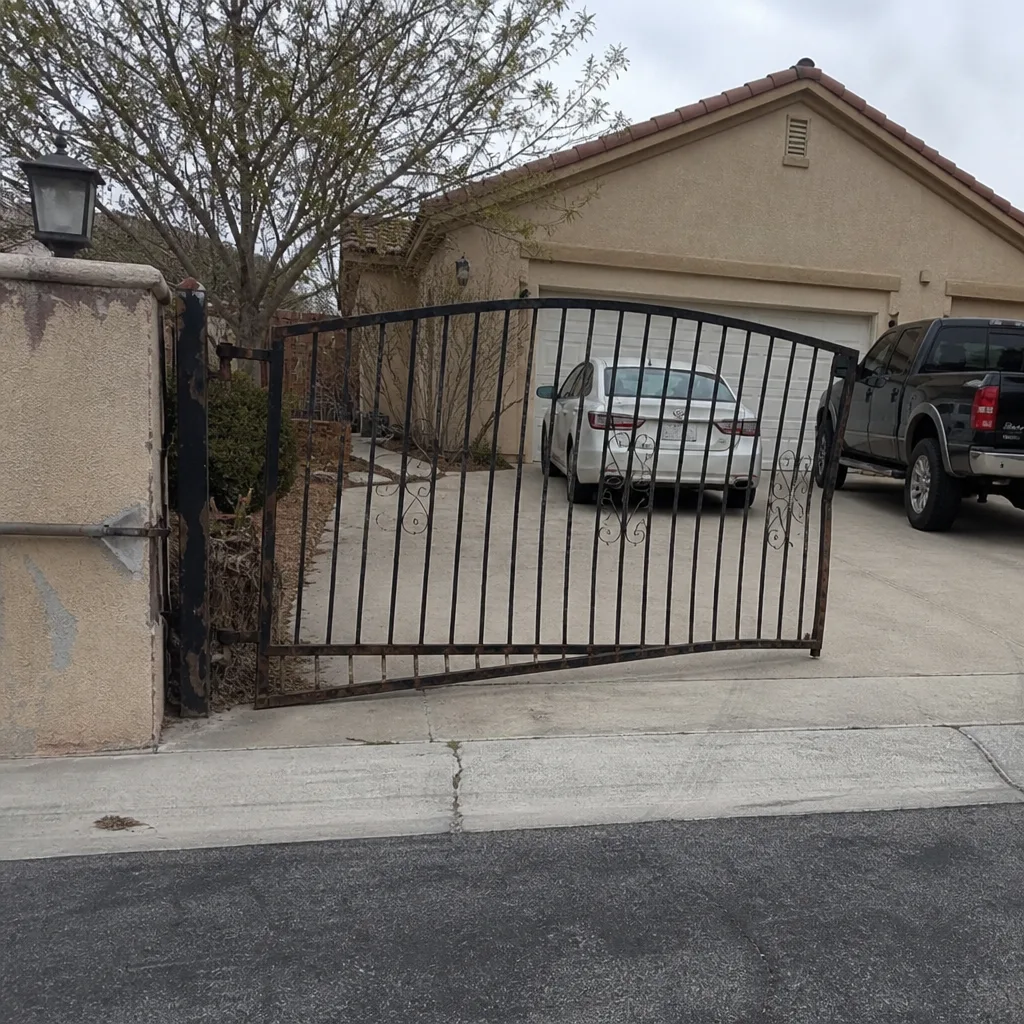 Before
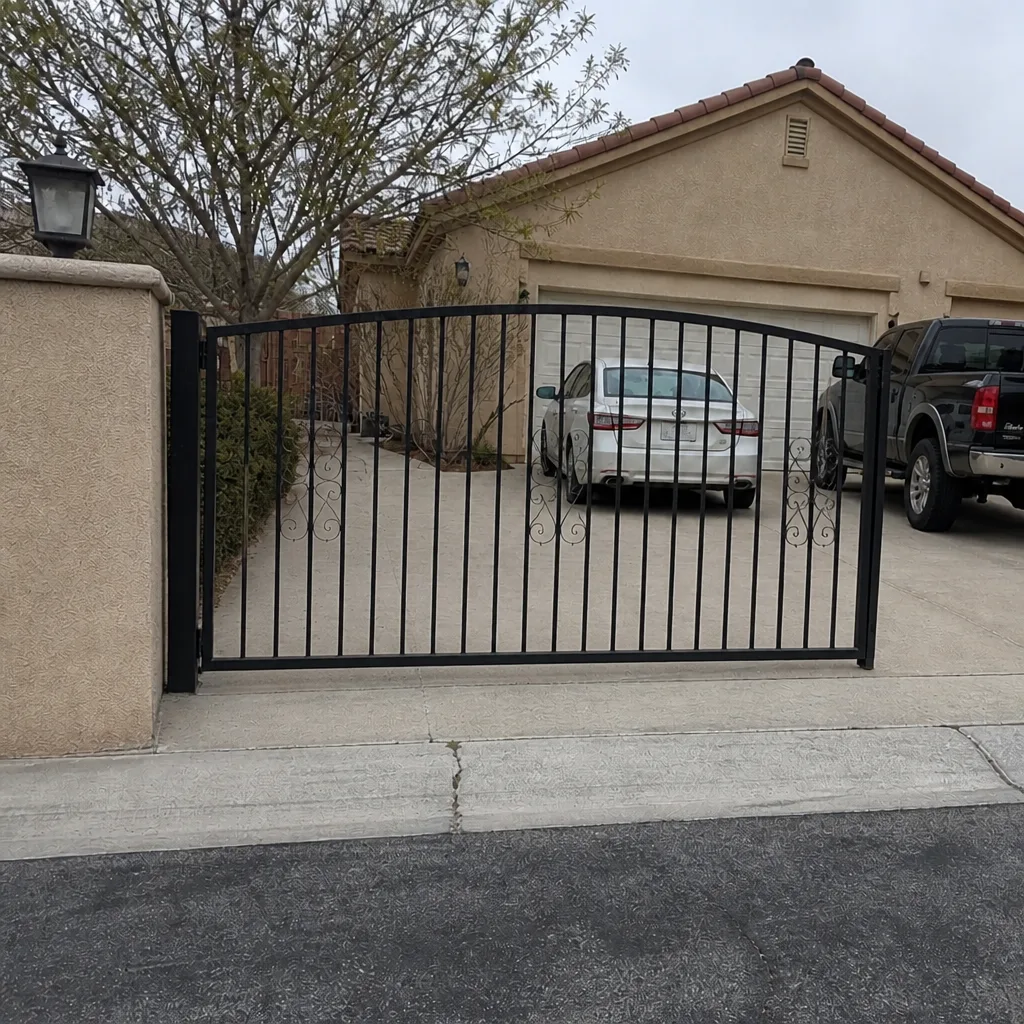 After
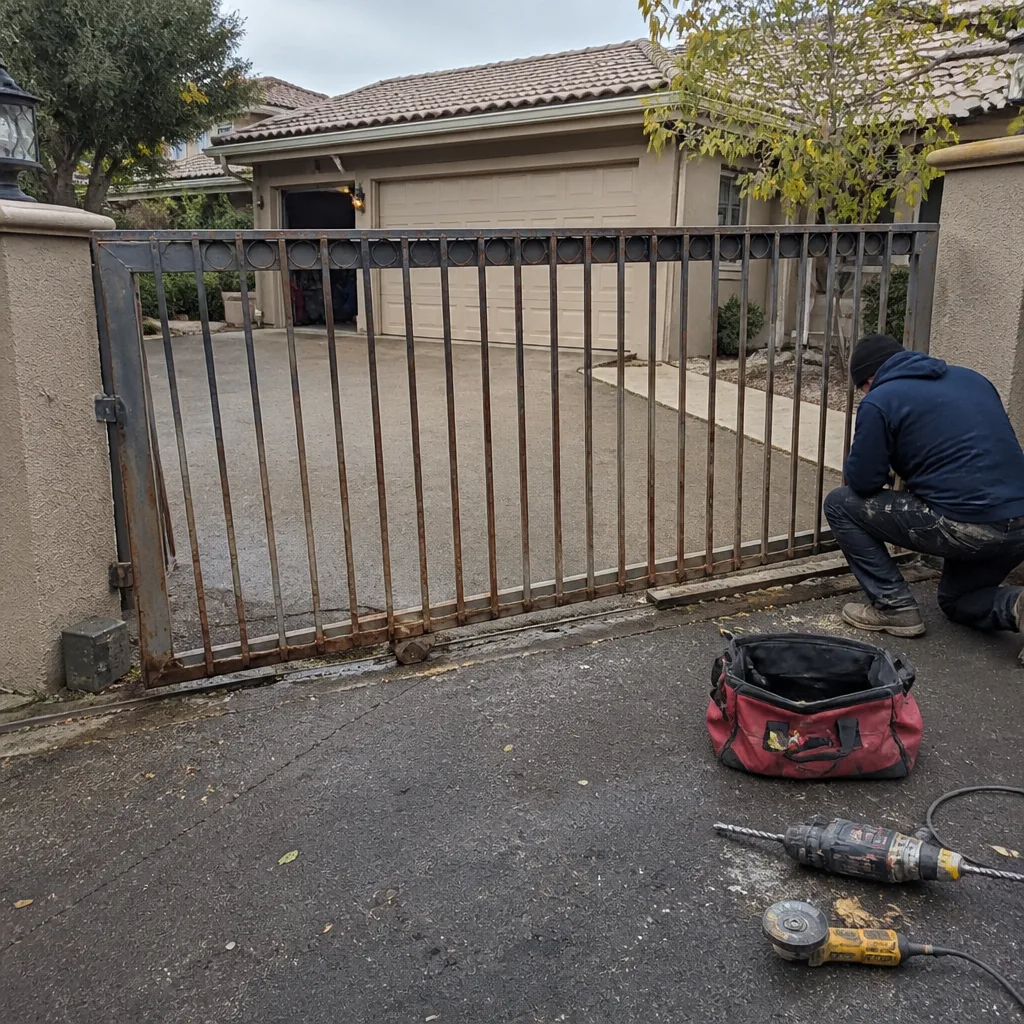 Before
 After
 Before
 After
When to Call a Professional
Some warning signs only need a homeowner’s attention; others are a call. Reach out when the gate reverses partway without an obstacle, when the motor housing is too hot to touch after a single cycle, when the safety beam indicators are dark or blinking, when the gate is grinding at a specific spot, or when a force setting has been changed or overridden. Also call when two or more warning signs appear at once, since that pattern almost always points to a component that’s actively failing.
While the motors and boards themselves are not dangerous, tuning a force setting wrong or bypassing a safety beam creates a genuine hazard on your driveway. Those are jobs for a trained technician, not a weekend project. Ironworks Gate Co. Summerlin offers free estimates in Summerlin. Call (866) 623-9848, and a live person will answer, day or night. Most jobs are completed in a single visit, and every job is backed by our written 90-Day Done Right Promise.
Frequently Asked Questions
Most residential gate openers last 10 to 15 years with regular maintenance, and failing earlier when a mechanical problem has been forcing the motor to work harder than it should. The warning signs in this guide are the ones that determine whether you get the full life out of an opener or lose it early to strain.
No. A cycle that opens fine and struggles to close is one of the most common early signals we see, and it usually points to friction or force calibration rather than a dying motor. In Summerlin, we see it most often during the hottest afternoons, when thermal strain adds to an existing bind. It’s worth a diagnostic before the closing half of the cycle gets worse. Call (866) 623-9848 for a free estimate.
On most brands, a blinking LED on the control board is a fault code, and the number of blinks identifies the specific problem. A blinking safety beam indicator at the base of the gate means the beam path is interrupted or the sensor has failed, and the gate may no longer detect an obstacle. On a LiftMaster operator, translating the blink count is fast; on other brands it depends on the model.
Yes, and the 90-second weekly check in this guide covers most of it: time the cycle, listen during travel, test the remote and keypad, and confirm the safety beam indicators. What you shouldn’t do yourself is adjust the force setting, bypass a sensor, or open the control enclosure on a live system. Those are the items that turn a routine repair into a real hazard.
Twice a year, timed to the seasonal patterns. A spring inspection catches dust infiltration on the hinges and track, and a fall inspection catches battery backup degradation after a hot summer. Our $89 Seasonal Tune-Up covers the full check, and homeowners who keep it on the schedule tend to see fewer emergency calls. Call (866) 623-9848 to book one.
We’re trained and equipped on nine major gate-automation lines, including LiftMaster, DoorKing, Mighty Mule, Elite, Ghost Controls, FAAC, BFT, Linear, and Viking. That breadth matters because each brand reports faults differently, and getting the correct diagnosis on the first visit usually requires knowing the specific fault language of the specific operator. If you’re not sure what you have, we can identify it from the model on the control board.
The Bottom Line
Gate motors don’t usually die suddenly. They slow down, get louder, respond inconsistently, reverse partway, or start cycling hotter than they should, and they do it for weeks before a failure. The five behavioral changes in this guide are the same signals we look for on every Summerlin gate we service. Reading them early is the difference between a small repair and a full replacement, and it’s also the difference between a safe gate and one with an entrapment risk. The 90-second weekly check catches most of them, and a professional seasonal inspection catches the rest. When something feels off, don’t wait for the gate to stop working. Call Ironworks Gate Co. Summerlin at (866) 623-9848 for a free estimate. A live person answers every time, day or night, and every job is backed in writing by the 90-Day Done Right Promise.
For the full range of what we handle on Summerlin driveway and estate gates, visit Ironworks Gate Co. Summerlin home, where our gate repair, installation, motor and opener, and access control services are all laid out in one place.
Written by the team at Ironworks Gate Co. Summerlin.